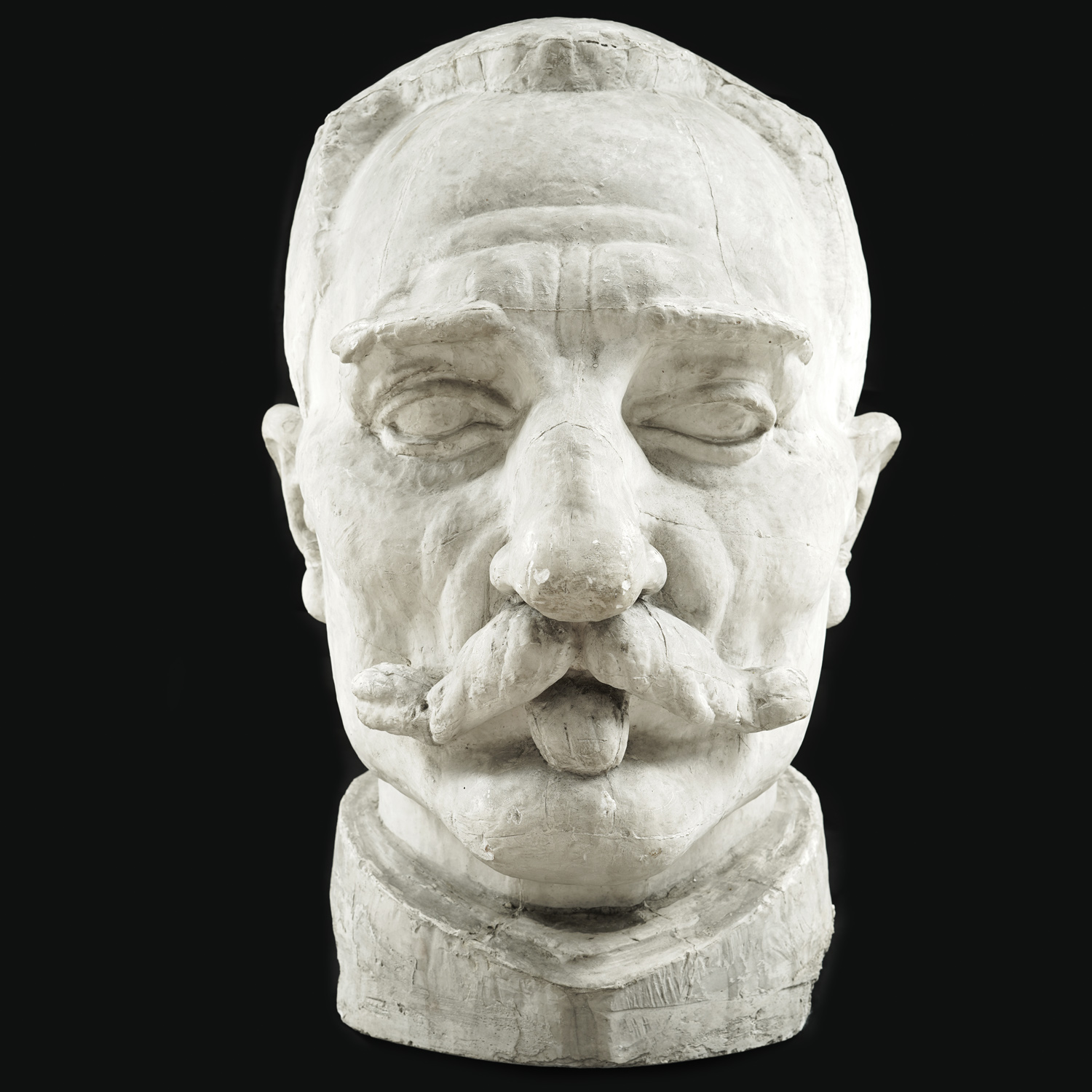
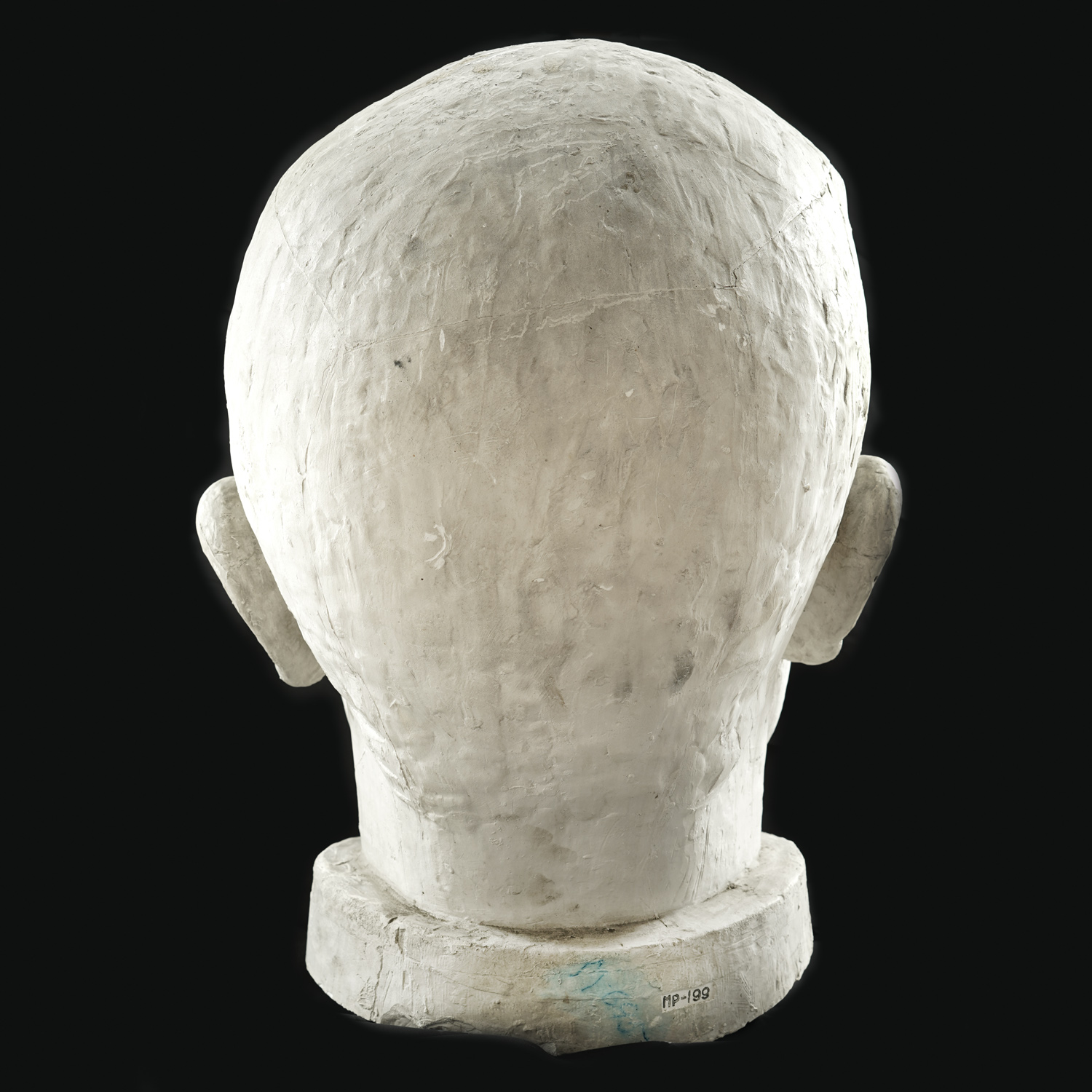
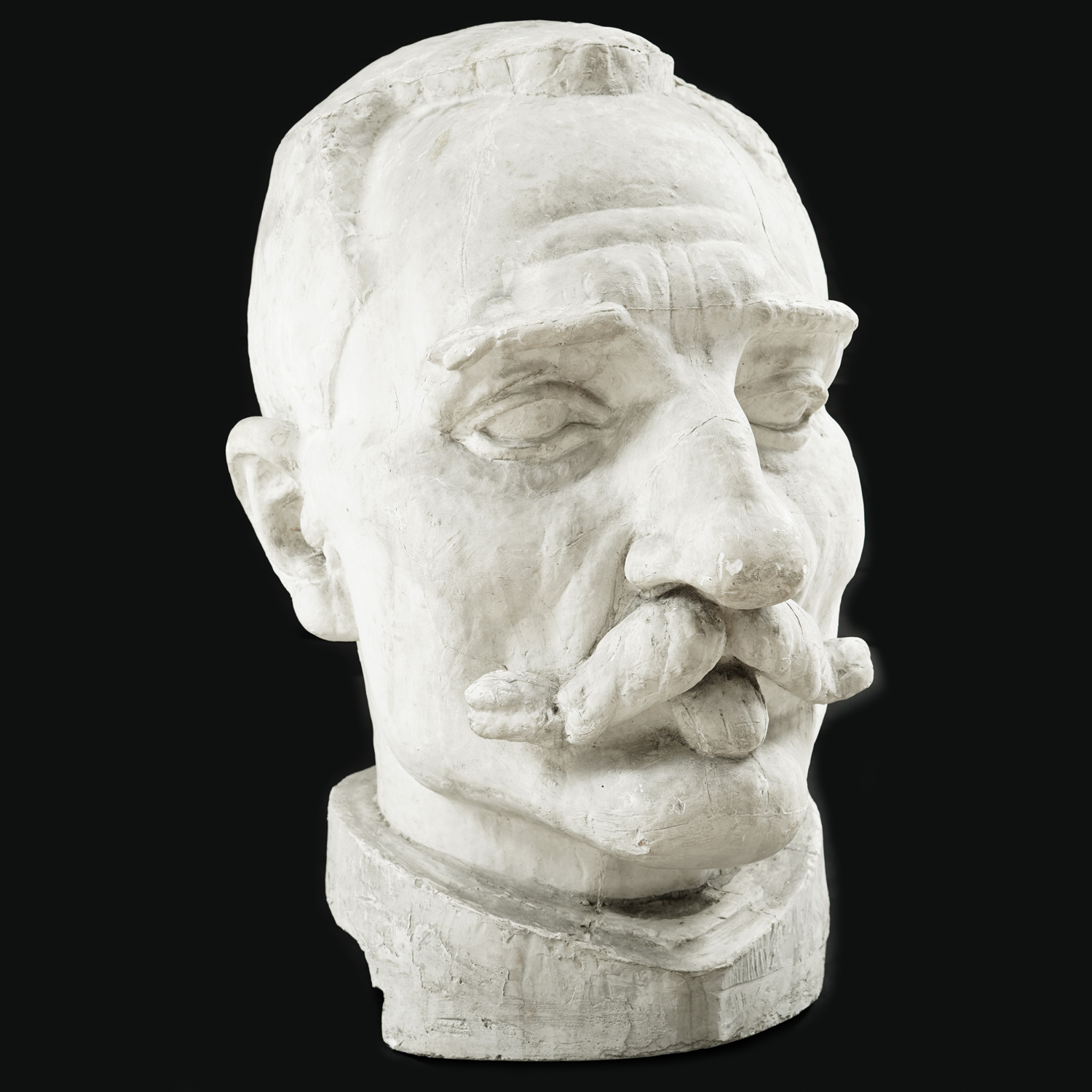
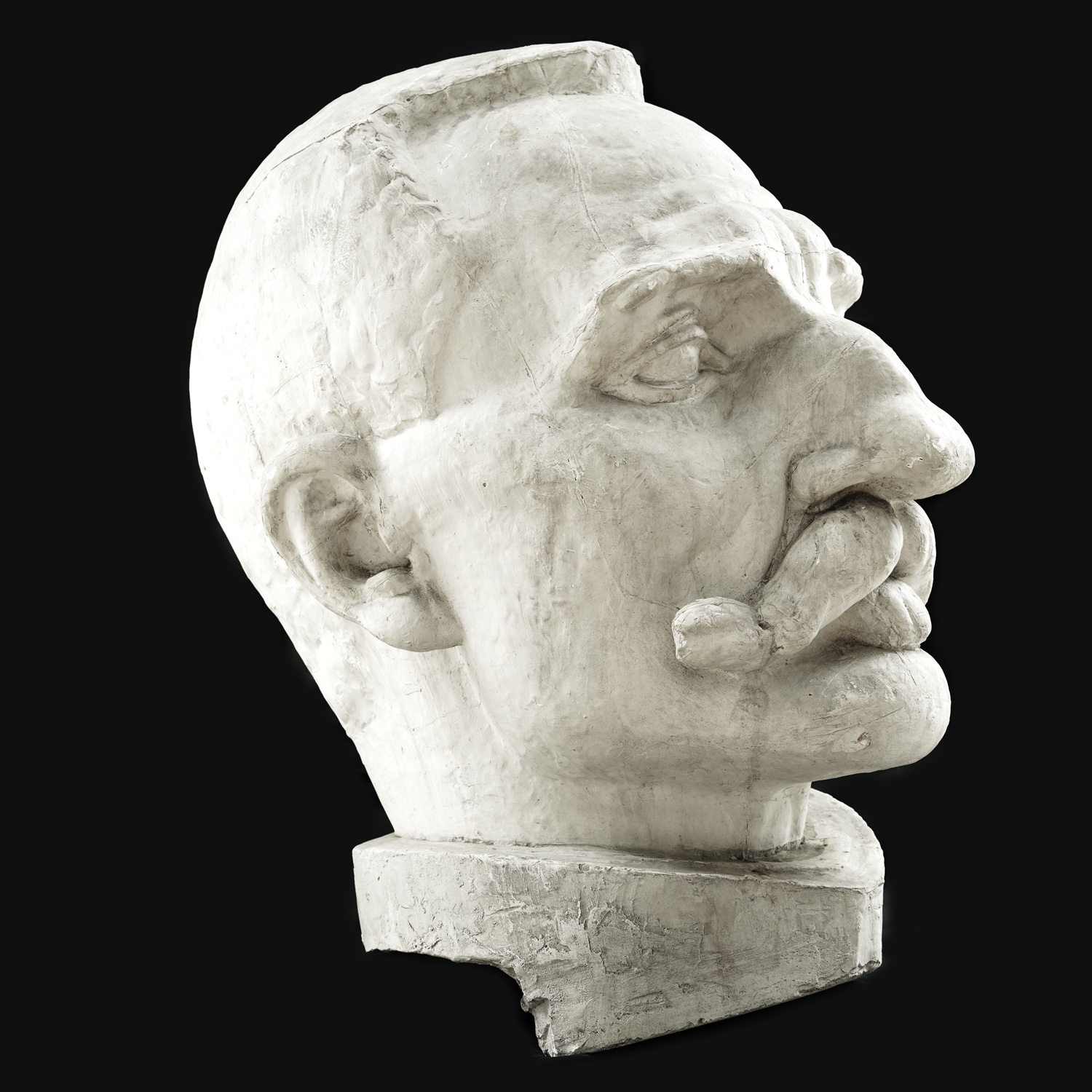
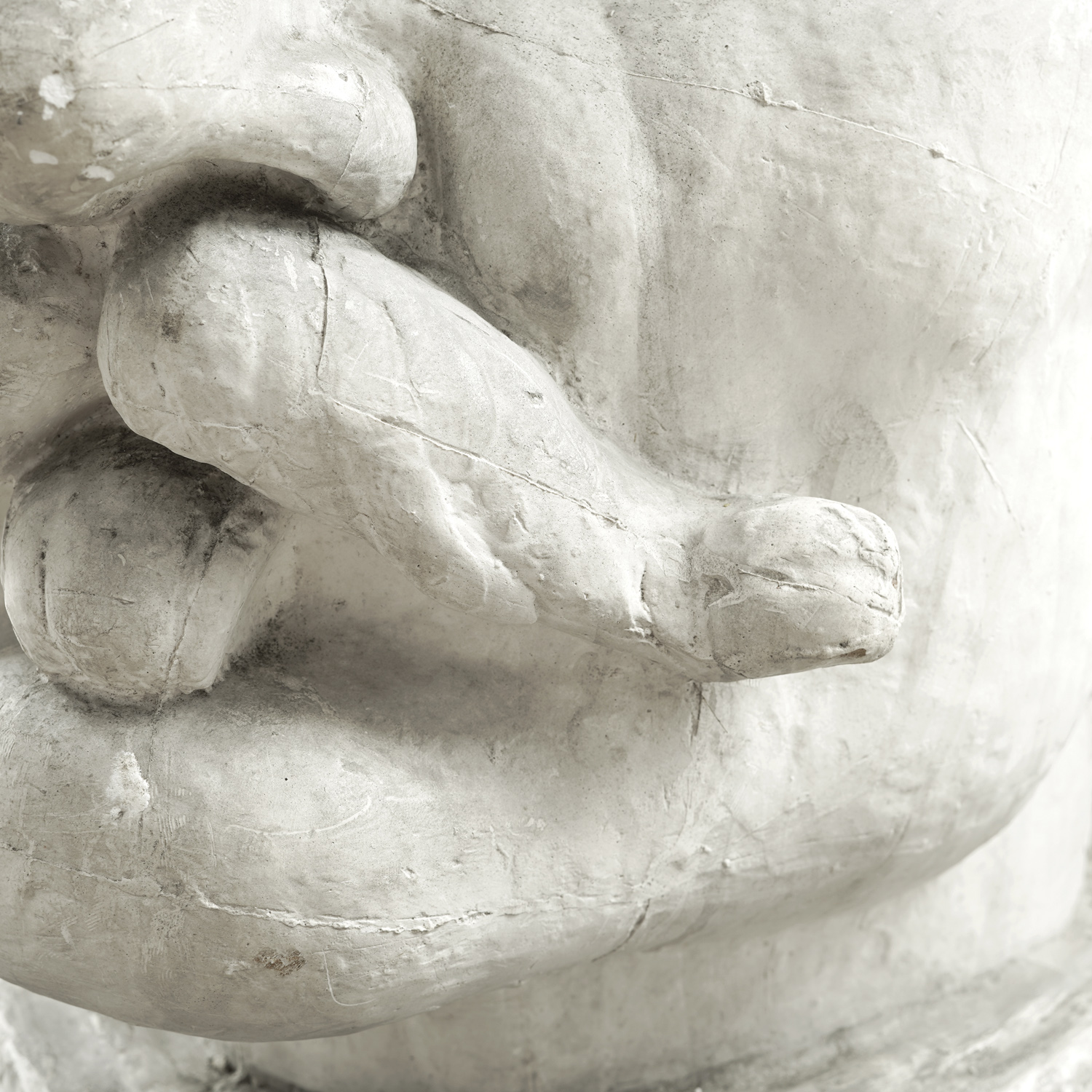
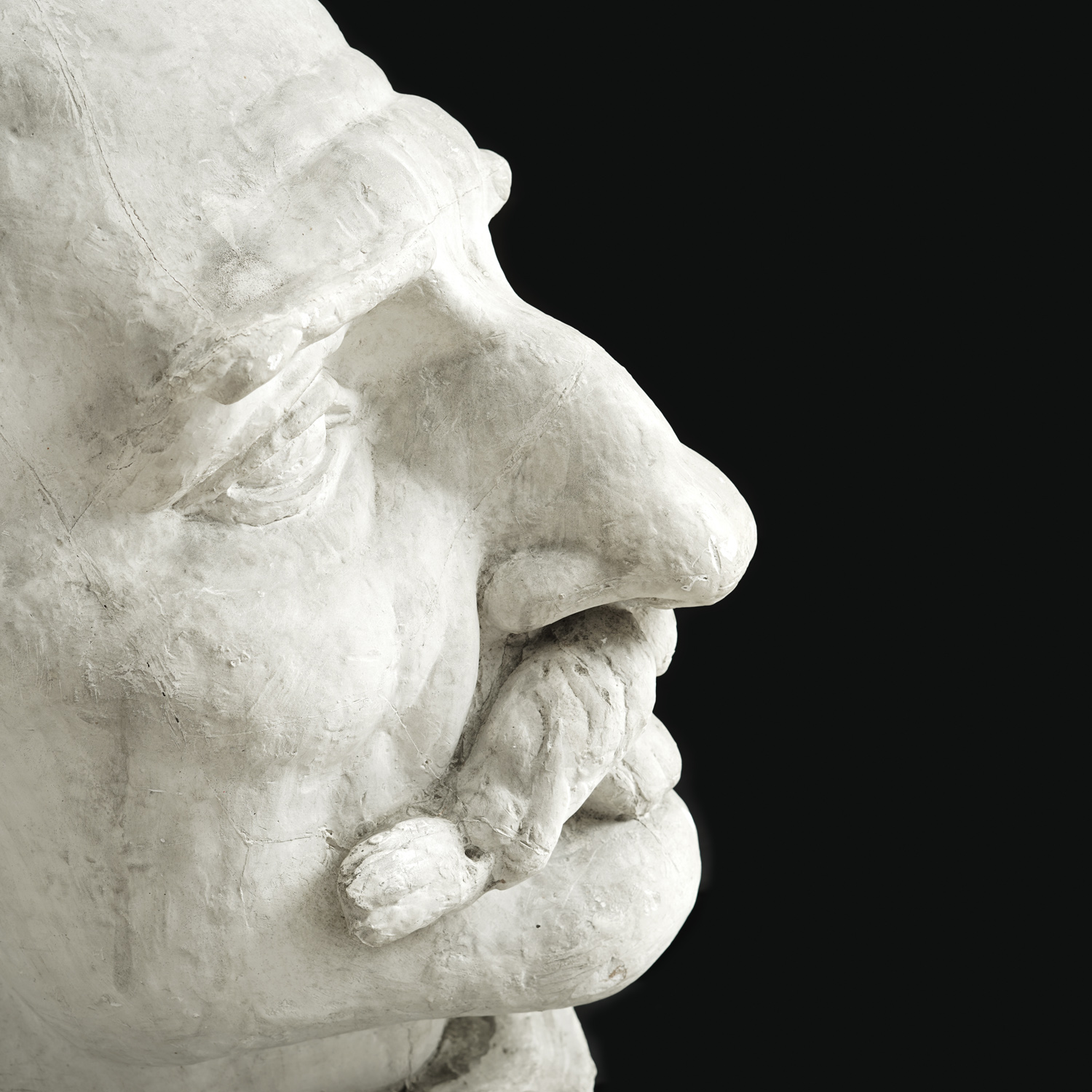
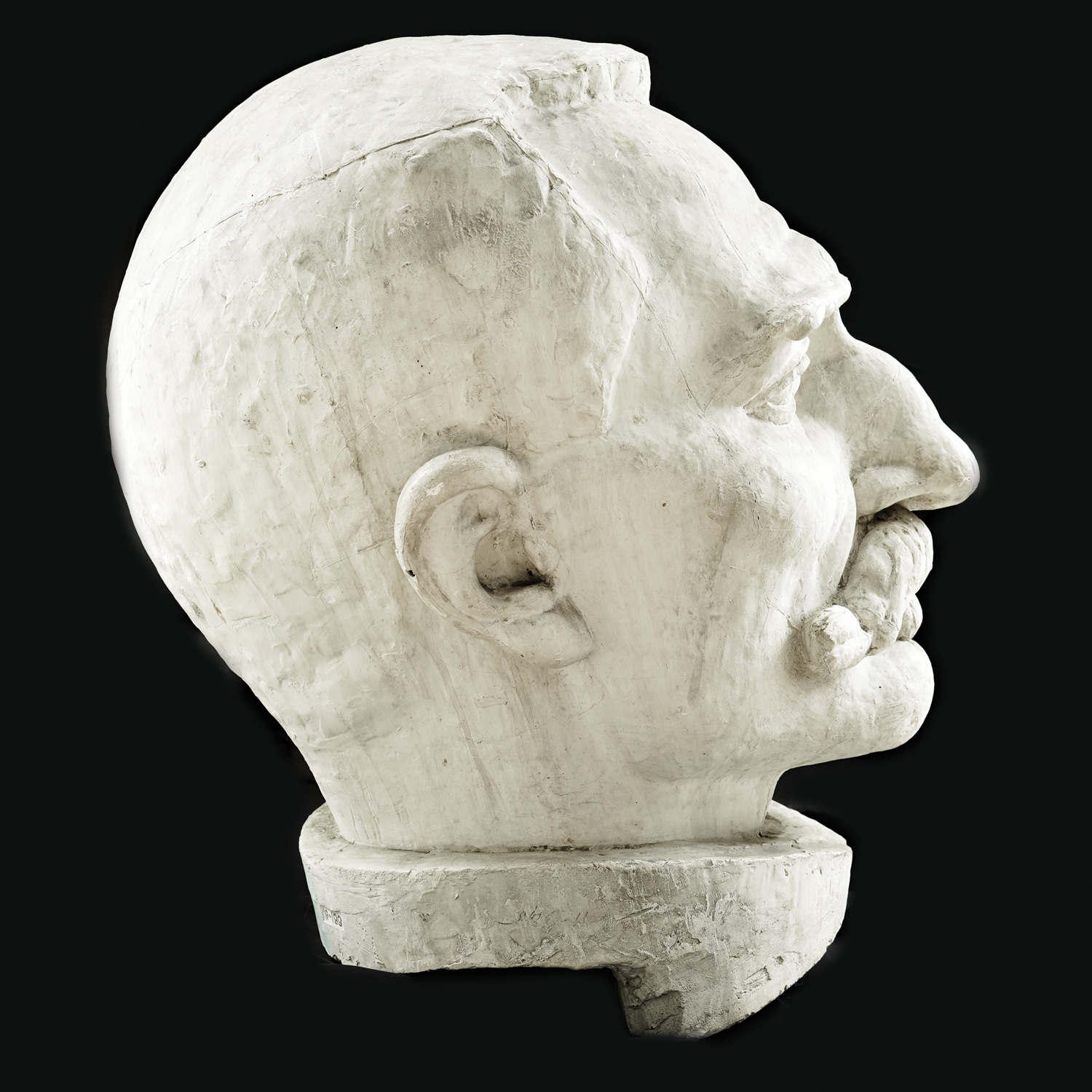
The photos of the lot are informative and indicative, and cannot provide a highly detailed view of the object from all angles. We recommend a careful physical inspection of the lot before bidding.
1883, Vrpolje - 1962, South Bend, Sjedinjene Američke Države
Estimate:
EUR 18.000 - 25.000
Not sold
References
Ivan Meštrović, Memories of Political People and Events, Matica hrvatska, Zagreb, 1993.; Norka Machiedo Mladinić (editor), Friends / Correspondence of Ivan Meštrović with Ivo Tartaglia from 1905 to 1947, Literary Circle, Split, 2015.
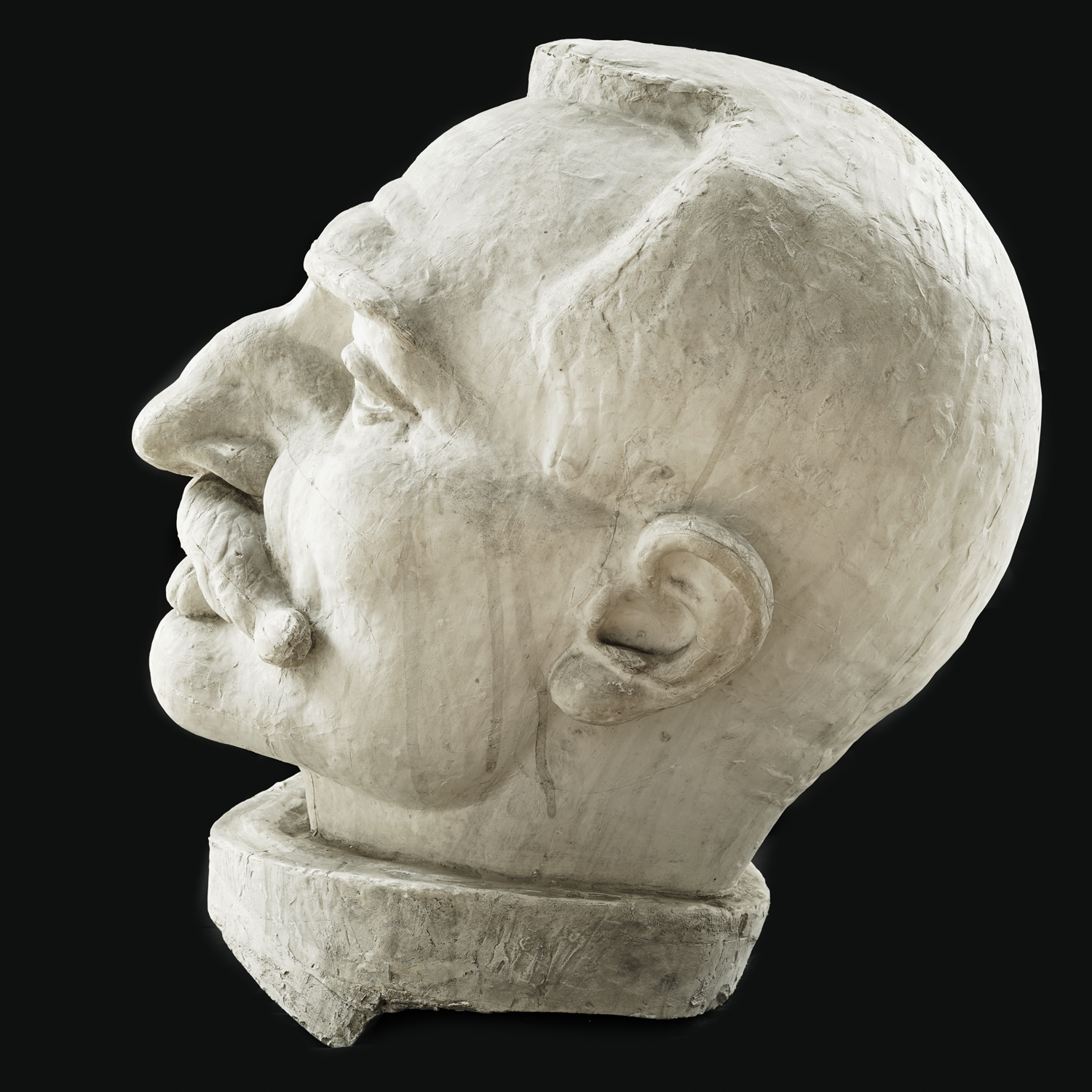
plantation, 69 x 47 cm
PROVENANCE
from 1962 - artist's collection; 1962-2006 - historical collection of Meštrović's successors; from 2006 - important collection of Stjepan Meštrović, one of the successors of Ivan Meštrović.
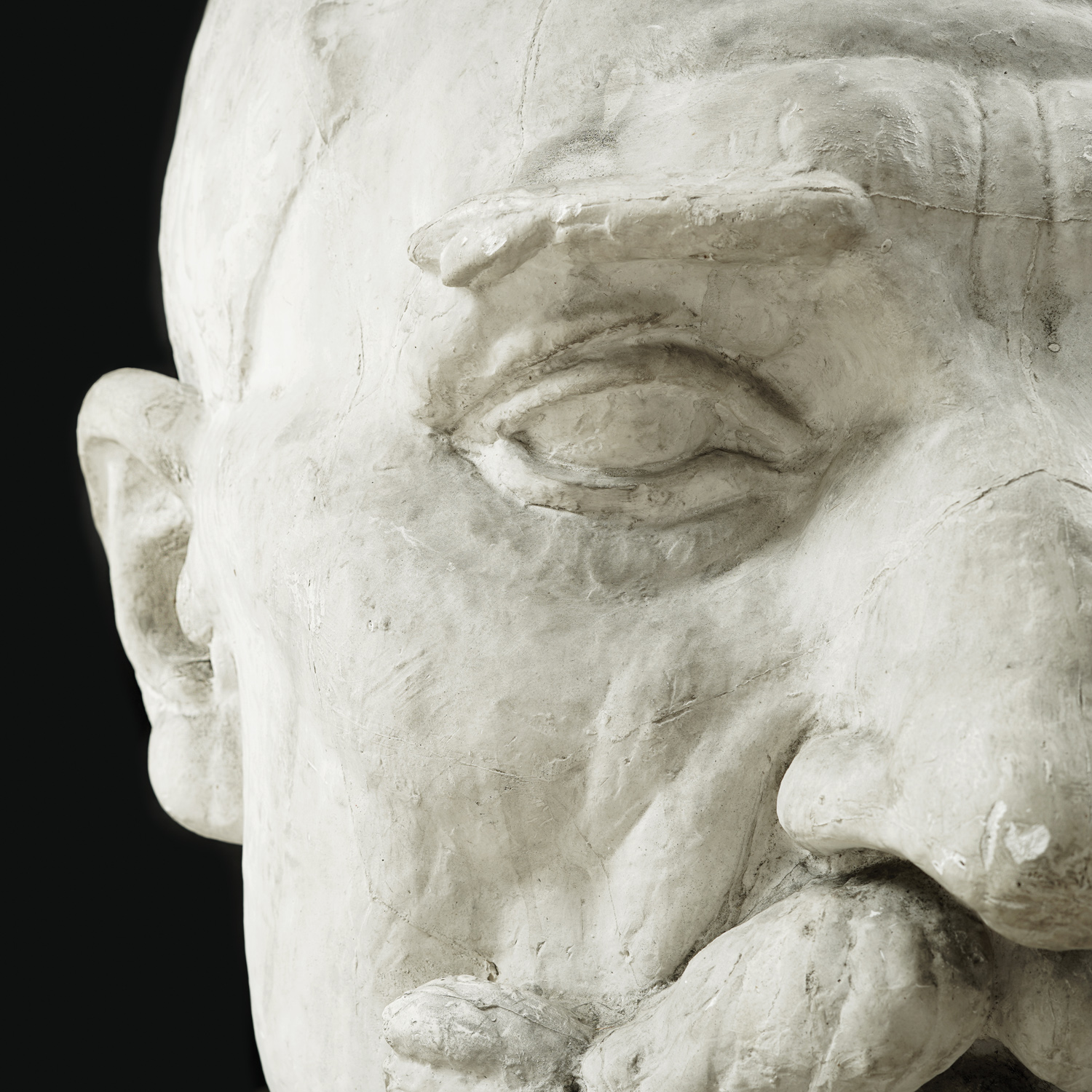
About this Meštrović sculpture, specifically about the head of the King "Peter I the Liberator", very little can be found in professional periodicals, catalogues of his numerous exhibitions or in the memoir literature of the sculptor Ivan Meštrović himself. It would be right to say that it is completely unknown and that - judging by the archival material available so far - it is being presented to the public for the first time at this Artmark exhibition and auction. It should be immediately added that its authorship and provenance are unquestionable, as it comes from the sculptor's legacy, or ownership of Stjepan Meštrović, the sculptor's grandson who lives in the US and who, by a decision of the Municipal Civil Court in Zagreb on the dissolution of the co-ownership community over part of the sculptures which Ivan Meštrović bequeathed to his heirs - became a sole owner of this head of the King Peter I Karađorđević. From published autobiographical notes and correspondence of the sculptor with prominent members of the Croatian political and cultural milieu*, it is known that from 1911 until the 30s of the last century Ivan Meštrović was a readily seen artist and guest at the Karađorđević court in Belgrade. In 1911, on the orders of this royal house, he created sculptures for the Kosovo Cycle and Prince Marko Cycle with which he participated very successfully that same year at the International Exhibition in Rome. In 1913, in Belgrade, he created fragments of the Vidovdan Temple and started to work on the monumental sculpture of the Winner for the Monument of Freedom at Kalemegdan (installed only in 1928). Following the end of the Great War and the collapse of Austria-Hungary, Meštrović became an ardent advocate of the "Triune State", or Kingdom of Slovenes, Croats, and Serbs, settled in Zagreb and in 1922 became a professor at the Zagreb Academy of Fine Arts. He regularly exhibited in Belgrade and, it is worth noting, that in 1923 he modeled in plaster the draft for the relief of King "Peter I". This relief has recently been placed in the Museum of Yugoslavia in Belgrade and from the published photograph we see that it is a equestrian composition with the king looking to the right. Whether this is a model based on which Meštrović, a year later, upon the order of the City of Dubrovnik, also created a stone relief of King "Peter I, the Liberator", it is not possible to confirm for sure. Namely, due to financial reasons, the people of Dubrovnik gave up on the free monument equestrian sculpture, and in 1924, they placed the sculptor's stone relief on the wall of the Pile gate, where it was until the beginning of the Second World War. Upon the establishment of the NDH state, Dubrovnik received an order to immediately remove the relief, which was done. Moreover, the next, so-called second Yugoslavia government had, in 1975, built the Meštrović relief into the "Banac" villa and thus hidden it from all views until nowadays. There is another stone relief of King Peter I, which was similarly "walled in" in Zagreb, in the walls of Meštrović's round building which the sculptor designed, intended for the Croatian Association of Visual Artists, and finally opened in 1938 with a large exhibition "Half a Century of Croatian Fine Arts". That relief has been promptly walled up upon the establishment of NDH, since the round building has been allocated by the Ustashas authority as a mosque to the Muslim community. After the war, in Zagreb, there were whispers of the existence of this relief, but nothing was known for sure until the recent earthquake-proof renovation when the relief was discovered under the plaster, briefly shown to the public, but covered up again with a cloth until the restoration and decision about the final placement are made. Finally, the fact that King Alexander Karađorđević has ordered from Meštrović a marble sculpture "History of Croats" depictued as a seated woman with a tablet in her lap, on which the title "History of Croats" is written in Glagolitic, talks about the close ties between Meštrović and the Karađorđević court. Now, having all this in mind, we cannot resist the impression that Meštrović surely received an order from the court in Belgrade or some city of the state at the time, between 1911 and circa 1925, to create a representative equestrian statue of King Peter I, for which this head with raised gaze could be its segment. We have no evidence for such use of this head, but the impression and coincidence of circumstances are inevitably indicating it. It is a shame that none of the organizers of numerous Meštrović retrospectives in Belgrade has ever reached for this almost naturalistic portrait depiction of the king, and he could have because it has been stored for decades in the storage of the Ivan Meštrović Museum in Split, from where the owner, Stjepan Meštrović, took it in 2020 based on the mentioned court decision. BRP
For clarifications regarding the bidding procedure, hammer price costs, guarantee, payment, and collection terms for the winning lot, we recommend carefully reading/re-reading the Bidding Regulations.
For additional information regarding the lot and the auction, please contact the Art Consultants Department.
By choosing "Accept all cookies" you agree to the use of cookies to help us provide you with a better user experience and to analyse website usage. By clicking "Adjust your preferences" you can choose which cookies to allow. Only the essential cookies are necessary for the proper functioning of our website and cannot be refused
Cookie settings
Our website stores four types of cookies. At any time you can choose which cookies you accept and which you refuse. You can read more about what cookies are and what types of cookies we store in our Confidentiality Policy.
are necessary for technical reasons. Without them, this website may not function properly.
are necessary for specific functionality on the website. Without them, some features may be disabled.
allow us to analyse website use and to improve the visitor's experience.
allow us to personalise your experience and to send you relevant content and offers, on this website and other websites.