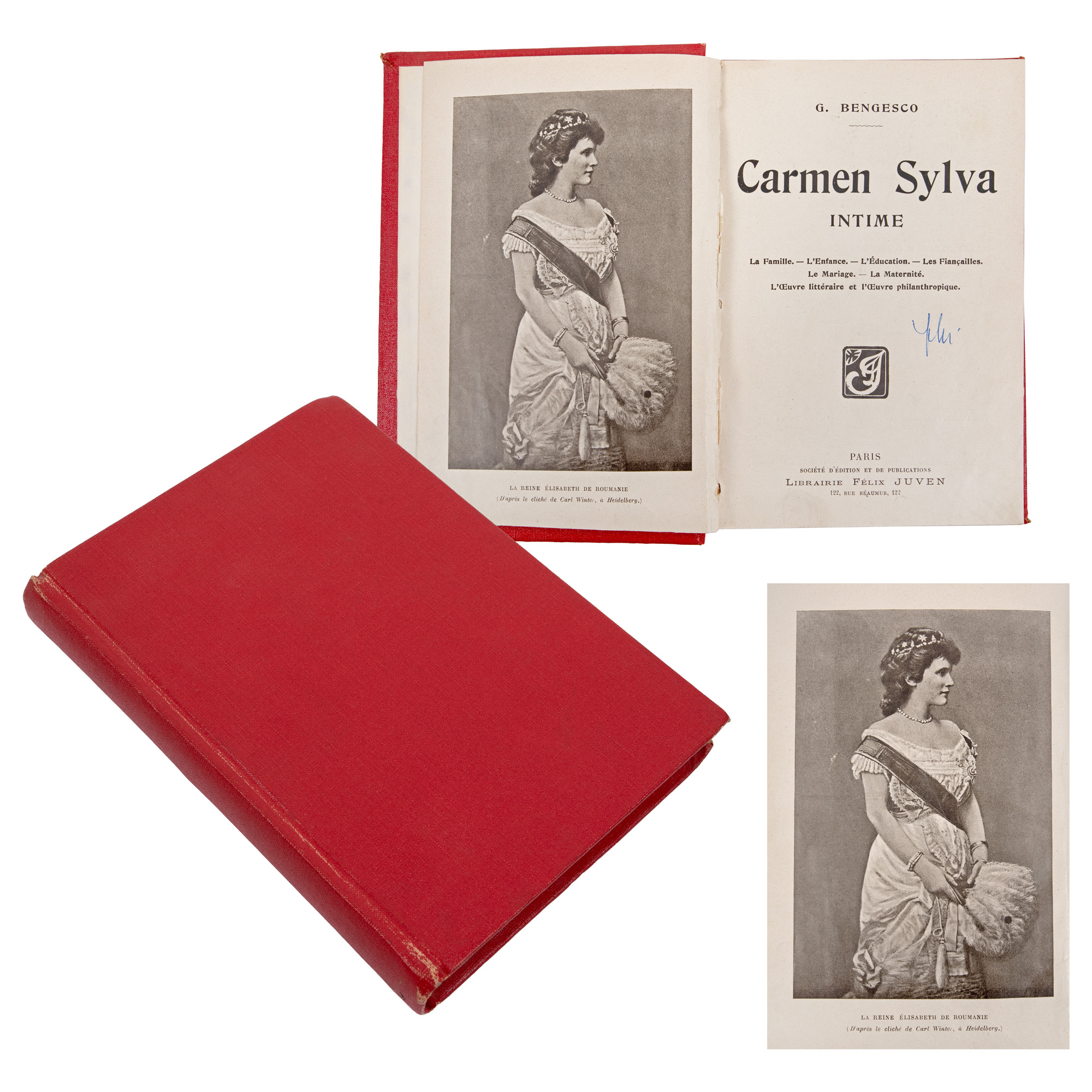
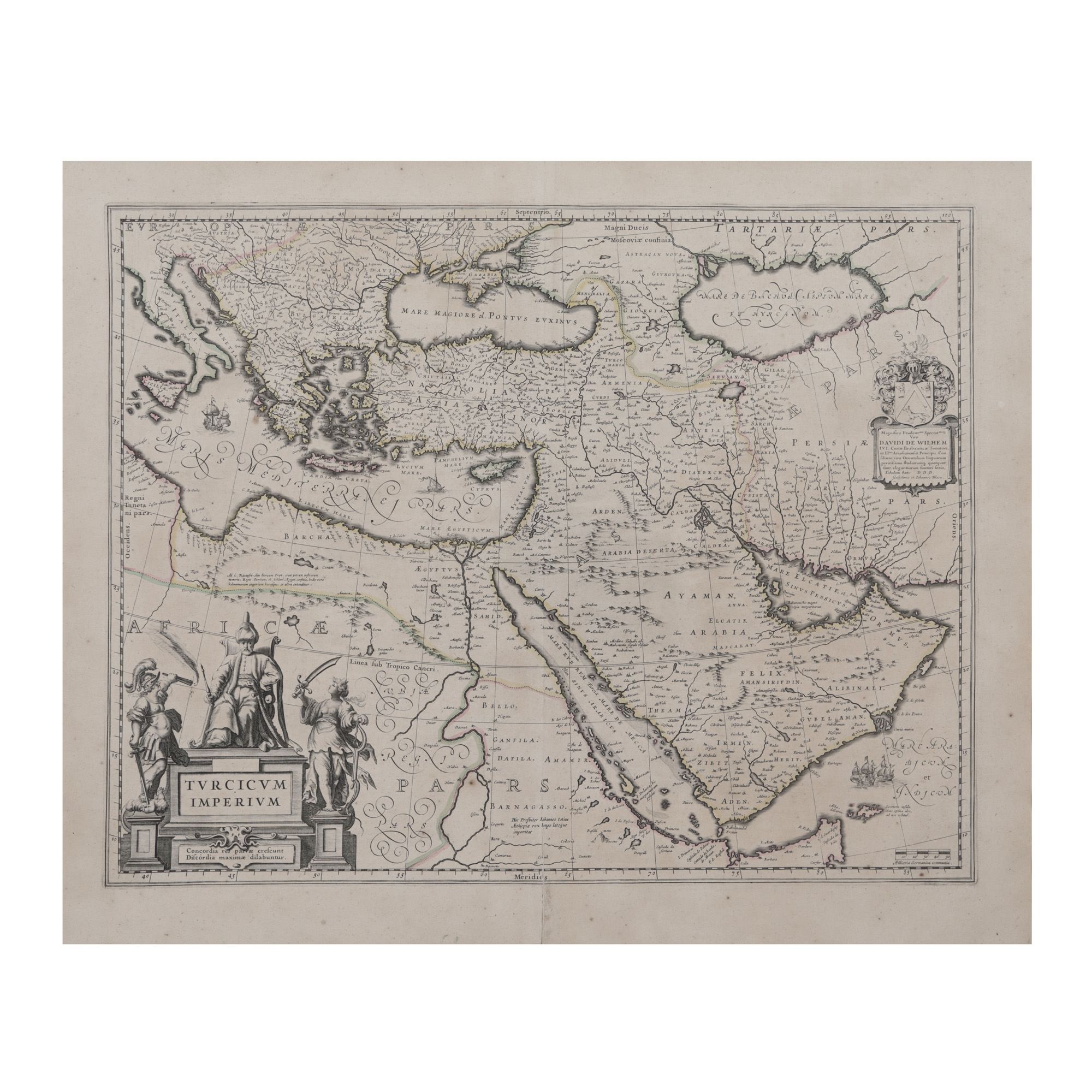
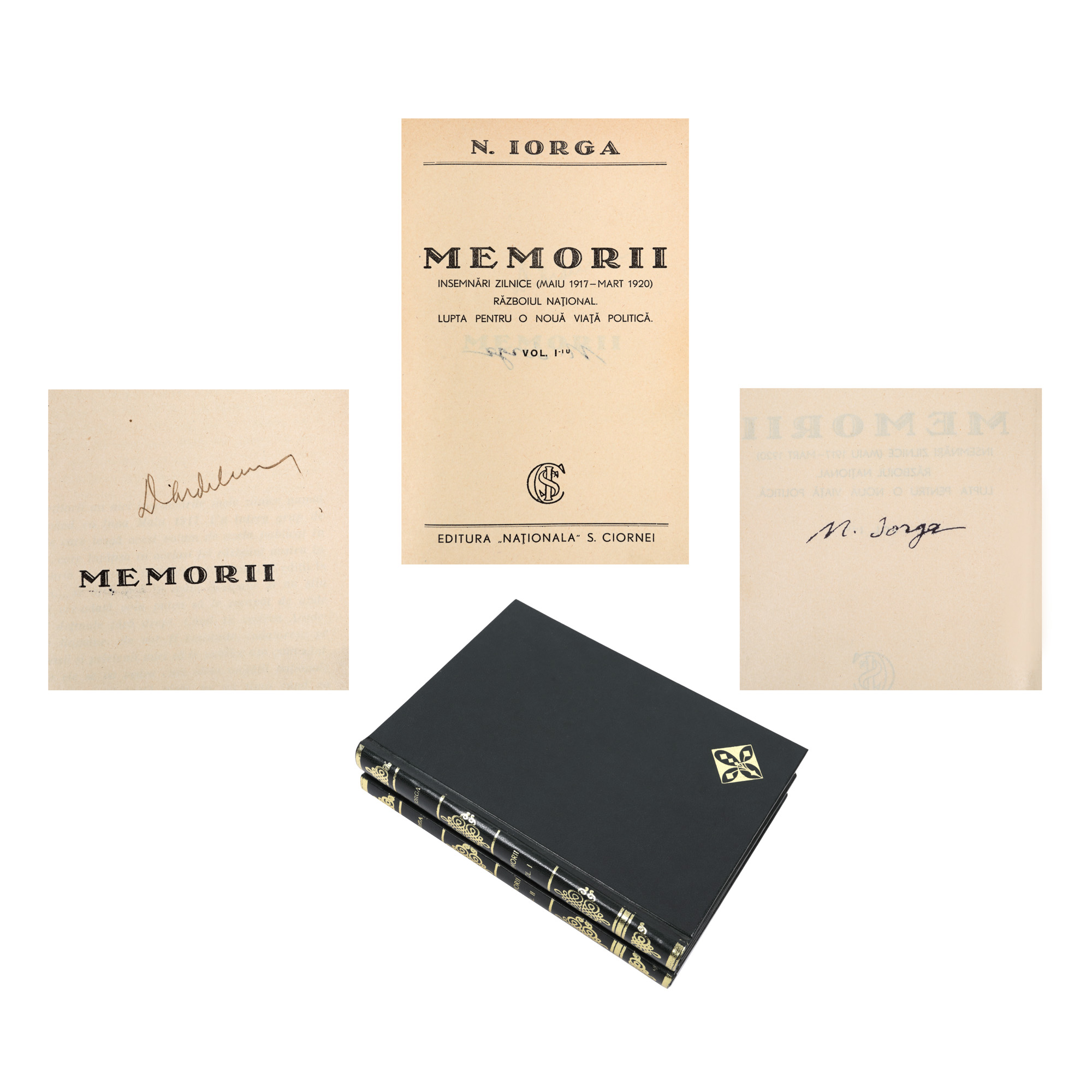
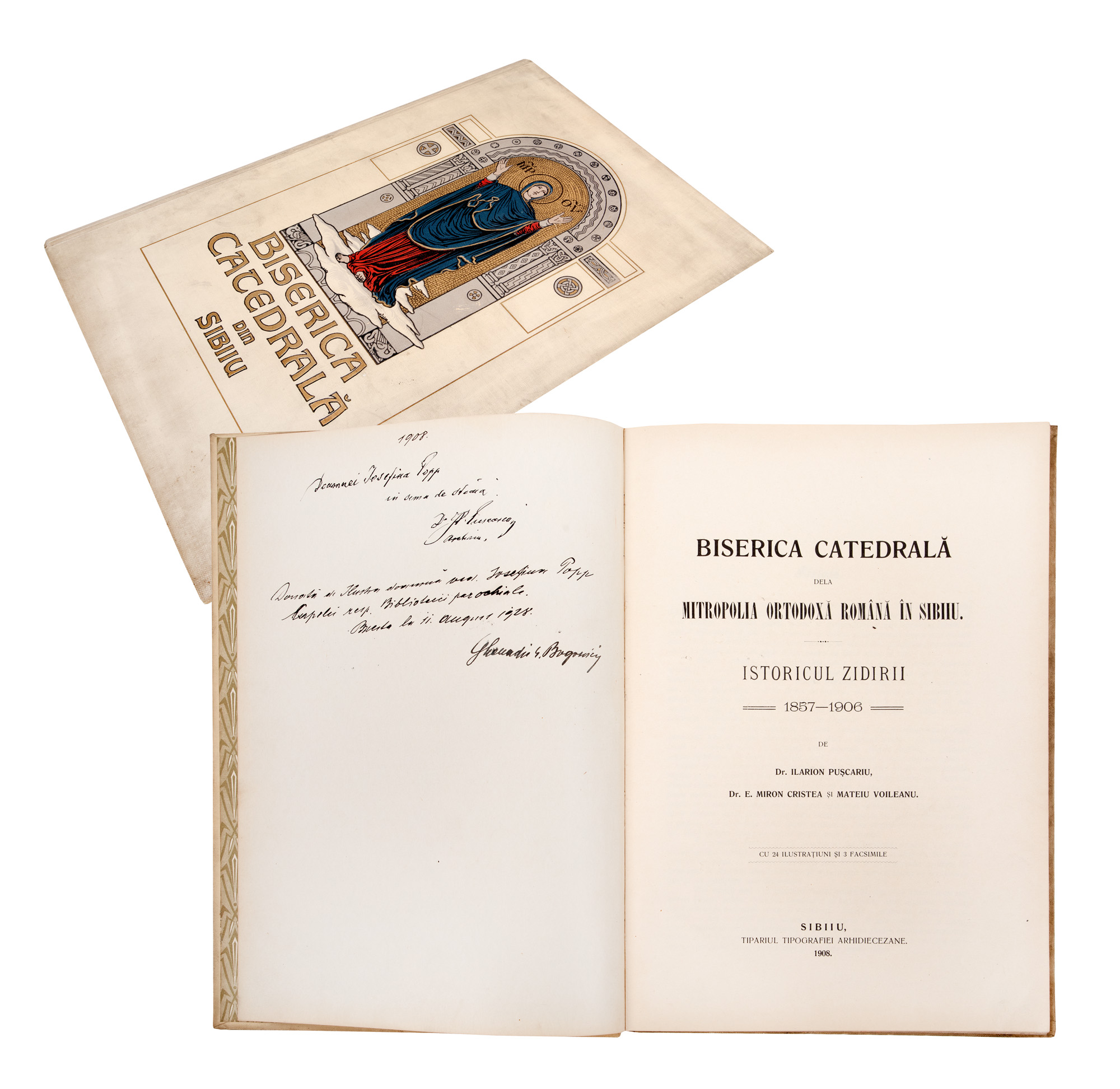
Fotografije parcele su informativne i indikativne te ne mogu pružiti vrlo detaljan prikaz objekta iz svih kutova. Preporučujemo pažljiv fizički pregled parcele prije licitiranja.
Fotografije parcele su informativne i indikativne te ne mogu pružiti vrlo detaljan prikaz objekta iz svih kutova. Preporučujemo pažljiv fizički pregled parcele prije licitiranja.
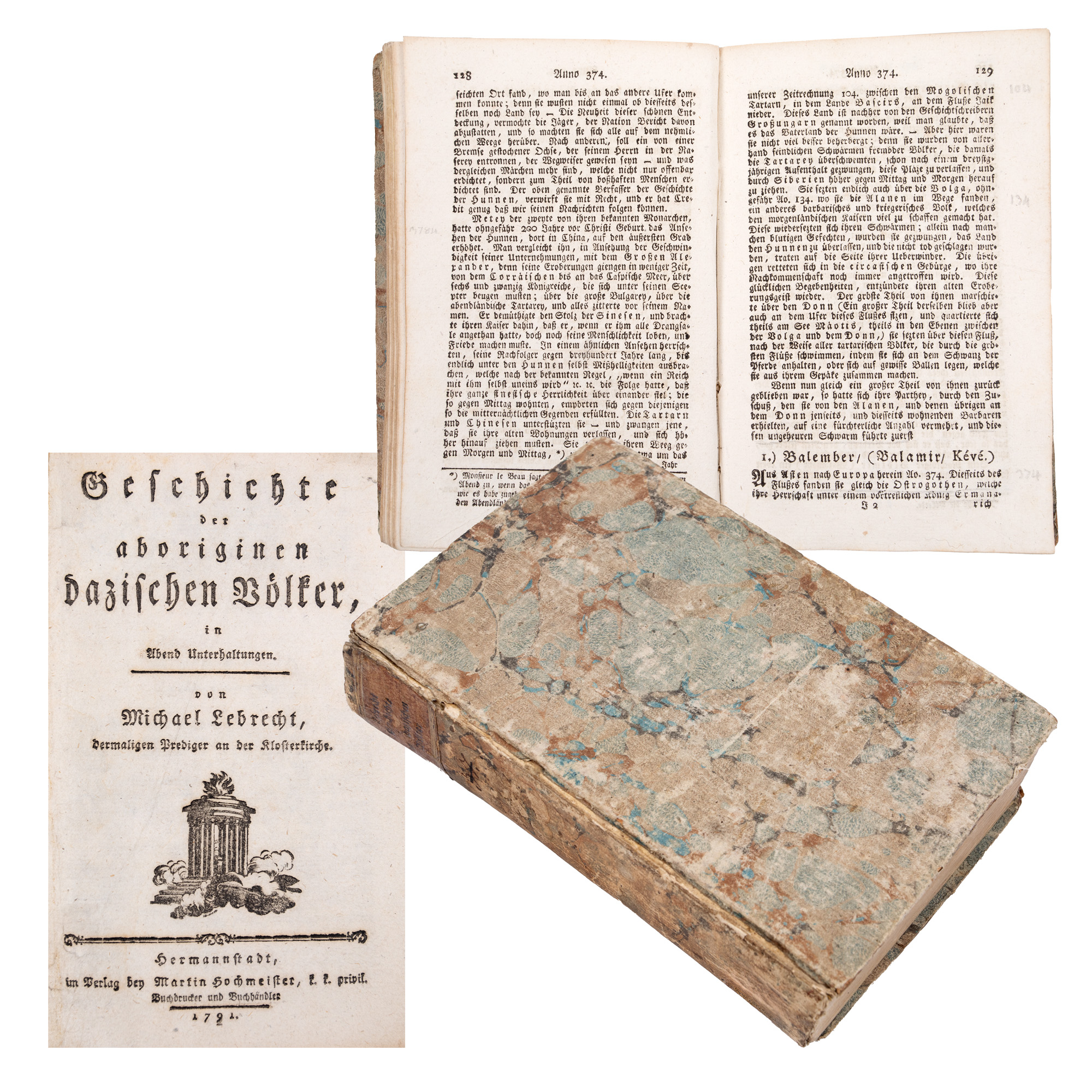
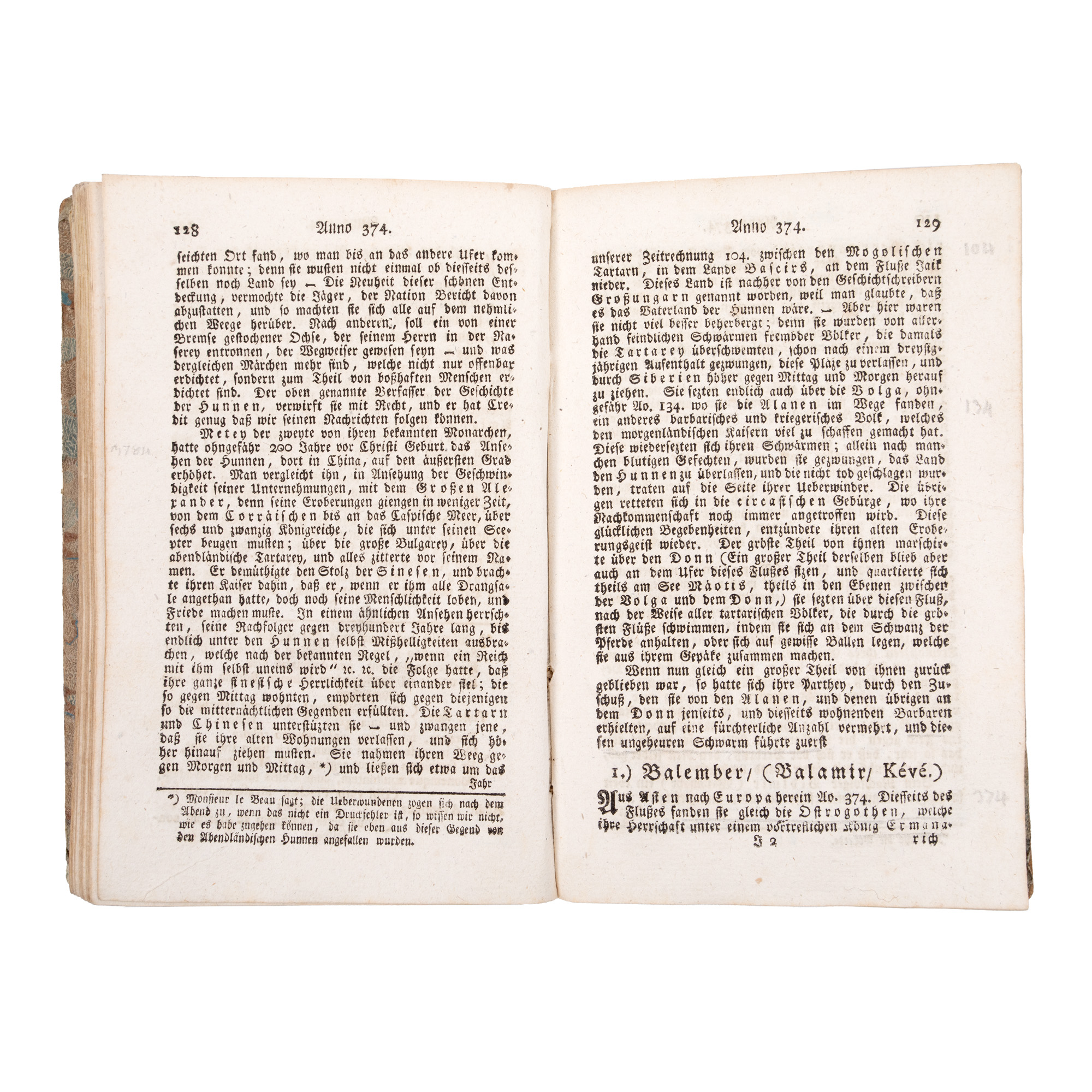
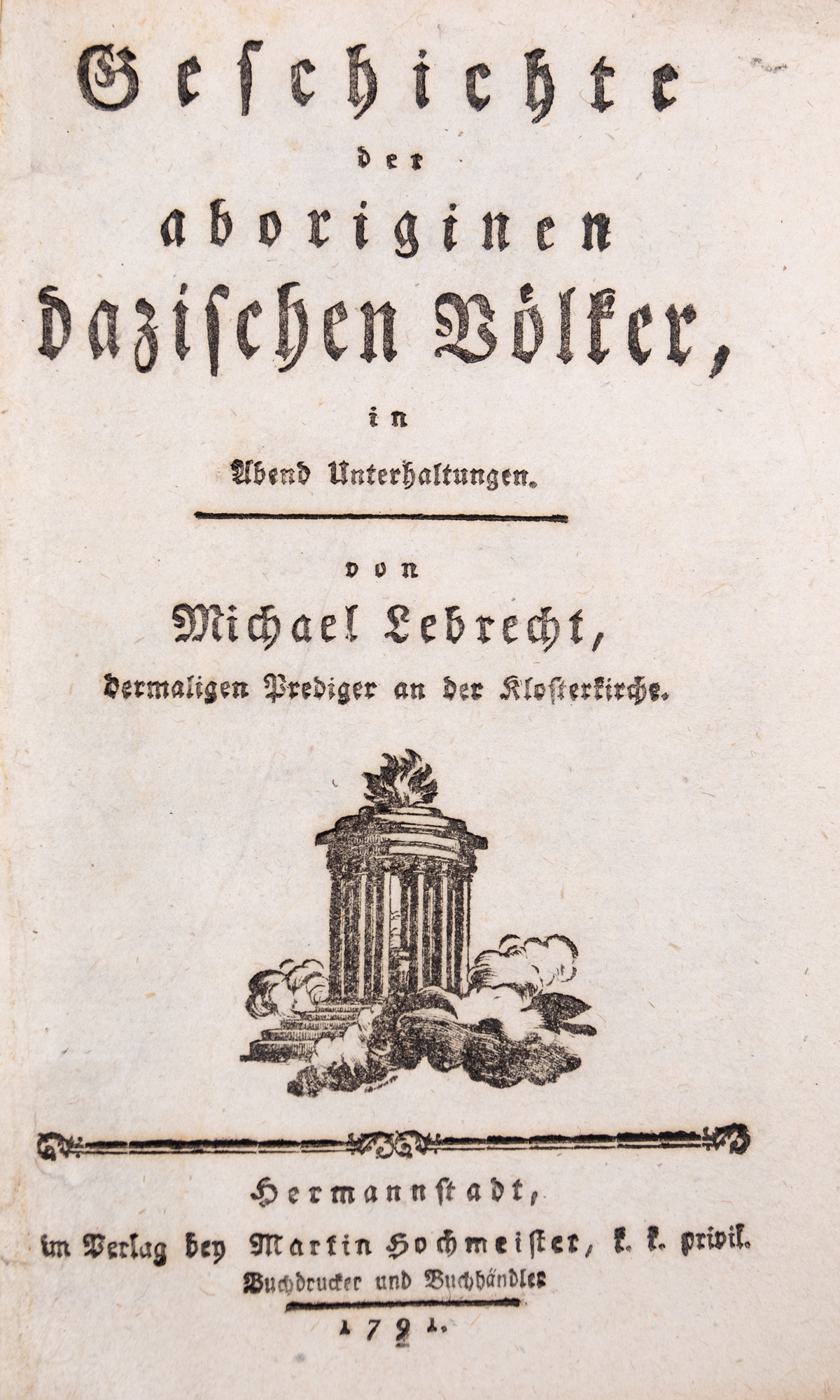
80. "Istoria Popoarelor Dacice Aborigene (Geschichte Der Aborigenen Dazischen Volker)" ("History of Native Dacian Peoples"), by Michael Lebrecht, in German, Sibiu, 1791
Početna cijena
Pretul de pornire si cel estimat nu sunt preturi de vanzare efective
EUR 1.000
Prodano
Pretul de pornire si cel estimat nu sunt preturi de vanzare efective
It is a complete copy, having (5) sheets + 416 pages. The book was printed in
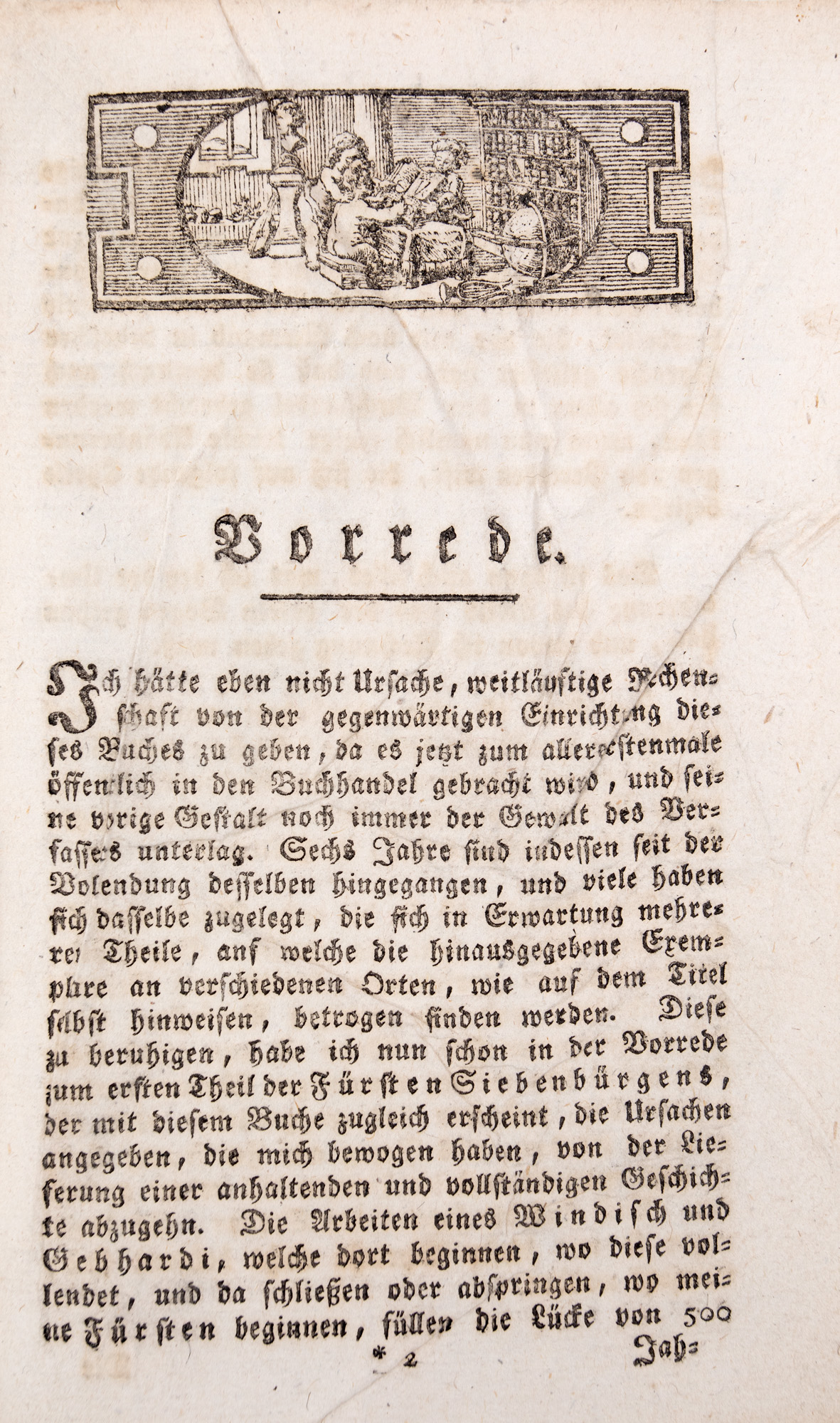
German, at Martin Hochmeister’s printing house in Sibiu. The preface was written in April
1791. The binding of the copy (190 x 125 mm) is the original one, made of cardboard plates wrapped in
marbled grey paper, retaining the old label on the book spine. Michael Lebrecht (1757-1809),a Saxon historian, lived in Transylvania, in the Age of Light,
who, for a while, was an evangelical priest in Șura Mică (Sibiu). Concerned with the past and the realities of
the country’s social, economic, political, and military realities, he wrote and printed several books,
widely appreciated in those times. Die Geschichte von Siebenburgen, Hermannstadt, 1784, Versuch einer Erdbeschreibung des Grossfurstenthums Siebenburgen, Hermannstadt, 1789, Leben Johann Corvins, în „Siebenburrrghische Quartalschrift", I, 1790, Uber den National-Charakter der in Siebenburgen befindlichen Nationen, Wien, 1792, Siebenburgens Fursten. I-II, Hermannstadt, 1791, 1792. The importance of these writings places Michael Lebrecht in the company of the age’s Saxon scholars, such as Filstich, Felmer, Eder, Haner, Seivert, Wolf. We end this brief
presentation emphasizing the fact that Michael Lebrecht was much appreciated by the historians of the Transylvanian School.
It is a historical work on Transylvania’s autochthony, as the author, based on scientific facts,
tackled the past of the inhabitants in this territory from the antiquity until the 10th century, when the
Hungarians arrived. The book contains bountiful data on Romanians, Dacians, and Romans, on the Roman emperors,
from Trajan to Aurelianus (born in Dacia), on the latinity of the Romanian language,
Transylvania’s customs and popular celebrations (likening them to the ancient Floralia), on the origins
of the Romanian nation from emperor Trajan’s colonies. having been published in the Supplex period, this writing
supported, in a way, with historical grounds, the national claims of the Romanians from
Transylvania. It was therefore natural that this writing was searched and used in the writings of
Romanian scholars. Ioan Budai-Deleanu even stated that Lebrecht wrote one of the most
beautiful Saxon pages on the Romanians’ Romanity, and scholar Sava Brancovici from Rășinari
(Sibiu) used Lebrecht’s statements on the Dacian origin when writing the sermon entitled
History of the Romanians from the Country of Transylvania, held in August 1792. In conclusion, this publication,
bibliologically speaking, belongs to the Dacian-Roman realm, it is a particularly significant work
for the historiography of Transylvania.
Dimenzije
width 12.5 cm, height 19 cm
DODATNE INFORMACIJE
Za pojašnjenja u vezi s postupkom licitiranja, troškovima kupnje, uvjetima jamstva, plaćanja i preuzimanja osvojenog lota preporučujemo da pažljivo pročitate/ponovno pročitate Pravilnik o licitiranju.
It is a complete copy, having (5) sheets + 416 pages. The book was printed in
German, at Martin Hochmeister’s printing house in Sibiu. The preface was written in April
1791. The binding of the copy (190 x 125 mm) is the original one, made of cardboard plates wrapped in
marbled grey paper, retaining the old label on the book spine. Michael Lebrecht (1757-1809),a Saxon historian, lived in Transylvania, in the Age of Light,
who, for a while, was an evangelical priest in Șura Mică (Sibiu). Concerned with the past and the realities of
the country’s social, economic, political, and military realities, he wrote and printed several books,
widely appreciated in those times. Die Geschichte von Siebenburgen, Hermannstadt, 1784, Versuch einer Erdbeschreibung des Grossfurstenthums Siebenburgen, Hermannstadt, 1789, Leben Johann Corvins, în „Siebenburrrghische Quartalschrift", I, 1790, Uber den National-Charakter der in Siebenburgen befindlichen Nationen, Wien, 1792, Siebenburgens Fursten. I-II, Hermannstadt, 1791, 1792. The importance of these writings places Michael Lebrecht in the company of the age’s Saxon scholars, such as Filstich, Felmer, Eder, Haner, Seivert, Wolf. We end this brief
presentation emphasizing the fact that Michael Lebrecht was much appreciated by the historians of the Transylvanian School.
It is a historical work on Transylvania’s autochthony, as the author, based on scientific facts,
tackled the past of the inhabitants in this territory from the antiquity until the 10th century, when the
Hungarians arrived. The book contains bountiful data on Romanians, Dacians, and Romans, on the Roman emperors,
from Trajan to Aurelianus (born in Dacia), on the latinity of the Romanian language,
Transylvania’s customs and popular celebrations (likening them to the ancient Floralia), on the origins
of the Romanian nation from emperor Trajan’s colonies. having been published in the Supplex period, this writing
supported, in a way, with historical grounds, the national claims of the Romanians from
Transylvania. It was therefore natural that this writing was searched and used in the writings of
Romanian scholars. Ioan Budai-Deleanu even stated that Lebrecht wrote one of the most
beautiful Saxon pages on the Romanians’ Romanity, and scholar Sava Brancovici from Rășinari
(Sibiu) used Lebrecht’s statements on the Dacian origin when writing the sermon entitled
History of the Romanians from the Country of Transylvania, held in August 1792. In conclusion, this publication,
bibliologically speaking, belongs to the Dacian-Roman realm, it is a particularly significant work
for the historiography of Transylvania.
DODATNE INFORMACIJE
Za pojašnjenja u vezi s postupkom licitiranja, troškovima kupnje, uvjetima jamstva, plaćanja i preuzimanja osvojenog lota preporučujemo da pažljivo pročitate/ponovno pročitate Pravilnik o licitiranju.