
313. Omval Neighbourhood [1645; 17th-18th century run]

The photos of the lot are informative and indicative, and cannot provide a highly detailed view of the object from all angles. We recommend a careful physical inspection of the lot before bidding.

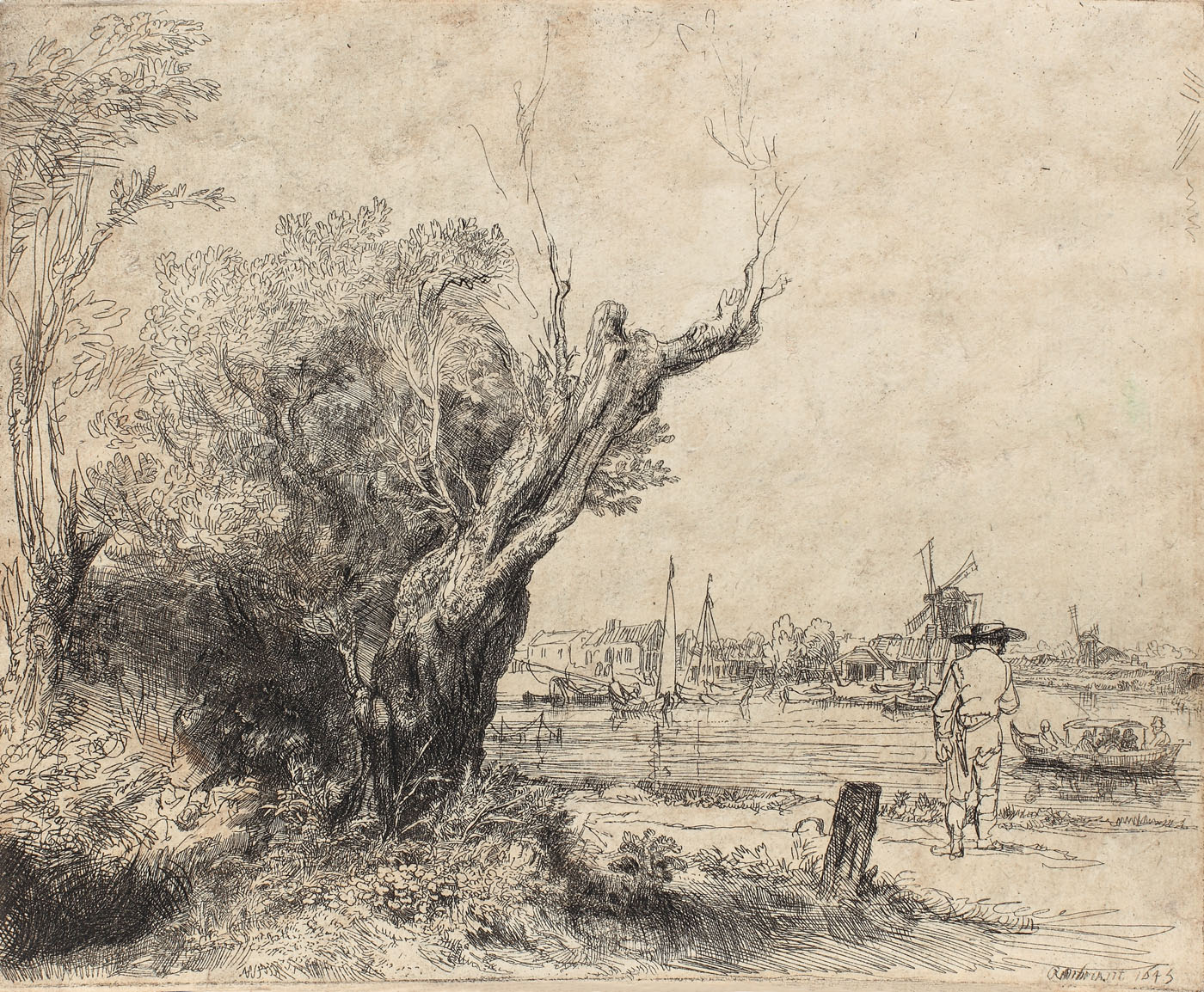
313. Omval Neighbourhood [1645; 17th-18th century run]
1606, Leiden - 1669, Amsterdam

Estimate:
EUR 6.000 - 9.000
Sold
EUR 6.000

etching and needle engraving, 18.5 x 22.5 cm, 22,5x18,5, signed and dated, engraved, lower right, "Rembrandt, 1645"

Notes

marca colecţiei P. Davidsohn (Lugt 654) cu peniţa în cerneală brună; însemnări în creion, "Filigrane aux armes d"Amsterdam; Rembrandt Paysage Eau-forte originale. Tirage ancien sur papier de Hollande"

PROVENANCE

early 20th century, the collection of Paul Davidsohn (1839-1927), collector, merchant, associate of the British Museum, sold in 1920 in Leipzig.

The art collector and dealer Paul Davidsohn was born in Prussian Danzig in 1839, but he spent most of his life in the great cities of Europe, building a career in London, Vienna and eventually Berlin. His career in the arts started in London in 1862, when he settled in the British capital. In his 40 years of collecting and selling art, Davidsohn would create one of the largest collections of European engraving, focusing in particular on the famous names of the 16th-17th centuries, from the creation of Albrecht Dürer to the masterpieces of the Flemish Golden Age of Rembrandt von Rijn or of Adriaen van Ostade. His huge collection was to dissolve in 1920-1921 through three successive sales. Rembrandt's engraving career began in 1926 when the artist started making the first needle engravings. For about 40 years, Rembrandt created an exceptional body of graphic work, his plates becoming a landmark in the world engraving for all future generations. The landscape captured by this Rembrandt plate is a snap from the outskirts of Amsterdam, made in 1645. Omval was actually a peninsula, taking its name from the Dutch word "omvalenn", which means "to collapse". THe engraving has a generous perspective, in alternative manners: in the distant plane, it is only made by etching, depicting the Amstel river bank and the line of houses with a mill, while the forefront, namely the willow that conceals the two lovers, is made by needle engraving alternating with etching. The engraving is listed by Adam Bartsch (1757-1821), the father of Art History in the field of engraving at cat. B209 in "Le Peintre Graveur".

For clarifications regarding the bidding procedure, hammer price costs, guarantee, payment, and collection terms for the winning lot, we recommend carefully reading/re-reading the Bidding Regulations.

For additional information regarding the lot and the auction, please contact the Art Consultants Department.

SESSION
Thu, 23 November 2017 19:30

Similar lots

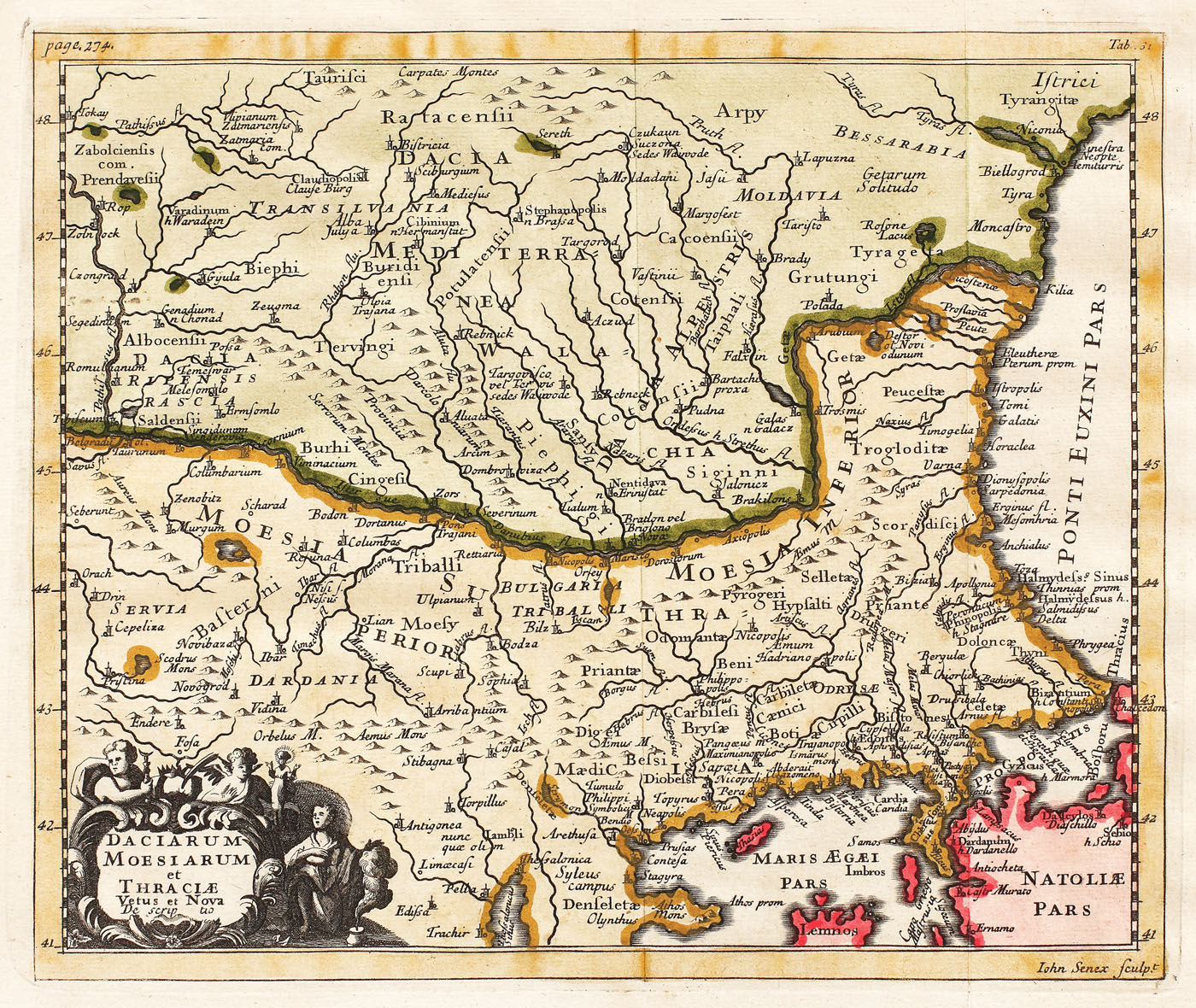
Dacia, Moesia and Thrace map, ca. 1711

331. Dacia, Moesia and Thrace map, ca. 1711

    Starting price: EUR 120
    Sold EUR 200
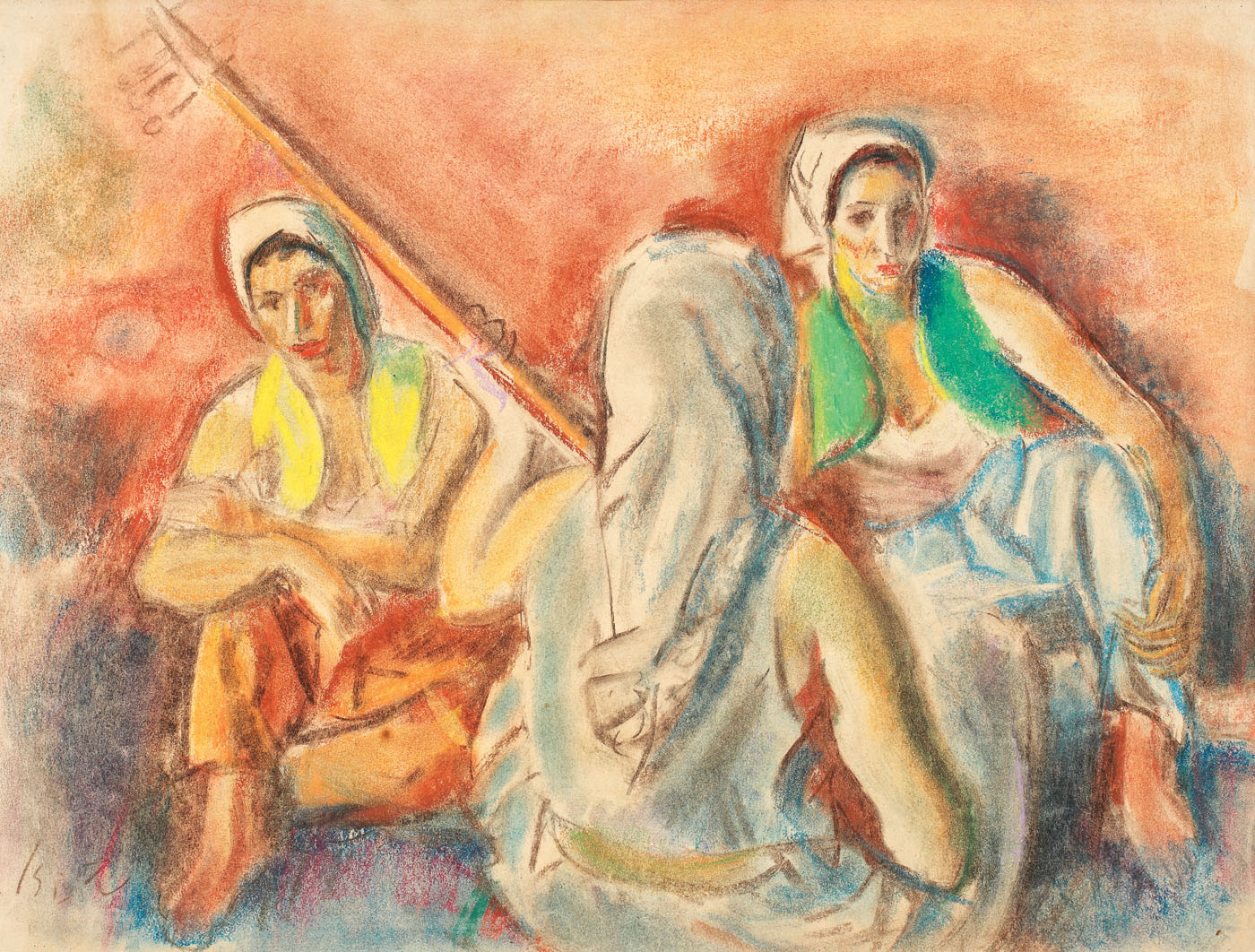
Odalisques with Theorbo

167. Odalisques with Theorbo

Iosif Iser

Iosif Iser

    Estimate: EUR 3.000 - 5.000
    Sold EUR 2.800