
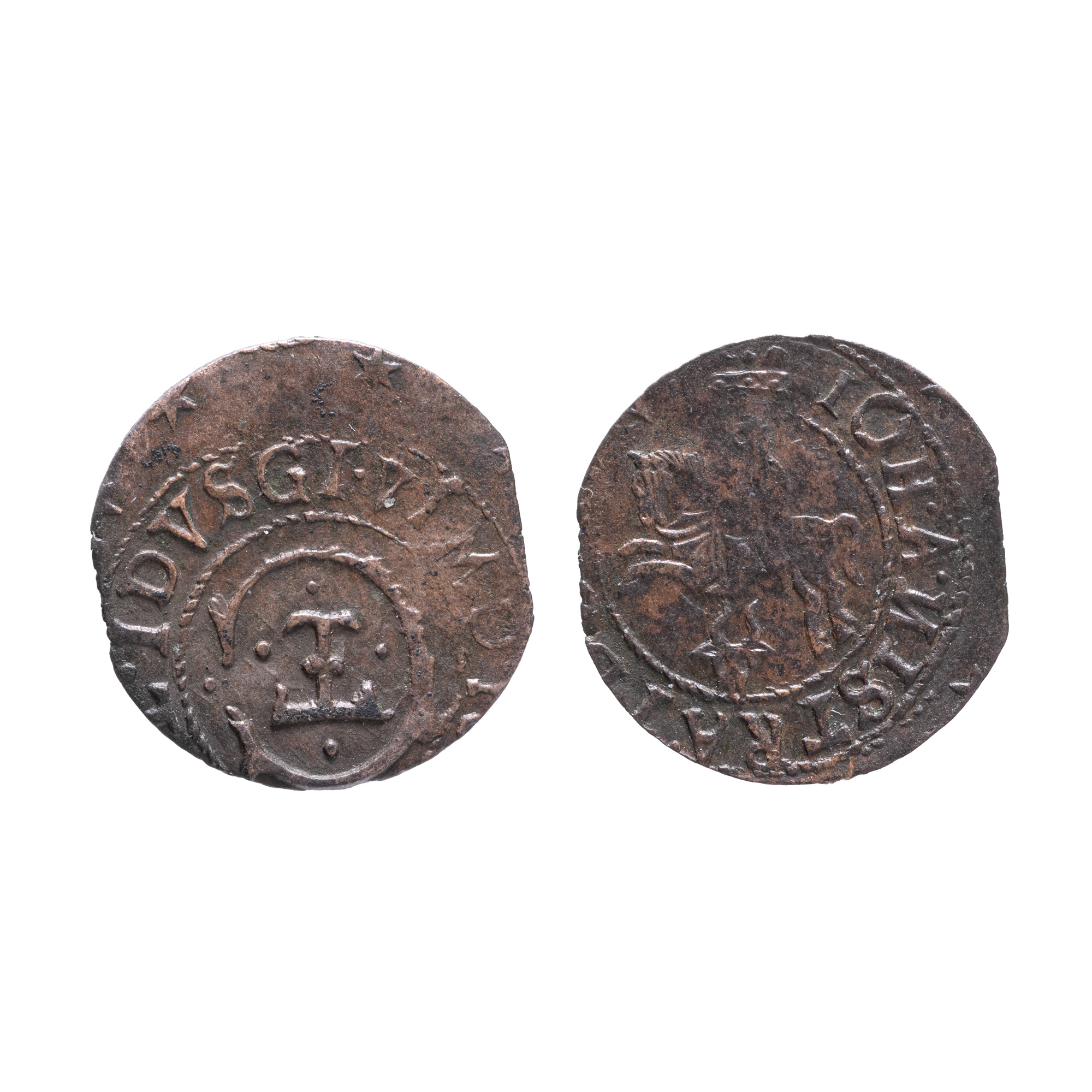
107. Shilling Coin, Eustatie Dabija, Moldova, 1661-1665, Rare Piece

Selling price

EUR 450

Session

Wed, 24 September 2025 18:00

Eustatie Dabija, ruler of Moldova between 1661 and 1665, is a figure less known to the general public, but who played an important role in a complex period of the principality's history. His reign took place at a time when Moldova was caught between the interests of major empires - especially the Ottoman Empire, which exercised direct influence, and the ambitions of the Habsburgs and the Kingdom of Poland, which aimed for indirect control over the region. The importance of Eustatie Dabija is noted primarily by his efforts to maintain internal stability in a context marked by external pressures and frequent economic crises. Coming from the ranks of the Moldovan nobility and with a good relationship with the Ottoman Gate, Dabija was seen as a loyal and balanced ruler, able to ensure the continuity of the administration without major conflicts with the suzerain power. This diplomatic ability allowed Moldova to pass relatively peacefully through a period when other countries in the region were affected by wars and instability. Another relevant aspect of his reign is related to the concern for the country's economic recovery, affected by previous wars and excessive taxation. Dabija tried to support the development of crafts and trade, but also to ensure the normal operation of the administration and the tax system, in a difficult balance between internal needs and obligations to the Gate. Culturally and symbolically, the name of Eustatie Dabija is also tied to a significant monetary issue. During his reign, silver studs were minted, rare coins, but attest to the desire to assert economic sovereignty and to organize a functional monetary economy. Today, these coins are extremely valuable collector's items, but also evidence of an effort to consolidate royal authority through practical means.

Dimensions

custom d=15 mm

Description

bronze

ADDITIONAL INFORMATION

For clarifications regarding the bidding procedure, hammer price costs, guarantee, payment, and collection terms for the winning lot, we recommend carefully reading/re-reading the Bidding Regulations.

For additional information regarding the lot and the auction, please contact the Art Consultants Department.

Similar lots