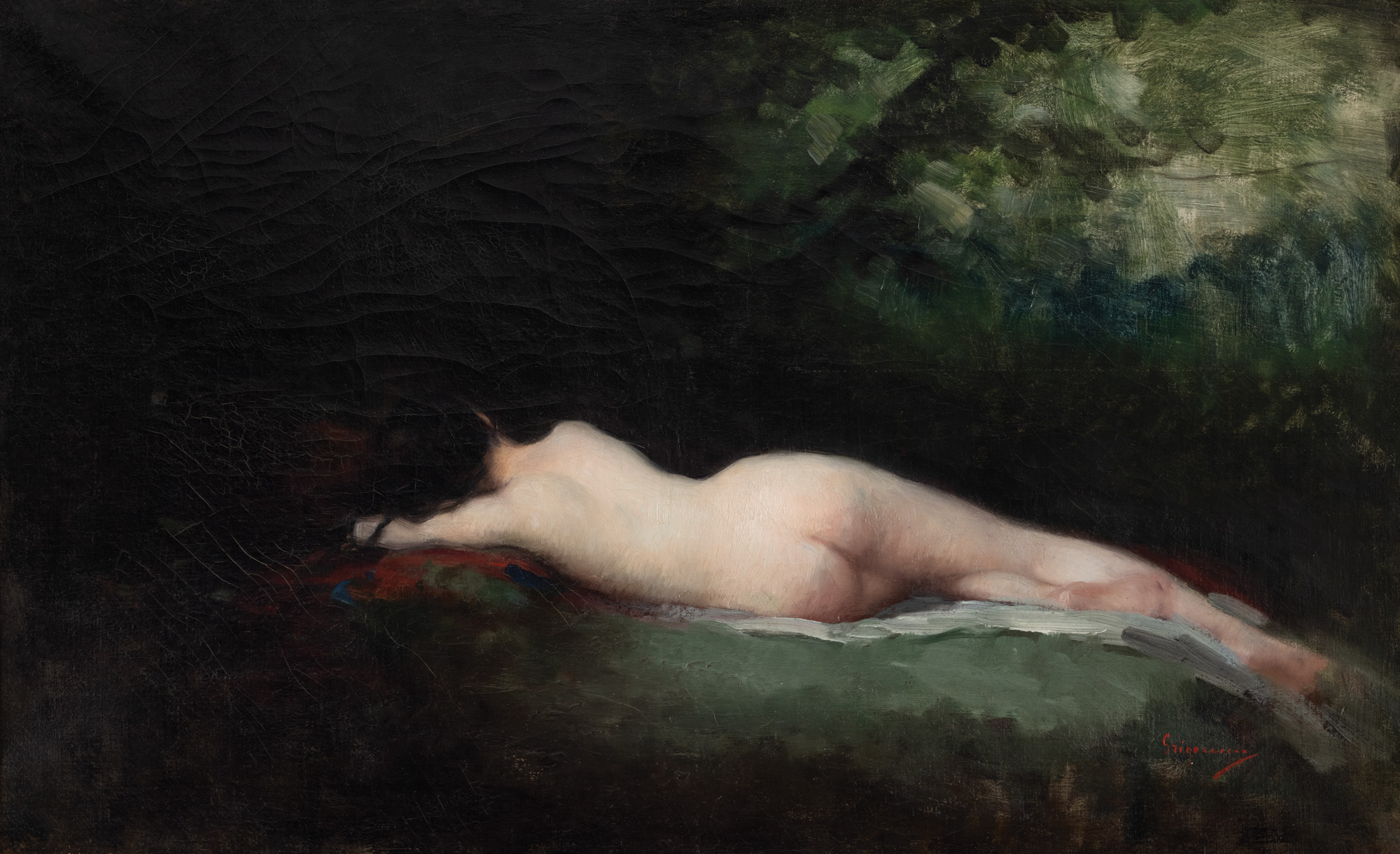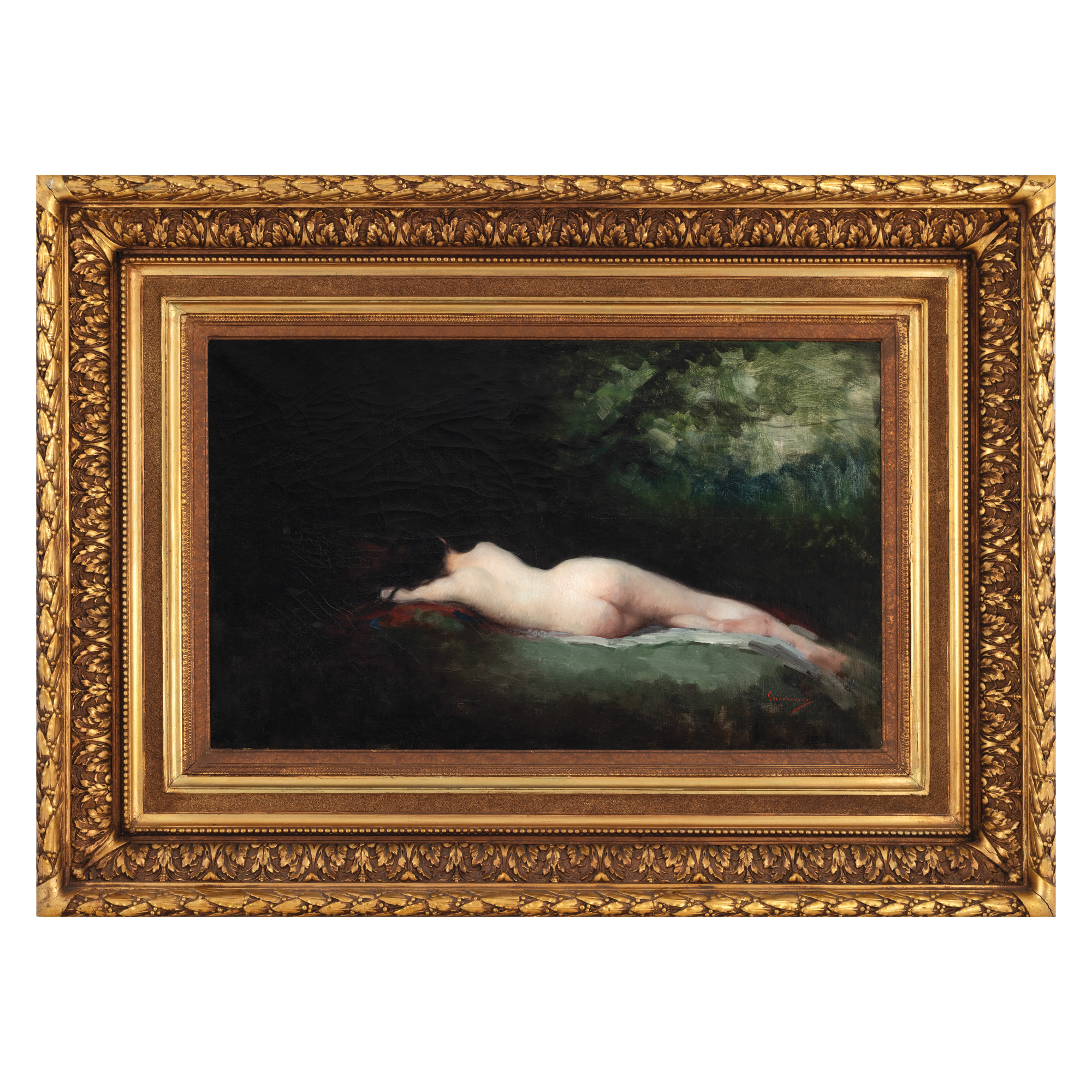

96. Sleeping Nymph [circa 1865-1873]
1838, Pitaru, Dâmboviţa - 1907, Câmpina

Estimate

EUR 100.000 - 200.000

Sold

EUR 330.000

Session

Thu, 20 March 2025 17:00

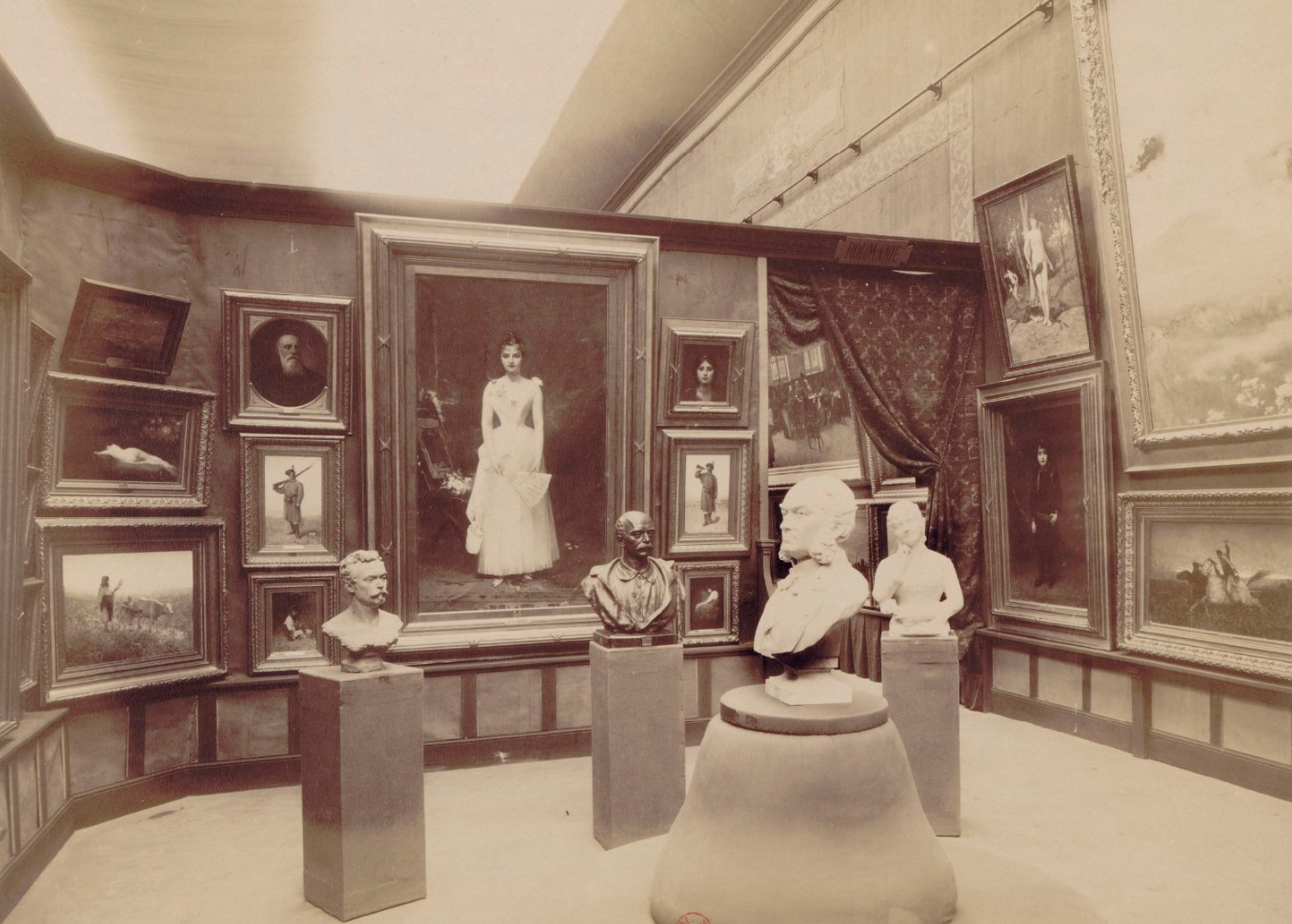
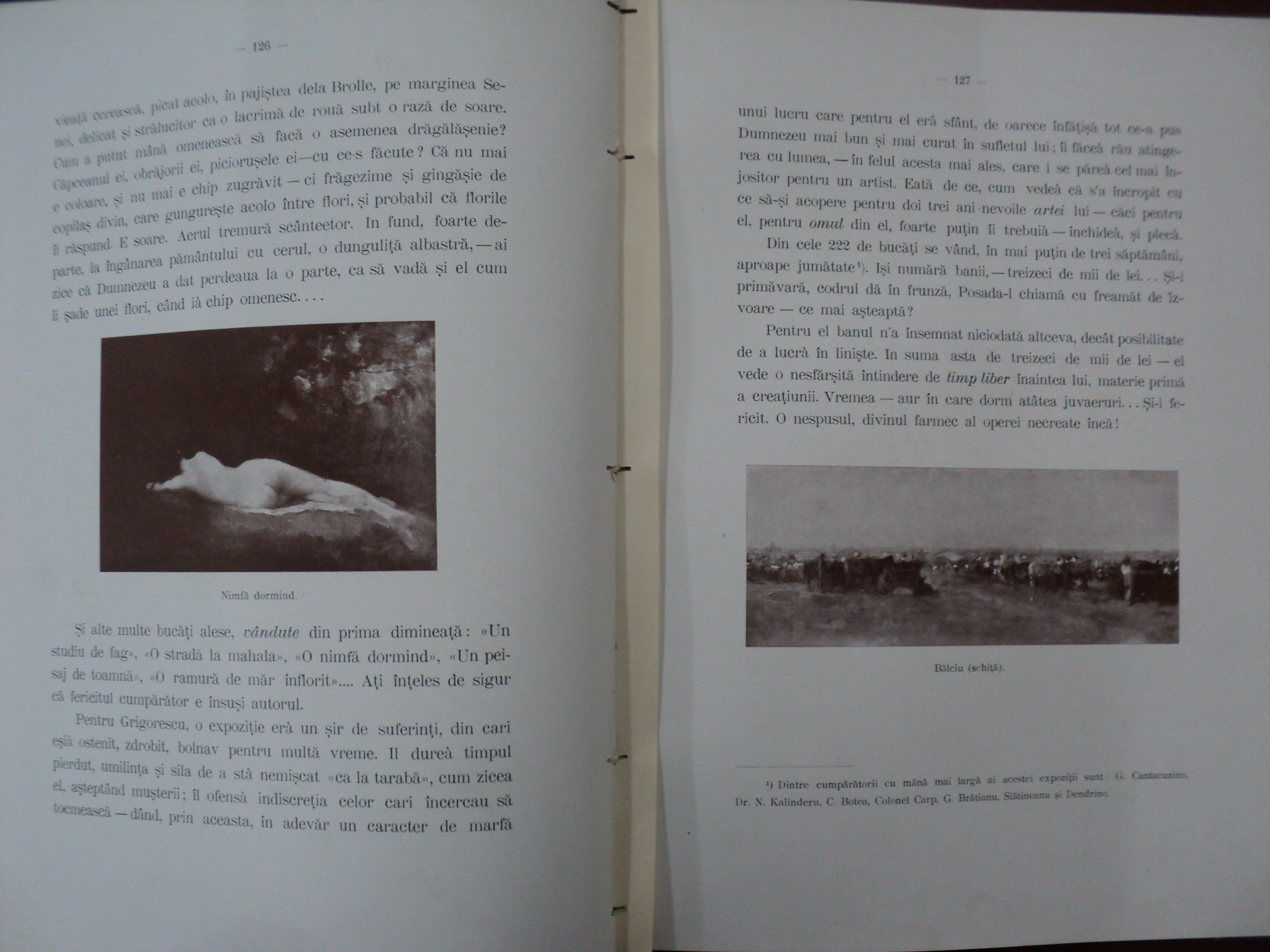
A reclining female nude, seen from behind, glowing with a warm white, surrounded by the dense vegetation of a forest thicket, rendered in chiaroscuro. The upper right corner is loosely painted, in wide, bright green strokes, in dialogue with the streak of green and white under the elongated body. The painting, also known as Sleeping Nymph at the edge of the Forest, is at the forefront of a group of nudes painted by Grigorescu throughout his career, not many, because the artist had, according to George Oprescu, a certain modesty in front of the exposed model: “a modest feeling, in which a wordless admiration, mixed with respect for the woman's body, a rare chastity among artists and is never without charm”. Possibly related to intimate memories, the work was among Grigorescu's favourite paintings, we learn from Vlahuță's monograph, when he refers to the 1887 exhibition, to what Grigorescu did not want to sell, reserving for himself: “a cardboard square, that reads "sold" [...] many choice pieces, sold from the first morning: "A beech study," "A street at mahala"," A sleeping nymph"[...]. You must understand that the lucky buyer was he himself." Executed after a model in Barbizon or Paris (probably in the studio), the work bears the effect of studies after the nude made during the time spent at the Ecole des Beaux-Arts, but also the memory of plein air sessions, intensely experienced by Grigorescu in the Forest of Fontainebleau. It is worth mentioning that on the verso of the canvas there is the oval stamp (partly legible) of the canvas merchant REY&CIE/PARIS, and on the frame the stamp of the frame maker: GAUTHIER/DOREUR/47 Rue LE PELETIER/PARIS. In accordance with an academic tradition, in the second half of the 19th century, sketches and drawings of standing female nudes, three-quarters, front, rear, reclining were made in art schools according to the positions of the model chosen by the teacher to be rendered by the students, sometimes with suggestions given by photographs (including model reclining, seen from behind) that circulated in the workshops of the artists of the time, as auxiliary materials for painting allegorical nudes, cultivated by the academic current. The elegance of the anatomical proportions, sensuality of the painterly style, expressive through the brushstroke that shapes the nude and through the vibration of the light radiated, evoke (with echoes and differences) the memory of the body beautified by Ingres with an extra vertebra (The Great Odalisque, 1814), at the Louvre, or the very feminine warmth of the Romanian Marietta (1843), the nude by Corot kept at the Musée du Petit Palais, Paris. These masters whom Grigorescu had studied carefully and who had left traces (direct or indirect) assimilated into his training. The confrontation created by the dialogue between the human body as a source of light and the penumbra area (even if punctuated by the complementary green - red nuances) - indicates a young artist, still sensitive to the lesson of contrasts of the Barbizon School. Therefore, we can assume that our work was painted in the first part of Grigorescu's oeuvre and that the signature with the small handwriting was added later. Grigorescu will have presented the work in his personal exhibition opened in Paris in 1886 -1887 at the Martinet Gallery and certainly, immediately, in Bucharest, in May 1887. The first reproduction of the painting appears in Vlahuță, where the catalogue indicates the owner: Mr Goodwin. The Englishman Ernest Edmond Goodwin (1848-1931), a banker, deputy director at the Banque de Roumanie in Bucharest, had assembled at the crossroads of the 19th and 20th centuries, a collection of Romanian painting in which Grigorescu's works predominated. In the autumn of 1910, in the course of his preparations for his return to England, this work may have been among the 14 paintings that the collector sold to Prince Nicolae Gh. Cantacuzino (1868-1944), officer, senator, son of Gh. Gr. Cantacuzino Nababul : “Fourteen oil paintings and four charcoal drawings all made by the painter N.I.Grigorescu which I sold you today”, on November 18, 1910. An invaluable scientific document through the illustration of all the cataloged works (the catalog includes titles, techniques, dimensions of the works, names of the owners), the appearance in 1910 of Vlahuță's Grigorescu monograph has become implicitly a favourable moment for the disassembly of important Grigorești collections and their entry in sales in other collections of works. (I.B.)

References

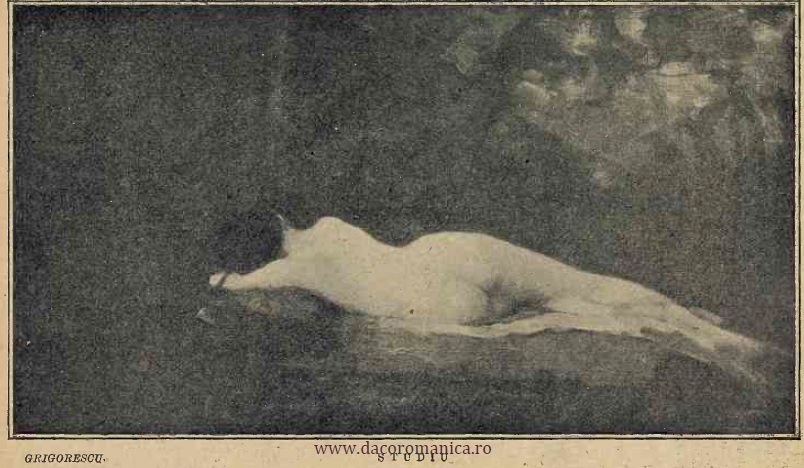
The "Minerva" calendar for 1908, il. p. 277. Catalog of the Grigorescu exhibition, May 11, 1887, Bucharest, Royal Court Typograpgy F. Gobl Fiii, 1887, no. 14. Ionel Jianu, Grigoresco, Foreign Language Editions of the Romanian Institute for Cultural Relations with the Foreign, Bucharest, 1956 (Nude lying down, il. p.168). N. Petrașcu, N.Grigorescu, Tip. Bucovina, Bucharest 1930 (Sleeping, plate 20). A.Vlahuță, The Painter N. I. Grigorescu. His life and his work, Edition of the School Houses, Socec, Bucharest 1910, p.126; cat. p. 258.

Dimensions

width 76 cm, height 46.5 cm

Description

oil on canvas, signed lower right, in red, "Grigorescu"

Research information

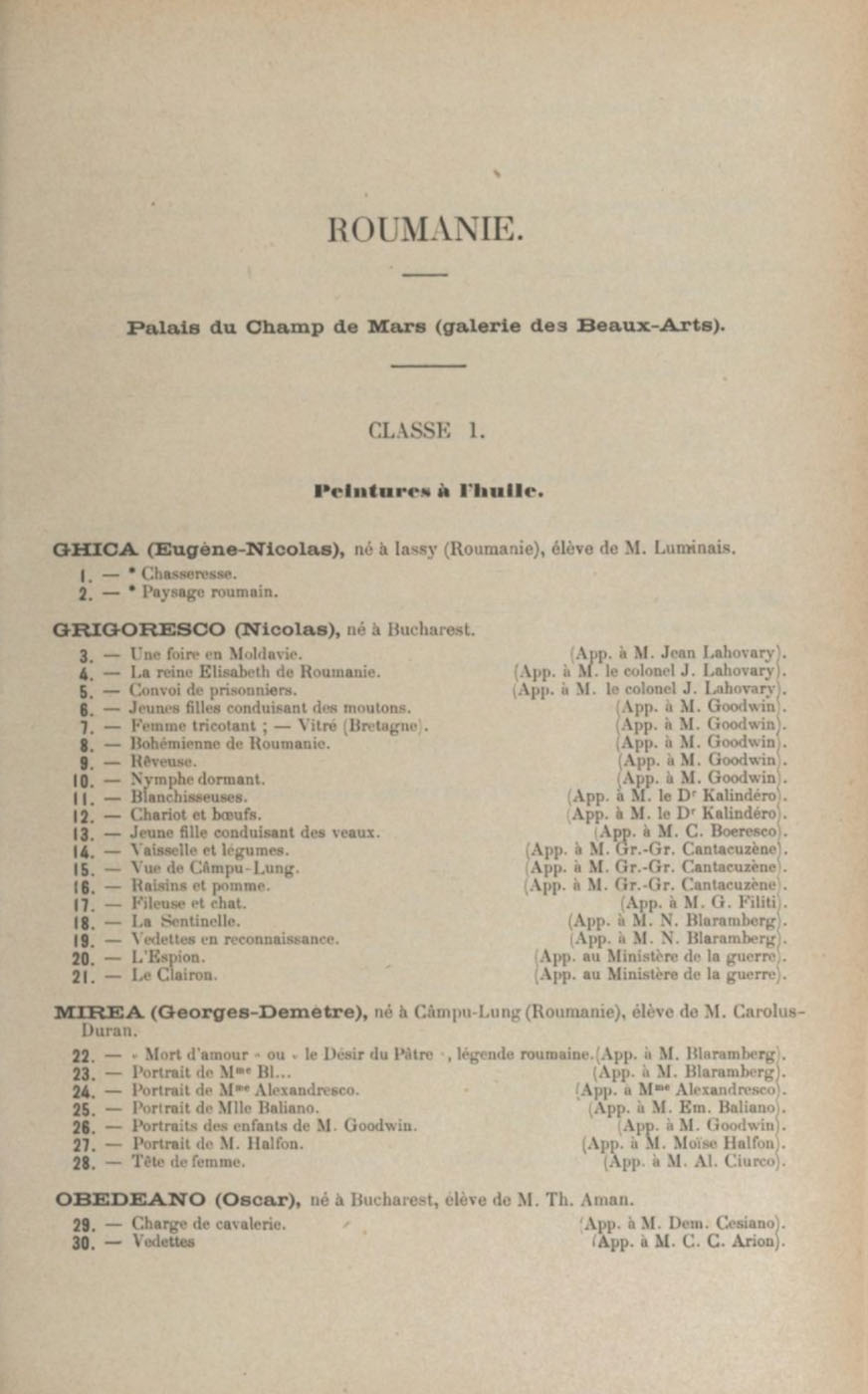
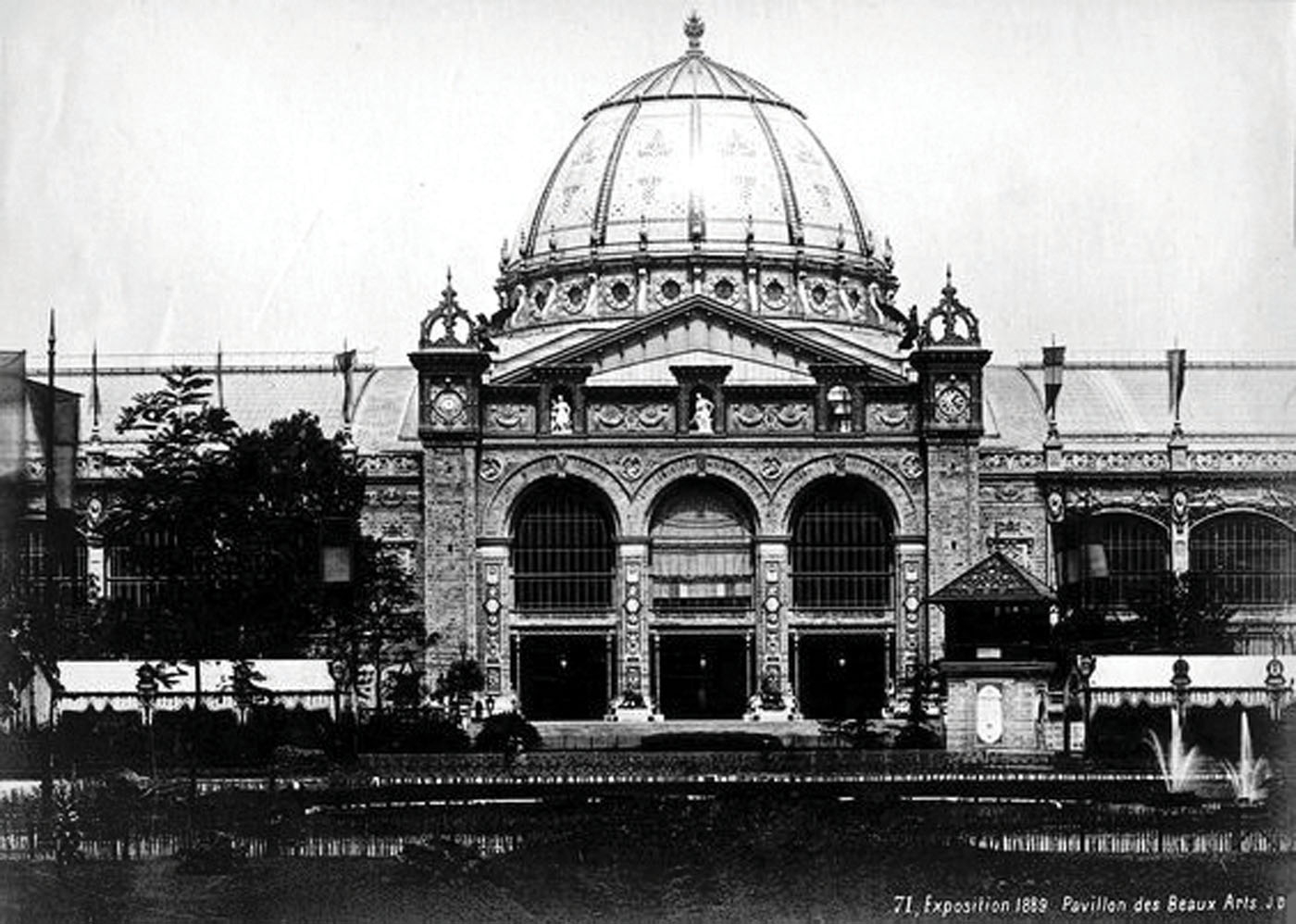
The work is classified in the Treasury category of the National Cultural Mobile Heritage, by order of the Minister of Culture no. 2628 from 05.10.2011. The work was part of the famous collection of Ernest Edmond Goodwin, banker, deputy director of the Bank of Romania until 1910. The work participated in the second personal exhibition of Nicolae Grigorescu, 1887, Eforiei Palace, mentioned in chapter XI of the monograph "Life and work of the painter N.I. Grigorescu", Alexandru Vlahuță, SOCEC, 1910, pp. 122-129. At the beginning of the 20th century, the work was exhibited truncated, approx. 16 cm length of the left surface of the painting, representing the dark corner of the forest, being folded on the chassis; a subsequent restoration of the work has recovered this classicist portion of the work, returning it to circulation in the format conceived by Grigorescu. The work participated in the Exposition Internationale et Universelle, 1889, Paris, Beaux-Arts, Palais du Champ de Mars; and it's reproduced in the exhibition catalog at cat.10. The work is reproduced in Minerva's Calendar, 1908, under the title "Study". The work is reproduced in the monograph "Nicolae Grigorescu", Nicolae Petrașcu, Bucharest, 1930, under the title "Sleeping", plate 20, page 85. The work is reproduced in "Masters of Romanian Painting. Grigorescu", Ionel Jianu, Foreign Languages Publishing House of the Romanian Institute for Cultural Relations with Foreign Countries, Bucharest, page 168, under the title "Nude." A variant of the work, dated 1870, is displayed at the National Art Museum of Romania and is reproduced in "Repertoire of Modern Romanian Painting, 19th Century", Vol. III, I-Z, Costina Anghe, Mariana Vida, National Art Museum of Romania, Gallery of Modern Romanian Art, Bucharest, 2018.

Dating

circa 1865-1873

PROVENANCE

the artist Nicolae Grigorescu's collection; Ernest Edmond Goodwin's collection, Bucharest, probably until the autumn of 1910; probably to Prince Nicolae Gh. Cantacuzino (1868-1944), officer, senator, son of Gh. Gr. Cantacuzino Nababul;

ADDITIONAL INFORMATION

For clarifications regarding the bidding procedure, hammer price costs, guarantee, payment, and collection terms for the winning lot, we recommend carefully reading/re-reading the Bidding Regulations.

For additional information regarding the lot and the auction, please contact the Art Consultants Department.

Similar lots