The photos of the lot are informative and indicative, and cannot provide a highly detailed view of the object from all angles. We recommend a careful physical inspection of the lot before bidding.
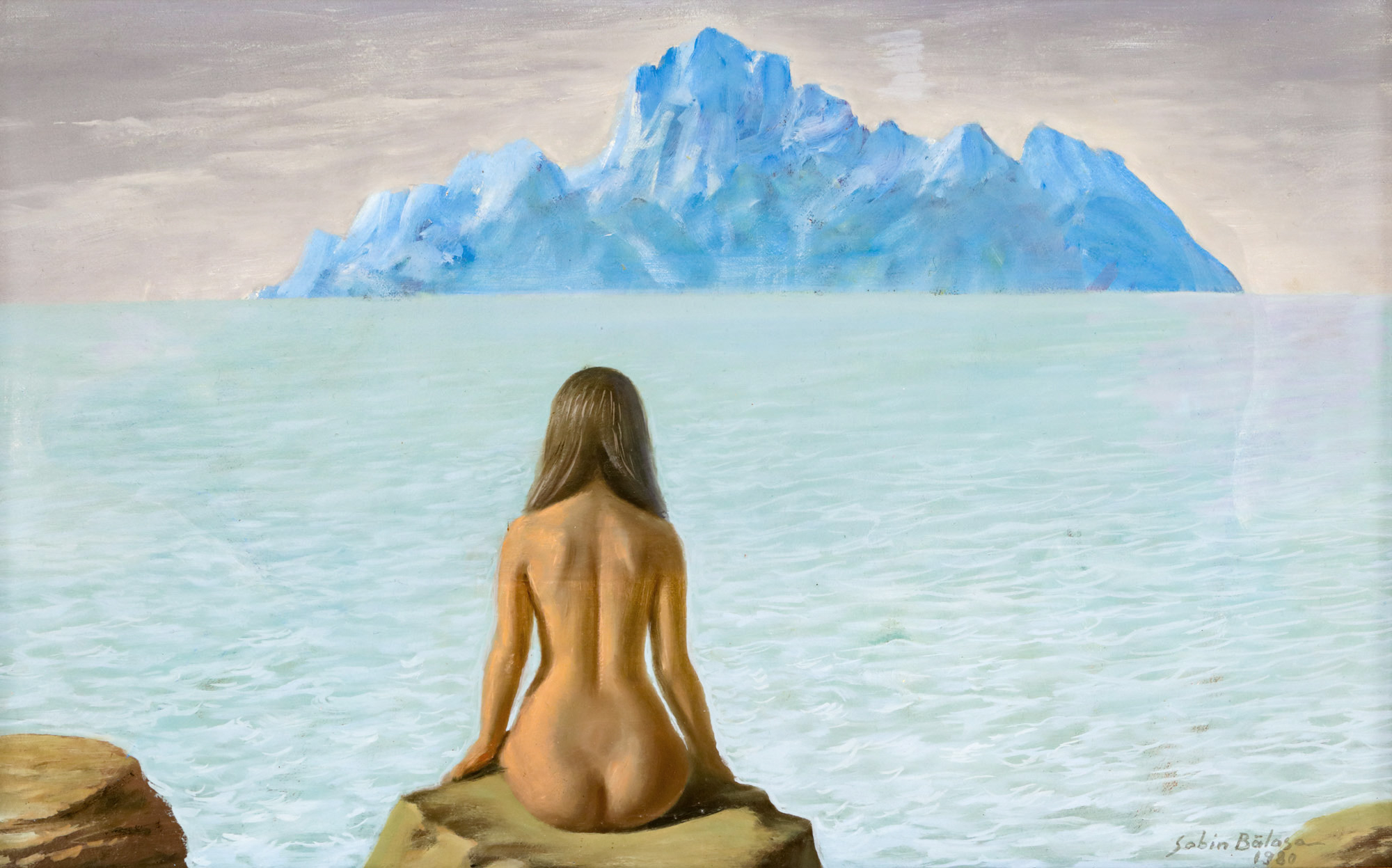
oil on canvas, 41.5 x 64 cm, signed and dated lower right, in gray, "Sabin Bălașa, 1980"
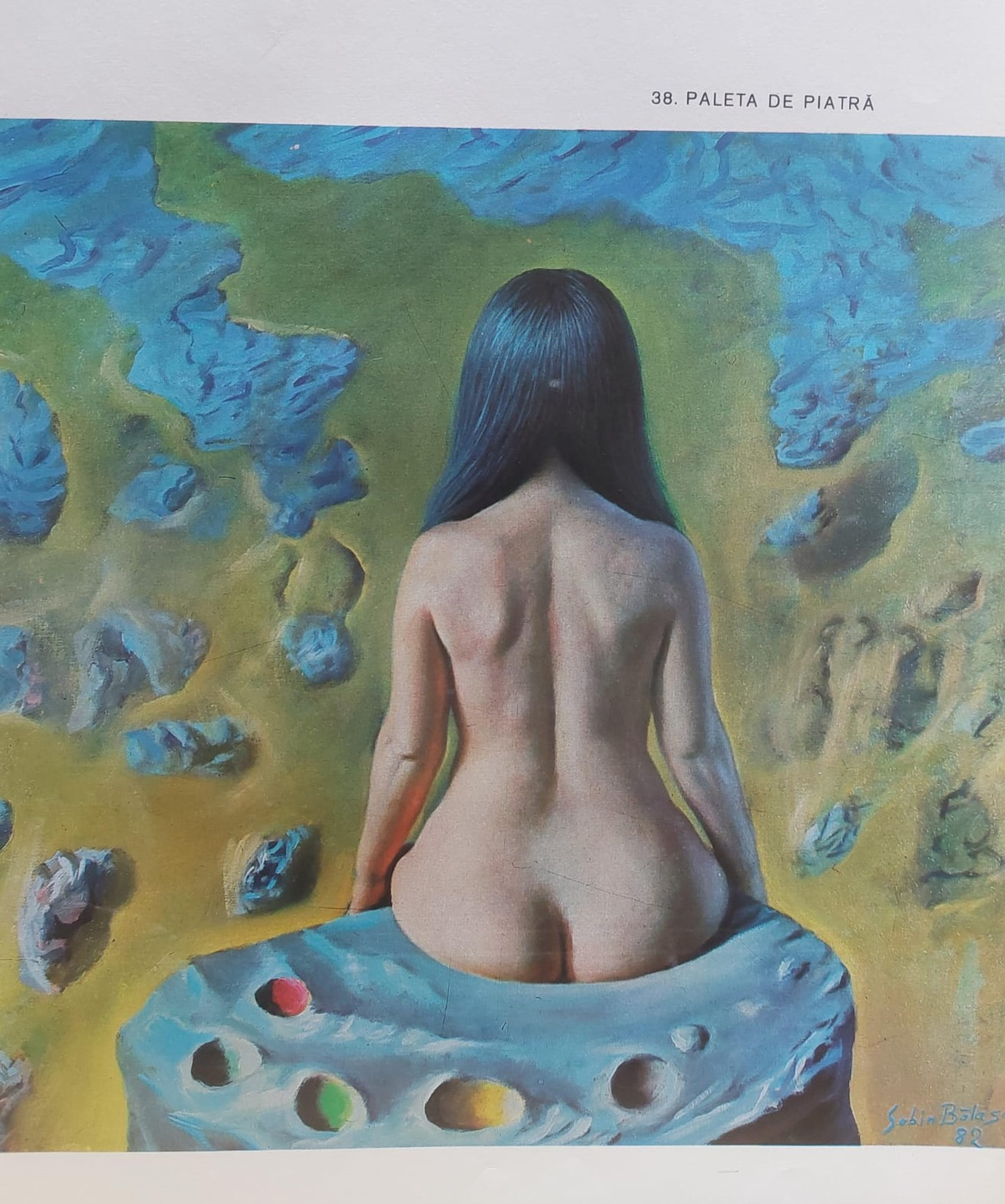
The utopian universe often found in Sabin Bălașa's canvases, within which the artist ventures from his childhood years, reiterates his fascination with the unknown and the infinite. In his work the triumph of the contemporary symbol over the archetypal symbol is undoubtedly distinguished, yet he still maintains its universal value. Bălașa approaches themes from universal legends and mythology, often sketching subjects such as life and death, childhood and youth, or the hope of rebirth. In his creations, art appears understood as an eternal dream - not so much of the artist, but of all humanity. The artist declares that art is for him "a supreme exercise of his own freedom, a great capacity to love". Bălașa's painting presents itself as a continuous diffusion over time. The cosmos, the marine world, the desert or the mountains represent just a small part of the infinite universe where the artist carefully places his fabulous beings. Used with preference since the beginning, the blue, in his view, "is the farthest light, is the immensity in which all colors and all forms are resolved and reborn, is the truth, the ideal, the eternity". The artist who succeeded in populating the sky with human beings builds his own plastic semantics with which he paints metaphors with poetic resonances. Becoming a leitmotif, Bălașa's caryatid appears this time, prefigured in the foreground of the canvas, carrying the whole harmony of the light on her shoulders. Rendered nude, with more or less articulated facial features, Bălașa's models acquire, in turn, the status of muses of the rain, mothers of the earth, goddesses or caryatids of civilization. The man will thus be dedicated to the artist's dreams and desires. Bălașa's fantastic art, undeniably oriented towards the universe, often obeys an unknown topos and an uncertain time span. The emotional value of his works is intensified by the visual coagulation of myth, history and the boundless extent of his imagination. This time, Bălașa's caryatid is caught from behind. The pose has been retaken over time in other works ("Stone Palette") where the muse appears depicted with the body bared, supported with her hands by the boundary stone on which she balances the weight of the body. The long hair is divided into two sections and lead beyond the shoulders, revealing the anatomical details that the painter has studied extensively. We now find the diaphanous expressiveness of the muse's silhouette, the endless aquatic expanse and the gray formations of nature, which hide the timid rays of the sun and the turmoil of the sky. Placed this way, the caryatid is in deep communion with nature and camouflages itself, easily, in the dull chromatics of the composition.
For clarifications regarding the bidding procedure, hammer price costs, guarantee, payment, and collection terms for the winning lot, we recommend carefully reading/re-reading the Bidding Regulations.
For additional information regarding the lot and the auction, please contact the Art Consultants Department.