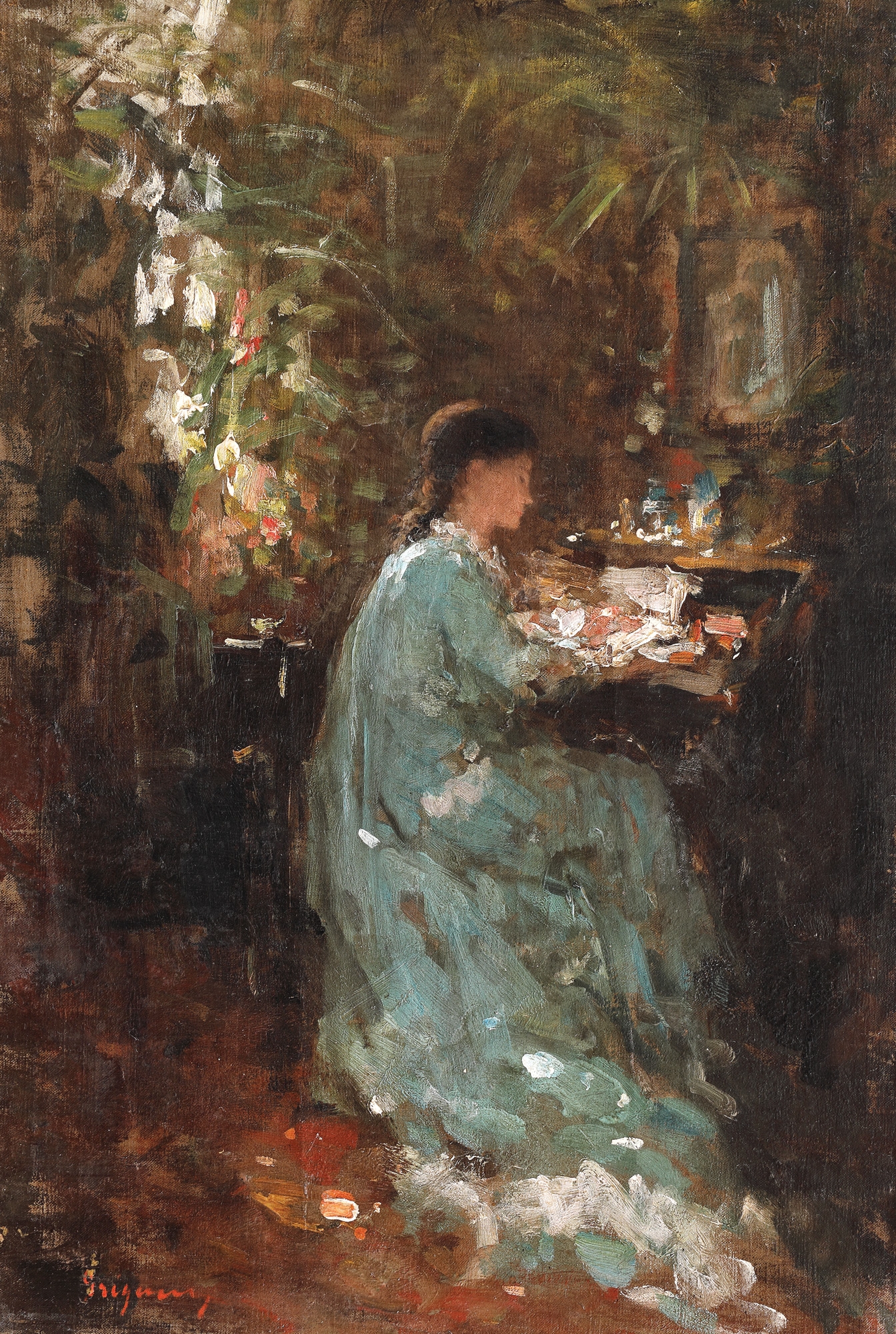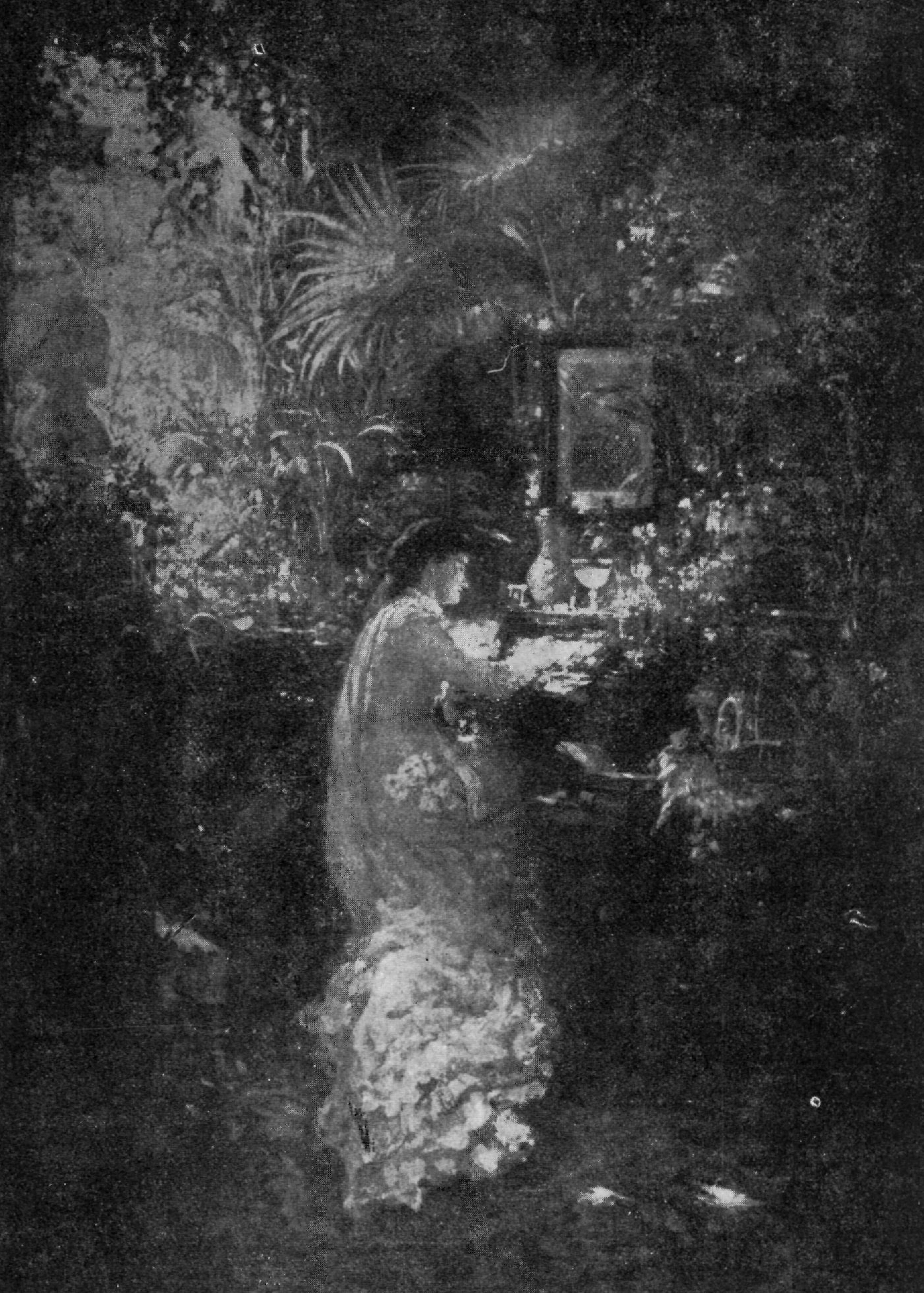

91. Lady Elisabeta in her Office

1838, Pitaru, Dâmboviţa - 1907, Câmpina

Estimate

EUR 40.000 - 75.000

Sold

EUR 77.500

Session

Wed, 29 March 2023 19:00

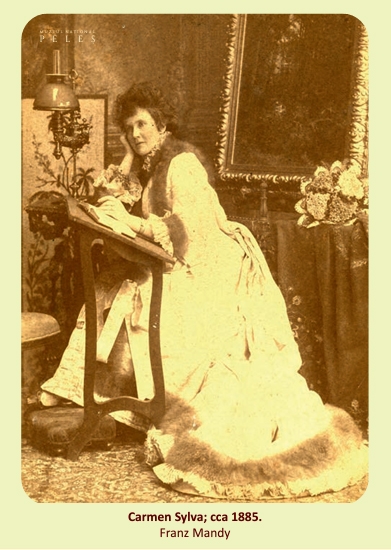
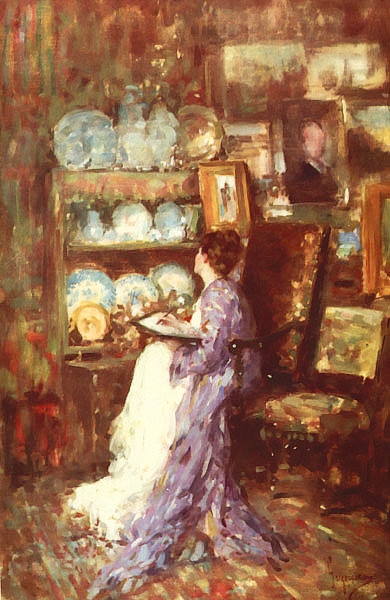
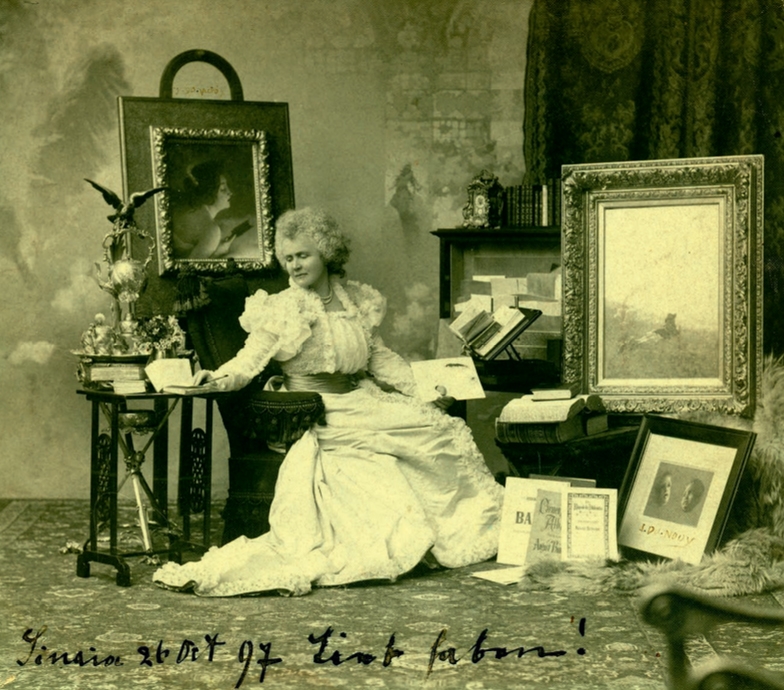
The present painting, whose appearance represents an event in the recovery of our nineteenth century art after 75 years of ideological prohibitions of a totalitarian regime, comes from the collection of the interwar diplomat Viorel Tilea (1896-1972), plenipotentiary minister of Romania in London between 1938 and 1940. This is a more freely treated and smaller dimensioned variant, seldom or hardly known of the work kept uninterrupted in the royal collection of Romania from around 1880 until today, known as an image by reproducing it from Vlahuță's Grigorescu monograph, 1910, photogravure p. 200 (catalogued p. 259: M.S. Queen Elisabeta, photogravure plate, 66 x 48 cm. at M.S. Queen Elisabeta). The painting from the queen's collection reappeared after a considerable span of time on the cover of the book signed by Gabriel Badea-Păun, Carmen Sylva. The Amazing Queen Elisabeta of Romania 1843-1916 (Humanitas, 2003). The author indicates (v.back cover) the title of the painting (adopted here as well), the date towards the end of 1879, the exhibition at the Paris Salon in 1880 and its belonging to the collection of His Majesty King Michael of Romania. The work is currently part of the collection of H. S. Margareta, Custodian of the Romanian Crown, a good quality current reproduction existing in the Royal Portrait Painting. Art and Memory catalogue (National Museum Peleș, 2020, p.83). Returning to the present work: it reminds us (like the one mentioned above) of Nicolae Grigorescu's sustained connection with the ruling family of Romania, over the decades. At the Exhibition of the Friends of Fine Arts in 1873, Prince Carol and Elisabeta Lady were featured with their collections of Grigorescu's paintings (made at Barbizon and in the country), already constituted in a first phase. Elisabeta's constant appreciation of Grigorescu, considering him the national artist, determined the increase of her own collection (Elisabeta acquired "valuable works every time the artist exhibited", v.Badea-Păun, 2003, p198) and, obviously, the proposal for Grigorescu to do her portrait. We can affirm that the painting from Viorel Tilea's collection is the expression of Grigorescu's well individualized style from the late 1870s, in dynamic, dazzling strokes that punctuate the surface of the painting giving it vibration and accentuating materiality in places. A refined virtuosity drawing Grigorescu here close to his contemporary, Berthe Morisot, or perhaps suggested to the artist by the memory of eighteenth-century France, is manifest in the central area of the image, in the painting of transparencies and subtleties of the green veil dress (grey-greenish?), diaphanous dress with train. Creating an atmosphere, the lighting direction builds the image, the dialogue between the highlights and the penumbral background determining the intimate, heavily lyrical character of the scene. Attentive and sensitive to the spectacle of surrounding light, Grigorescu still resorts to elements of Barbizon-typology, now combining them with the gesturality of alert strokes, especially when painting interiors with characters or portraits, which is the case of the current artwork, in fact a compositional portrait in an interior. The artist marks light reflections with swift colored white strokes, synthetically laid down without any further detailing of the greenhouse atmosphere in which the Princess appears in the larger painting. Elisabeta de Wied (1843-1916), future queen of Romania (1881-1914), Princess Elisabeta/ Elisabeta Lady at that time, is represented in the center of the image, in her study located in the Victory Avenue Palace. The Paris Salon catalogue of 1880, provides us with the precise data of the homologous work (the royal collection one), the title with the location of the scene, the dimensions of the painting and implicitly the time of realization: cat. no.1698, Princess Elisabeth of Romania in her study.1,15 x 0,85. Grigorescu chooses to portray the Princess alone in her sadness, at the same time in her favorite position, as a poet, as a writer. A diagonal of lights spreads from above on the penumbral background in a rain of sparkling strokes, becoming a symbol of the moment of grace presiding over the act of artistic creation. Almost quietly noted, distanced from the first plan, through a wilful note of modesty, the actual image of the character - the profile of the face, the hairstyle, the slender silhouette, of great grace, the dress with train - identifies Carmen Sylva without any difficulty at a certain moment in her life that corresponds to 1879-1880. It is the period that slightly preceded the instauration of the kingdom (1881) and therefore the presentation by Nicolae Grigorescu, the now forth national artist, of the homologous item with the present one, at the Paris Salon (May 1880), is not accidental at all. Unlike the work displayed then, the one we have now in front of us must have been a preparatory painting or possibly a broad-lined, essentializing retake. Either way, it is the testimony of the definitive work presented in 1880. Photographs of Elisabeth Lady from that period, published by N.Iorga in his book Portraits of Romanian Ladies (Commission of Historical Monuments, Bucharest, 1937, fig.75,77, 84) attest the respect by Grigorescu - a painter twinning the vocation of realistic observation with the lyrical charge - of the data and the atmosphere offered to him by the image of the princely model. (Dr. Ioana Gabriela Beldiman)

References

Gabriel Badea-Păun, Carmen Sylva. The Amazing Queen of Romania 1843-1916, Ed.Humanitas, Bucharest, 2003. G. Bengesco, Carmen Sylva - intimate, Librairie Félix Juven, Paris, 1905. Explanation of the works of painting and drawings, sculpture, architecture, engraving and lithography by living artists exhibited at the Palais des Champs-Elysées on May 1, 1880, Imprimerie Nationale, Paris, 1880. N.Iorga, Portraits of Romanian Ladies/Portraits des Princesses Roumaines, Commission of Historical Monuments, Bucharest, 1937. Royal Portraiture. Art and memory [exhibition catalog] by Narcis Dorin Ion coordinator, Mircea Hortopan and team, National Museum Peleș Sinaia, Magic Print Publishing, Onești, 2020. A. Vlahuță, The Painter N.I. Grigorescu His life and work, Edition of the Schools House, Socec, Bucharest, 1910.

Dimensions

width 28 cm, height 42 cm

Description

oil on canvas, signed bottom left, in red, "Grigorescu"

Research information

A similar work is mentioned in the correspondence between Nicolae Grigorescu and Princess Elizabeth from 1879, correspondence included in the volume "N. Grigorescu's Correspondence", G. Oprescu, Universul Publishing, Bucharest, 1944.

PROVENANCE

The historical collection of the diplomat Viorel Tilea (1896-1972). A member of the great Transylvanian Ratiu family (attested since the 14th century), Tilea was to become an important diplomat and Romanian dignitary in the interwar period. He was nephew of the memorandist and politician Dr. Ioan Ratiu (1828-1902) and was related to the politician Ion Ratiu (1917-2000), becoming a decisive figure of the Romanian political elite in the interwar period. He began his career around the First World War, apprenticing near personalities like Iuliu Maniu or Alexandru Vaida-Voievod, to reach the peak of his career at the end of the 1930s. Between 1938 and 1940 he became plenipotentiary minister in London, therefore the ambassador of Romania to the United Kingdom, his name being linked to the "Tilea Incident", when he intervened with the Foreign Office (on March 16 and 17, 1939), warning of the danger of a possible aggression of Nazi Germany against Romania. Following this incident, Tilea lost his citizenship in September 1940, when he asked for political asylum in the UK. Later, the citizenship meanwhile offered back by King Michael was withdrawn a second time by the communist state, being considered an enemy of the state due to his actions in exile (founding member of the Free Romanian Movement).

ADDITIONAL INFORMATION

For clarifications regarding the bidding procedure, hammer price costs, guarantee, payment, and collection terms for the winning lot, we recommend carefully reading/re-reading the Bidding Regulations.

For additional information regarding the lot and the auction, please contact the Art Consultants Department.
Similar lots

Returning from the Field

121. Returning from the Field

Nicolae Grigorescu

    Estimate EUR 15.000 - 25.000
    Sold EUR 26.000
Dumplings

145. Dumplings

Nicolae Dărăscu

    Estimate EUR 3.500 - 5.500
    Sold EUR 3.500
Tatar Neighbourhood in Balchik

32. Tatar Neighbourhood in Balchik

Hrandt Avachian

    Estimate EUR 1.500 - 2.500
    Sold EUR 2.500