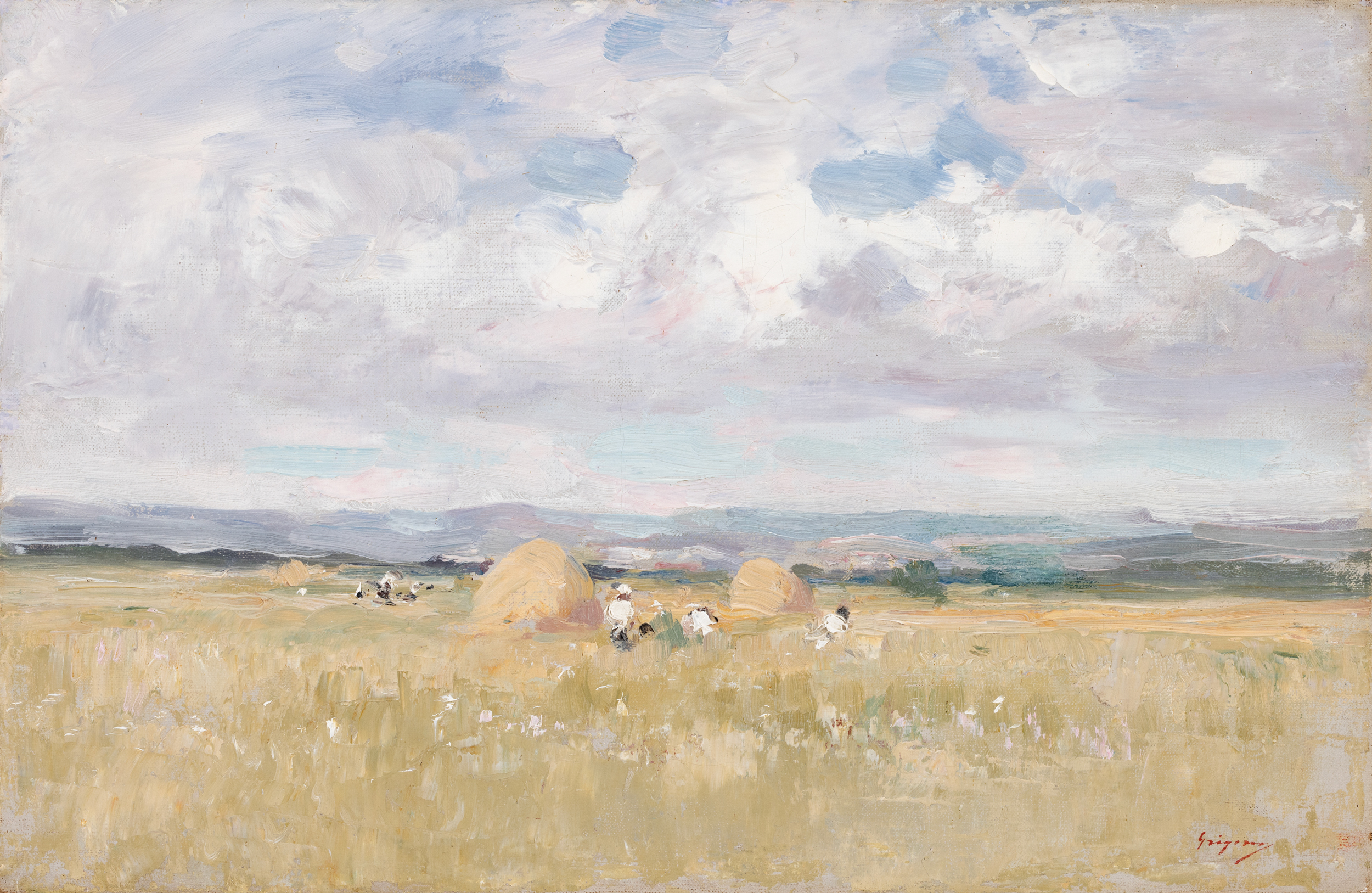
The photos of the lot are informative and indicative, and cannot provide a highly detailed view of the object from all angles. We recommend a careful physical inspection of the lot before bidding.
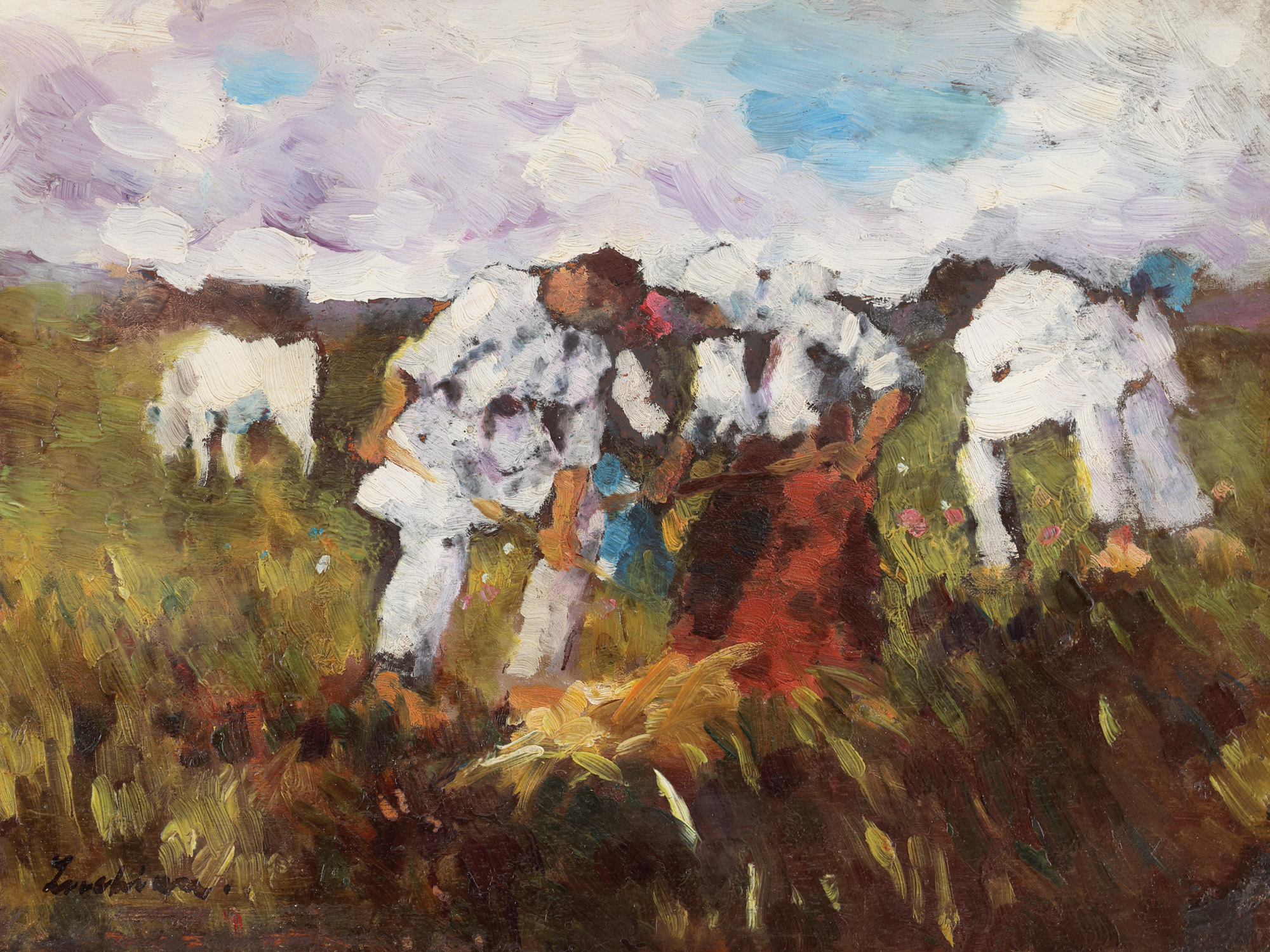
oil on wood, 21 x 31 cm, signed lower left, in black, "Luchian"
Research information
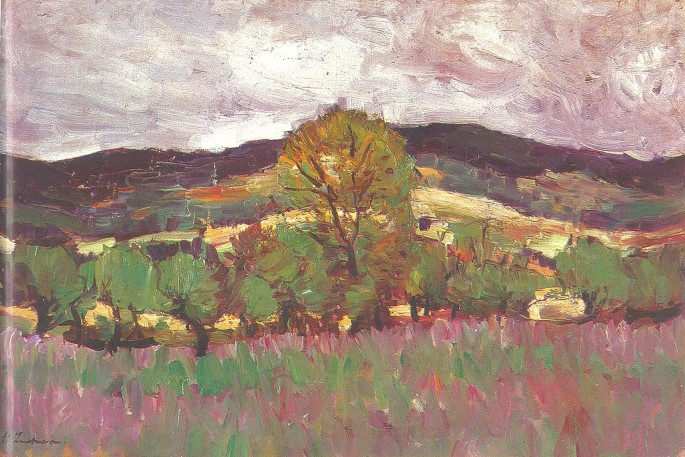
The artwork participated in the exhibition "Luchian and the Independents", Art Safari, Bucharest, 2017 and is reproduced in the exhibition catalog on page 97.
The period 1903-1910, indicative for his full artistic maturity, will also be one of the most productive periods in Stefan Luchian's creation. He will constantly return to nature, from where he will extract his creative essence. Up to this point, he was more attracted by the energy of the city, but after leaving the hospital, his artistic searches will be more felt in the rural area, in the Romanian villages. We will therefore notice true panoramas of Govorei, Filipeștii-de-Pădure or Brebu. The letters addressed to his friends describe his working trips and the joy of being in the middle of nature. Summers were spent in such rural settlements, which aroused his interest, thus contributing to the development of his work. The return to Bucharest was often celebrated through an exhibition meant to give the painter the chance to share with the public his exaltation in the face of nature. "When you work outside, the light changes from one minute to another; if you don't hurry, the sun steals your shadows; in a moment everything has changed. With pastel you work quickly. The silvery smoke that scatters from the willows in the twilight light, in pastel you catch it easier", Luchian would conclude. We will see that in oil painting, the artist focuses primarily on rendering the effects of light, synthesizing colors, shapes and sensations. In 1908, Luchian made a trip to Brebu, a journey that would result in shaping an important plastic work. The year 1909 will initially find him in Bărăgan, only for the fascinating meeting with the land of Moinești to take place after. The meeting will be memorable both through its emotional significance (it is the last trip made by the artist), and through the adoption of different technical and stylistic means compared to his previous work. Hastened perhaps by the magnitude of the disease, the artist builds his technique and paints more nervously, more hastily, highlighting a more vigorous type of brushwork. As Jacques Lassaigne noted, "He wants to fully encompass this nature that he feels he is about to lose; through powerful impastos, through violent strokes, he strives to fix, to bring out the landscape". He uses abundantly shades of violet, so that often his skies will take on blue and violet hues and blends; but also the flowers or even the grass will enjoy inserts of the same shade. Moinești will remain one of his favorite places, a place predestined for communion with nature, with the earth. But the small settlement in the Moldova region will also represent one of the key moments of Stefan Luchian's entire creation.
For clarifications regarding the bidding procedure, hammer price costs, guarantee, payment, and collection terms for the winning lot, we recommend carefully reading/re-reading the Bidding Regulations.
For additional information regarding the lot and the auction, please contact the Art Consultants Department.