
110. Agora [1972]

The photos of the lot are informative and indicative, and cannot provide a highly detailed view of the object from all angles. We recommend a careful physical inspection of the lot before bidding.

110. Agora [1972]

1937, Rădăuţi, Suceava - 2017, București

Estimate:
EUR 4.000 - 6.000
Sold post auction
EUR 5.500

References

DAVIDIAN, Alexandru, "Marin Gherasim"; Vellant Publishing House, Bucharest, 2019.

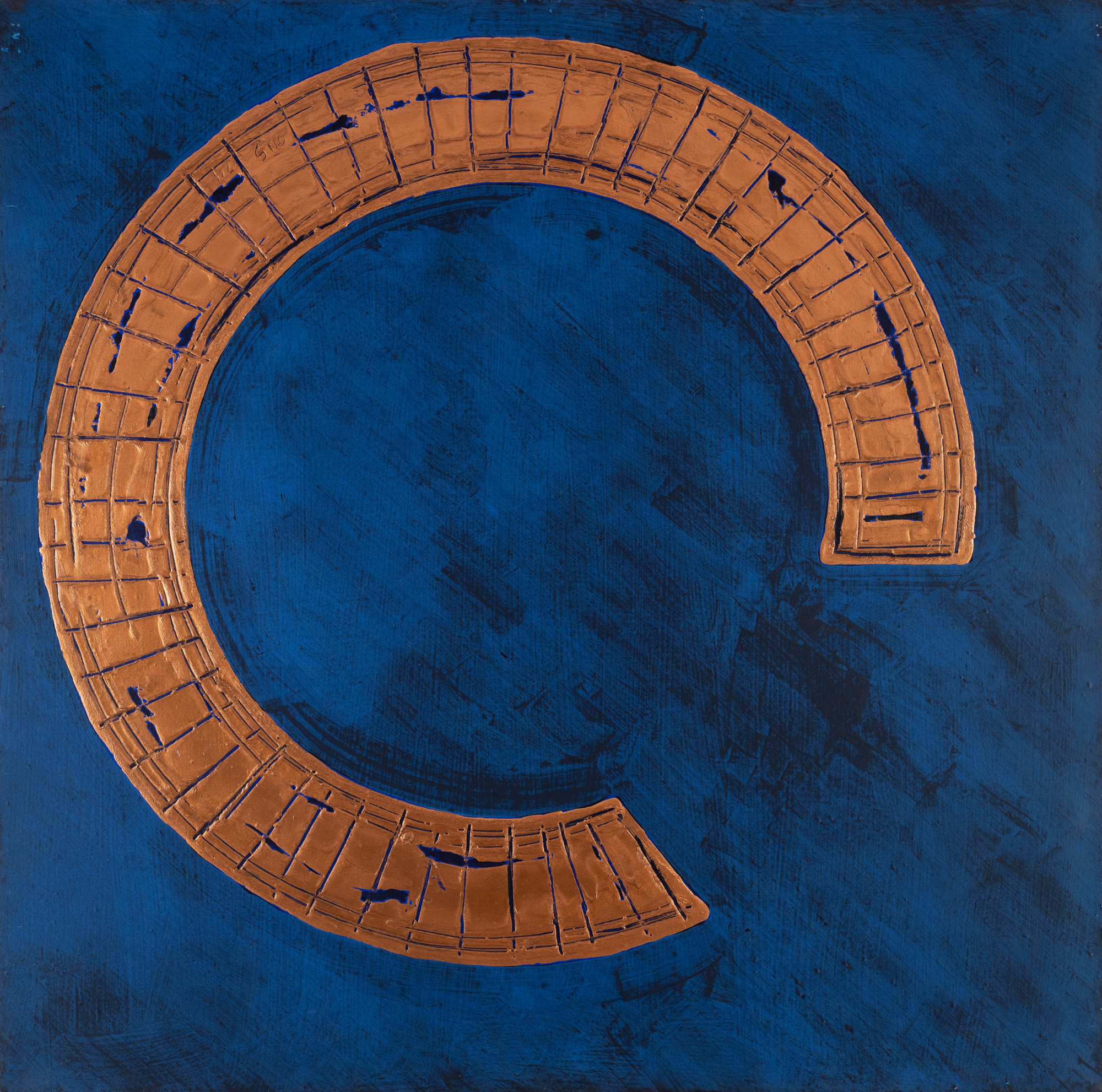
oil on canvas, 100 x 100 cm, signed and dated lower left, "MG, (19)72"

Research information

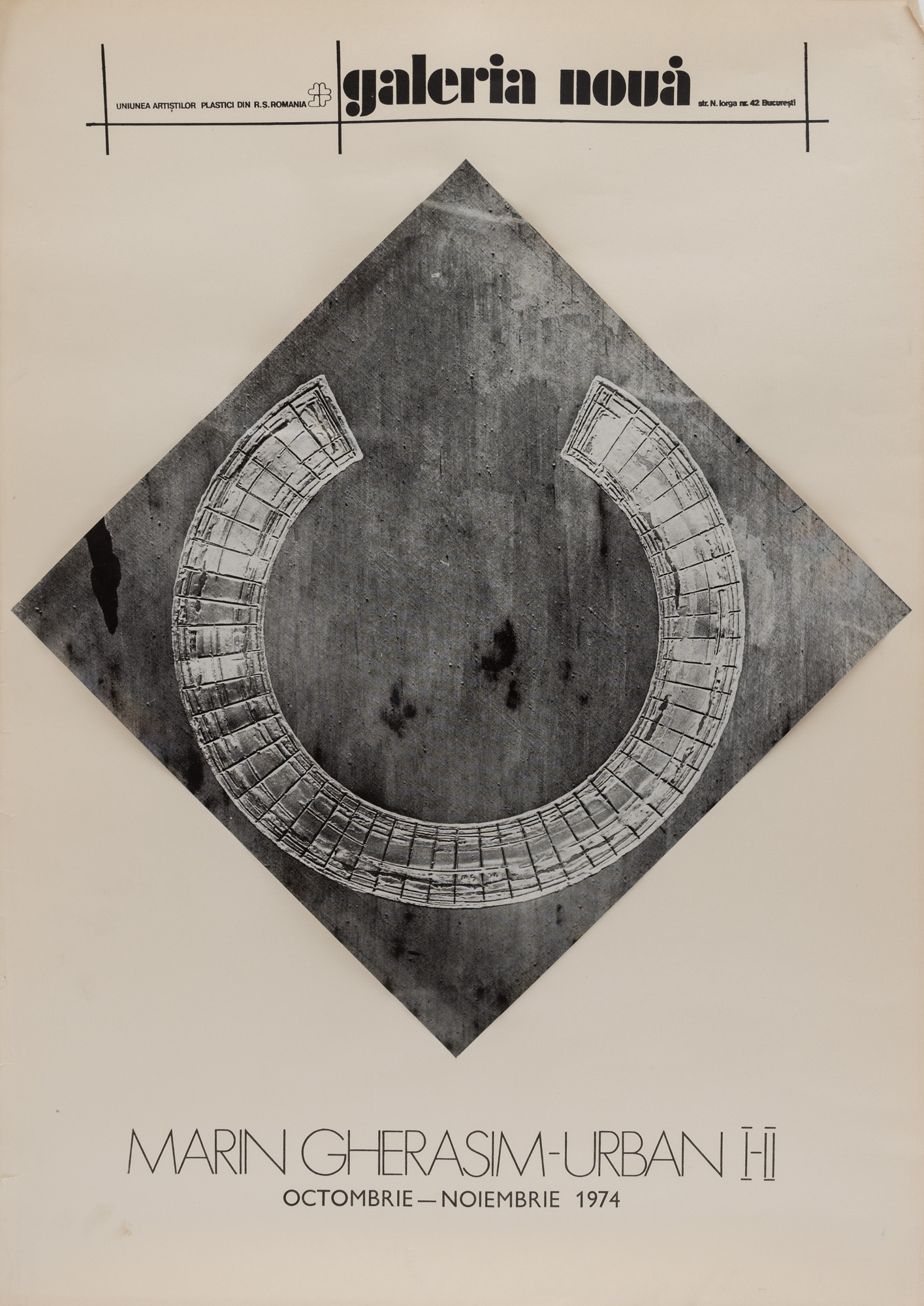
The artwork was part of the exhibition "Marin Gherasim. Urban I- II", Nouă Gallery, Bucharest, October-November 1974 and is reproduced on the exhibition poster. The artwork was part of the exhibition "Art and the City", Museum of Recent Art, Bucharest, 2021 and is reproduced in the exhibition catalog on page 78. The artwork was part of the exhibition "Pangratti Workshops. In Memoriam Ruxandra Garofeanu", Art Safari Bucharest, 2024.

The positioning of Marin Gherasim in proximity to myths and history resulted in the creation of memorable artistic cycles. Therefore, we are talking about the "Urban I" and "Urban II" cycles, which correspond to the period 1971-1975. The artist focuses here on the subjective reinterpretation of the ethos of past centuries. He takes up models of Greek architecture in series such as "Agora", "The Great Sign" or "The Road". In general acceptance, the Agora represents the public market of cities in Ancient Greece. The people, gathered in large numbers, were informed by the king (a usually imposing figure, usually accompanied by his scepter) about the decisions he was making with the nobility. The name was first discovered in Homer's writings. Therefore, the Agora represented both a meeting space and the concept of gathering people. Sometimes, the Agora served as a stage for theater or dance shows, so it could take on either a commercial or ceremonial character. As a connection space, it became "a city of universal love", a space of communion between people. In Marin Gherasim's work, the starting point can be identified in Greek philosophy, with reference sources being the writings of Socrates, Plato or Aristotle. We also note the dianoetic relationship that combines the oriental architecture of the Byzantine Empire in the contingency of the circle and the square proposed by the artist. The Agoras will pave the way for the "Temples" and the "Great Sign of the Cross", thus being a complex reference point in his work.

For clarifications regarding the bidding procedure, hammer price costs, guarantee, payment, and collection terms for the winning lot, we recommend carefully reading/re-reading the Bidding Regulations.

For additional information regarding the lot and the auction, please contact the Art Consultants Department.

SESSION
Tue, 19 November 2024 17:00
Brought to you by

Similar lots

Monument

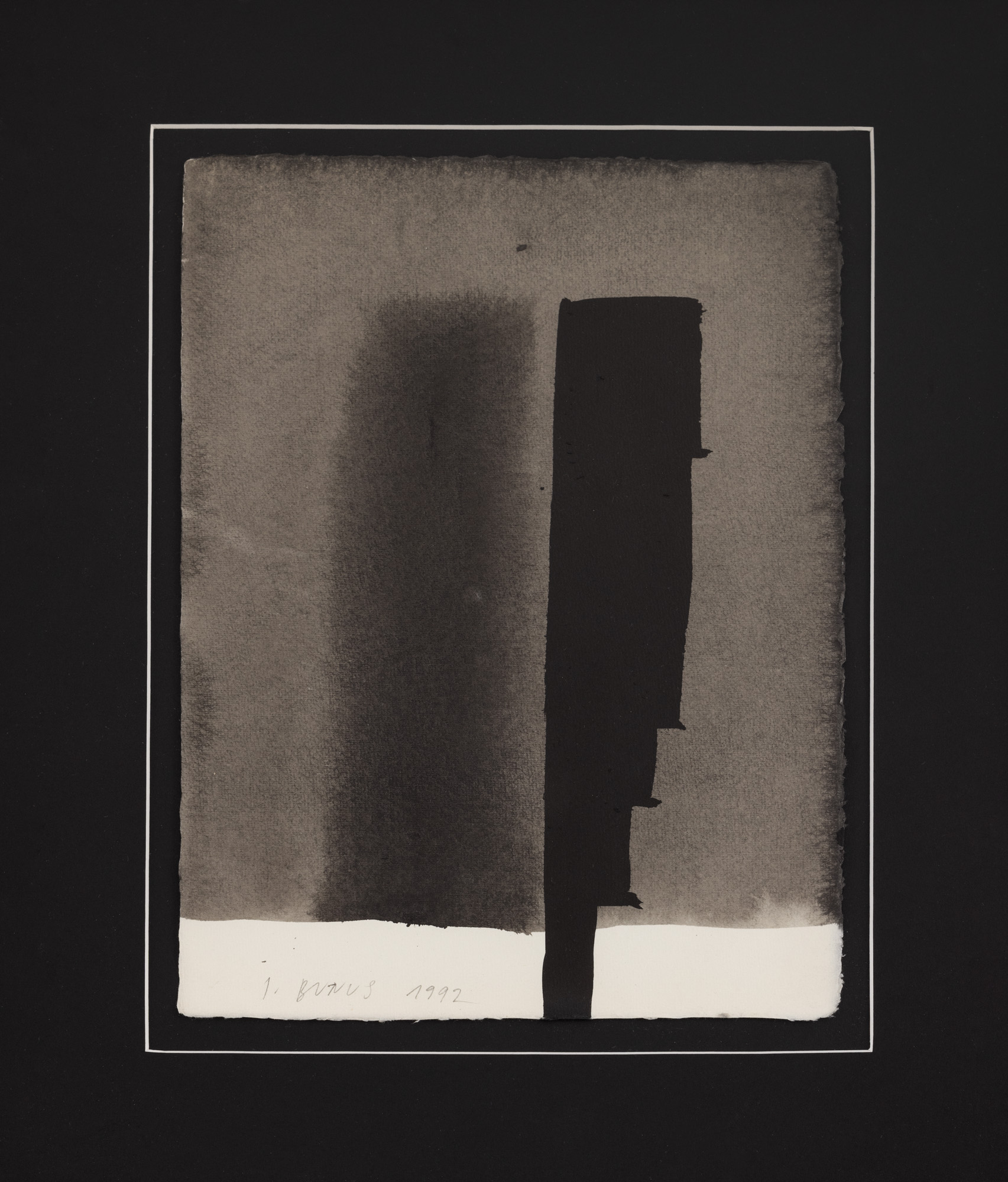
57. Monument [1992]

Ioan Bunuș

    Estimate: EUR 200 - 400
    Sold EUR 350
King of Pop

115. King of Pop [2019]

Obie Platon

    Estimate: EUR 8.000 - 12.000
    Not sold