

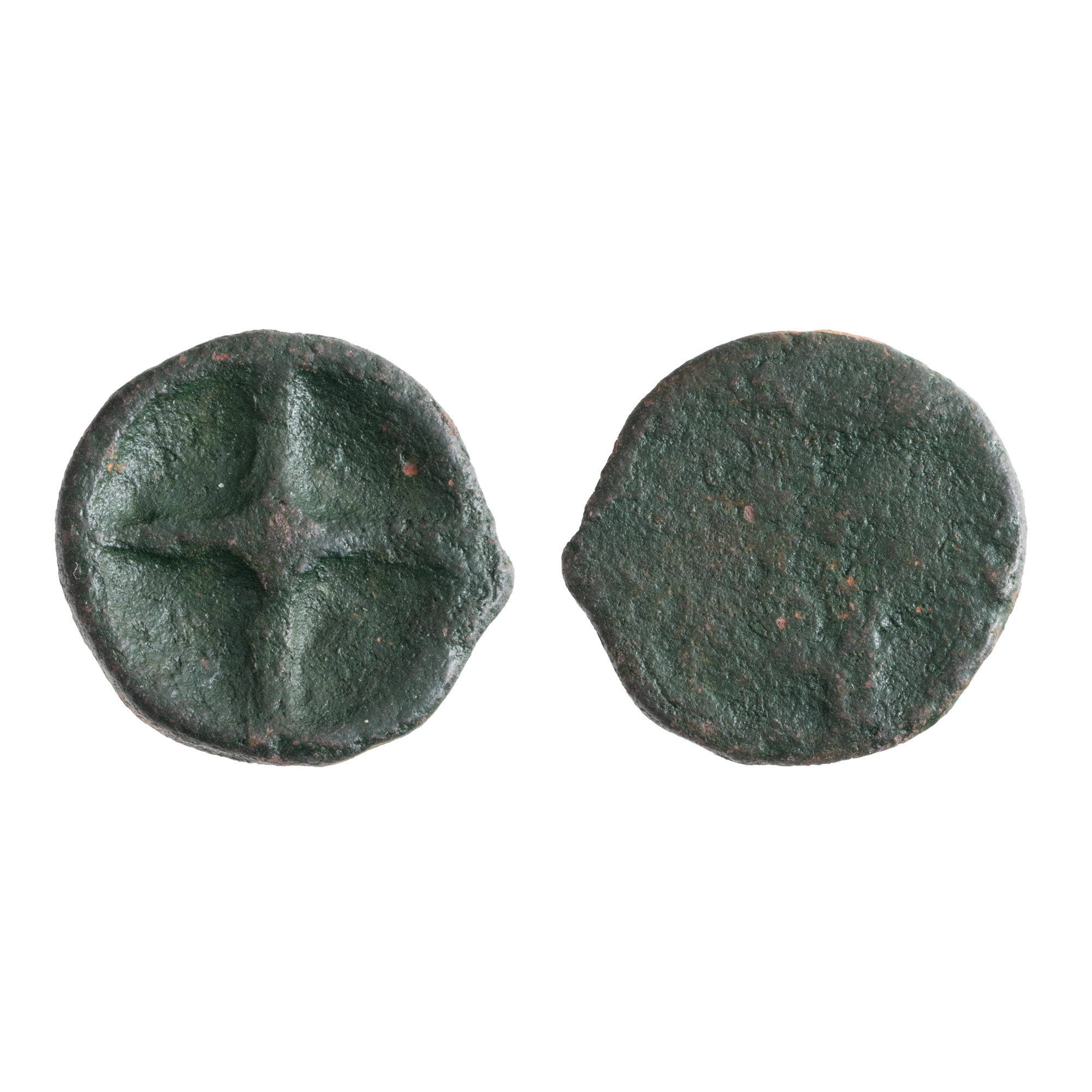
4C. "Premonetary sign of the type 'wheel', Histria, approx. 420-400 BCE."
The photos of the lot are informative and indicative, and cannot provide a highly detailed view of the object from all angles. We recommend a careful physical inspection of the lot before bidding.
4C. "Premonetary sign of the type 'wheel', Histria, approx. 420-400 BCE."
Starting price:
EUR 100
Sold
EUR 100
bronze, d=15 mm
Over 2,700 years ago, the founding of Greek cities on the Black Sea coast and the increase in exchanges with the local population led to the widespread appearance of premonetary bronze signs. These precursors to the coin, of different shapes, were produced by casting in Greek cities, intended to facilitate trade relations.
They have been dated by specialists like B.Pick (who compiled a catalog of Istrian coins) or C.Preda between the middle of the fifth century and the middle of the fourth century BC.. It is assumed that they were issued after the removal from circulation of the arrow tips and certainly used as a divisional coin for the silver drachmas. These coins, mostly made by casting, evidenced by the fact that some specimens still retain a small sprue remaining from the hole for the metal to drain into the mold, vary greatly in weight and diameter. Constantin Preda, in his work The History of Coin in Pre-Roman Dacia, classified them into five groups, depending on diameter and weight.
For clarifications regarding the bidding procedure, hammer price costs, guarantee, payment, and collection terms for the winning lot, we recommend carefully reading/re-reading the Bidding Regulations.
For additional information regarding the lot and the auction, please contact the Art Consultants Department.
SESSION
Similar lots
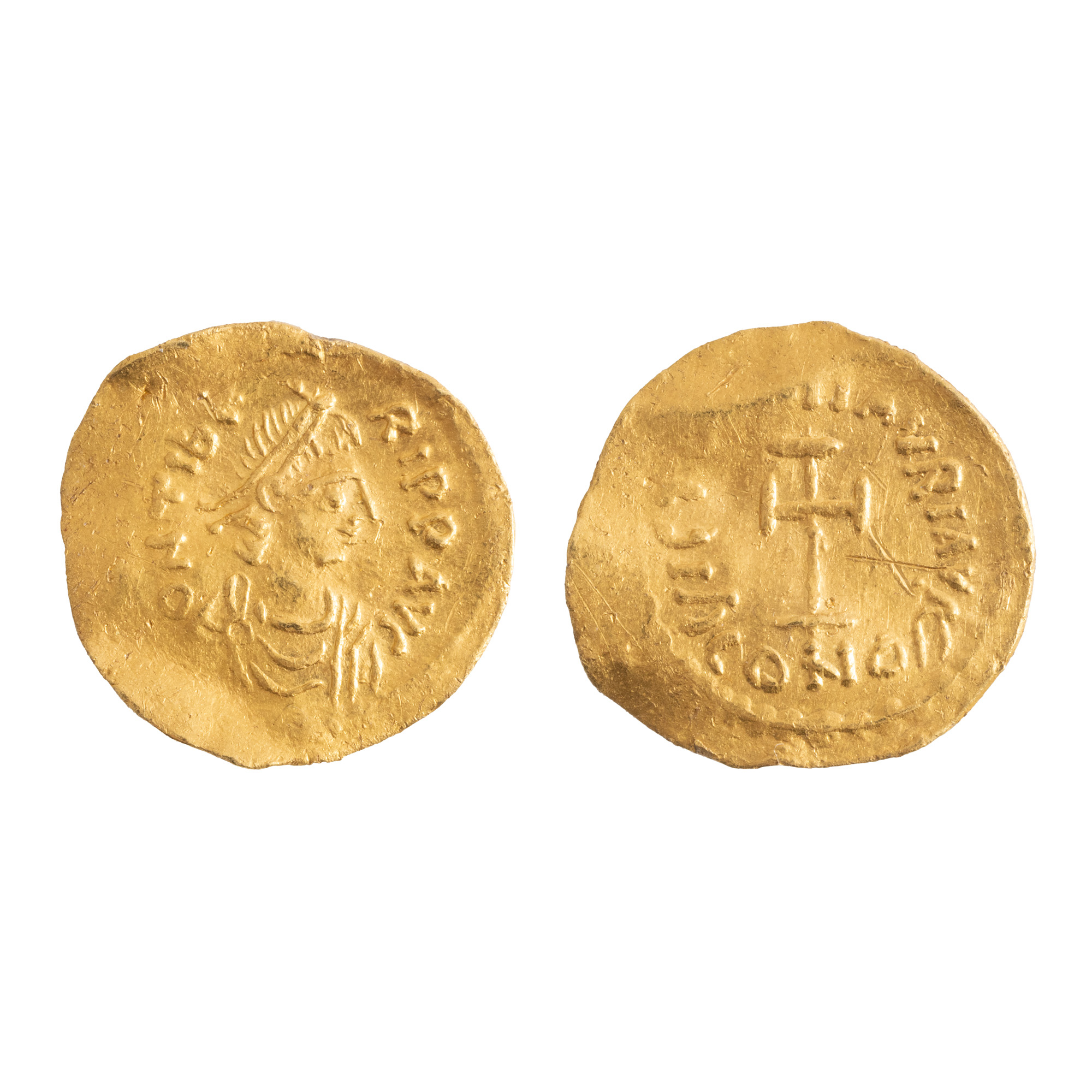
24C. Tremissis Coin, Mauricius Tiberius, Eastern Roman Empire, 582-602, Gold
Starting price:
EUR 600
Sold
EUR 600
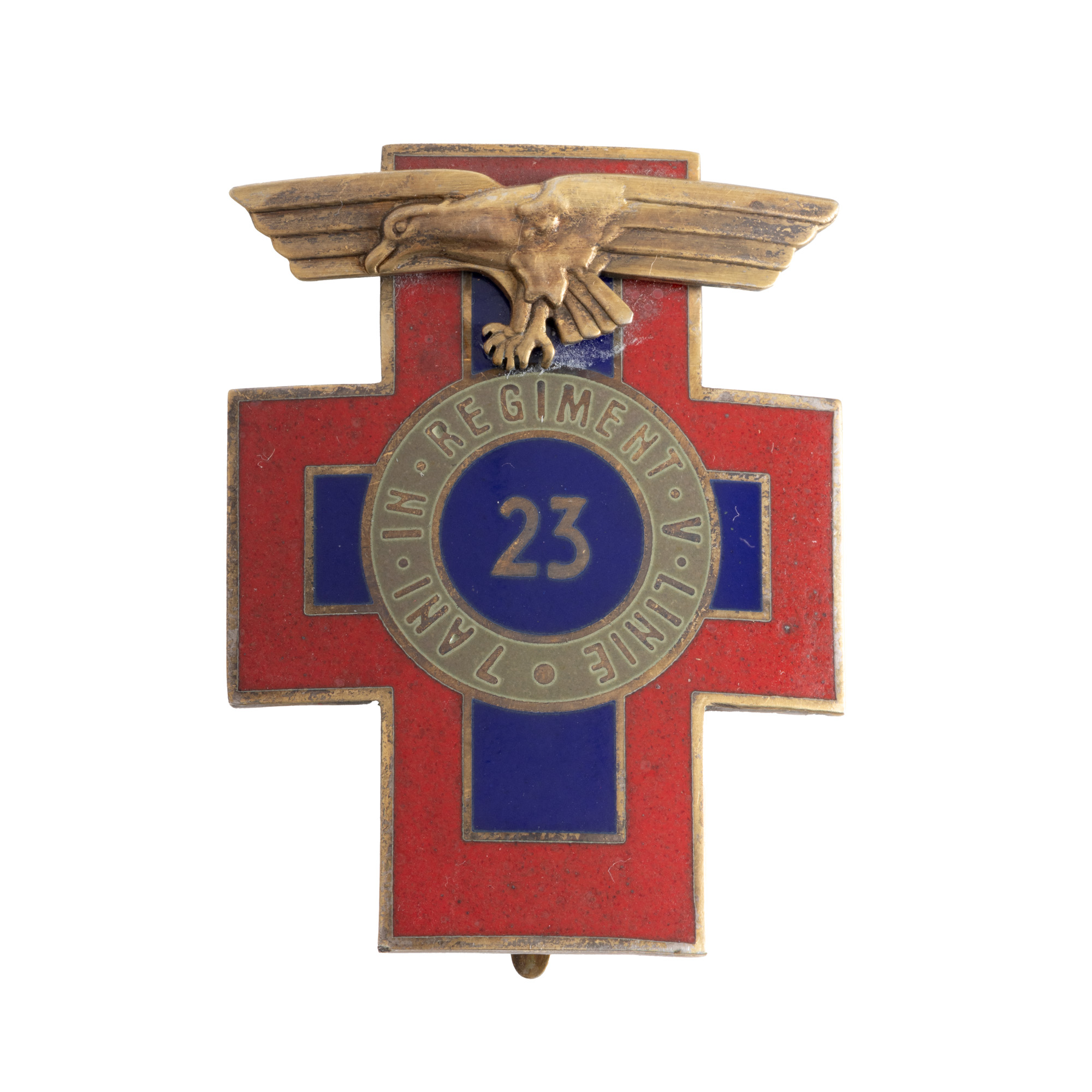
197. Insignia of the 23rd Line Regiment (Dorobanți) Ialomița, 7 years of service, for officers, silver
Starting price:
EUR 350
Sold
EUR 500