Meniu

English

Discover


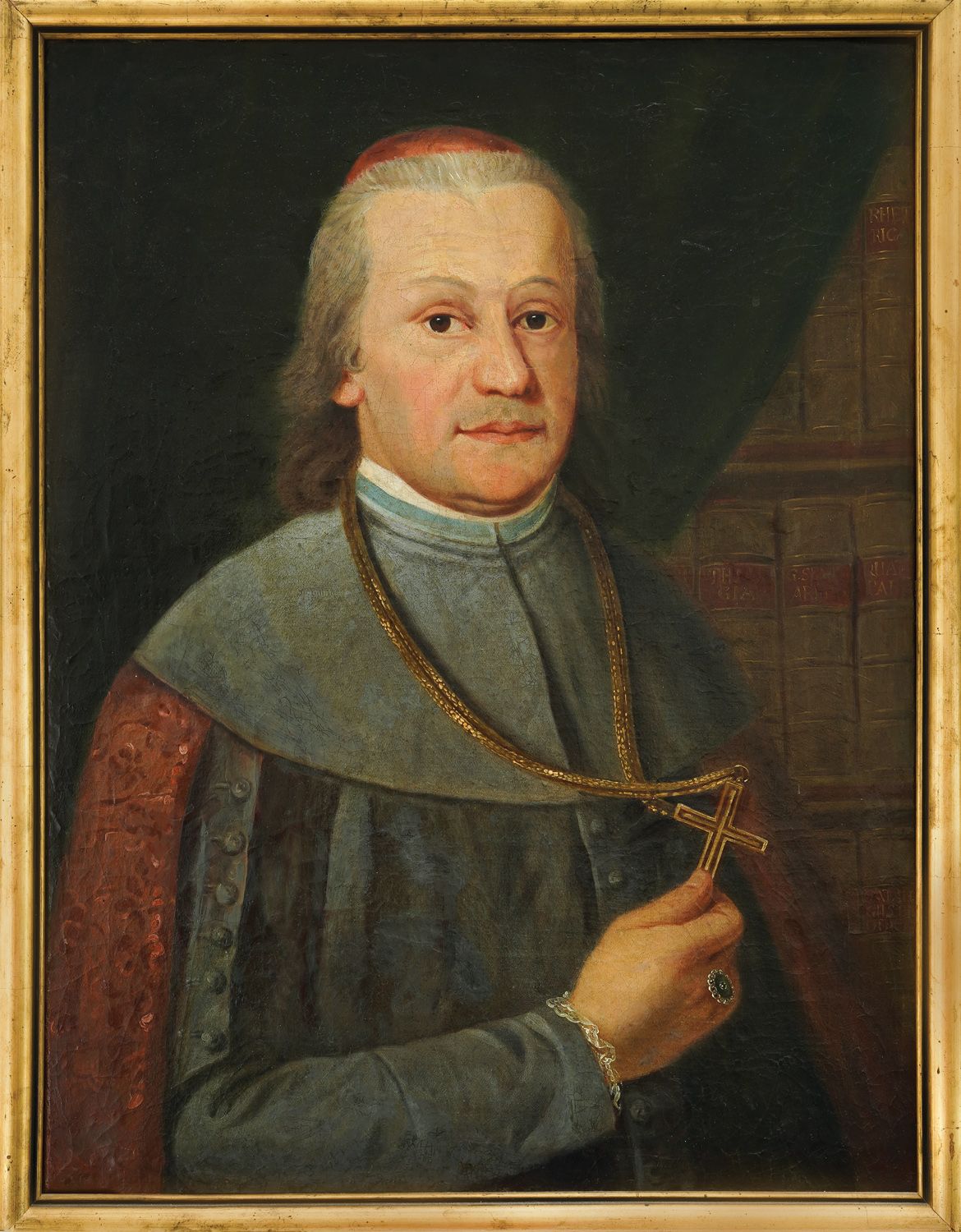
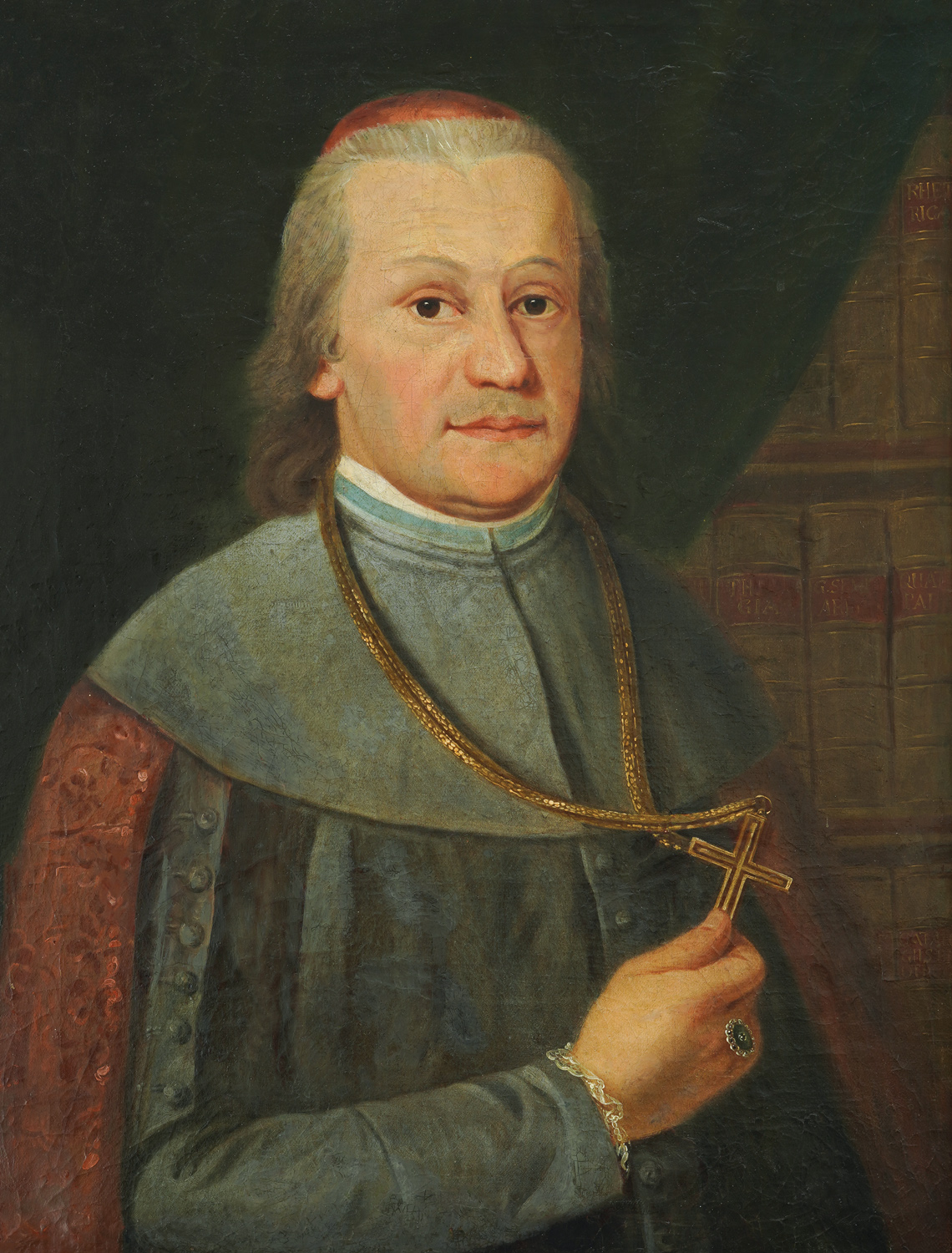
82. Bishop Maximilian Vrhovac [1810.-1830.]
The photos of the lot are informative and indicative, and cannot provide a highly detailed view of the object from all angles. We recommend a careful physical inspection of the lot before bidding.

82. Bishop Maximilian Vrhovac [1810.-1830.]


Estimate:
EUR 2.000 - 3.000

oil on canvas, 70 x 52 cm

Research information

Due to his prominent church and political status, Bishop Maximilian Vrhovac was the subject of an extensive series of official portraits commissioned during his lifetime, as well as posthumously, for the purpose of commemorating his lasting historical legacy. Among them, works such as the copperplate print by Anton Tischler published in Pest in 1788, which also represents his earliest known depiction, then the definitive official portrait painted by Achaz Gottlieb Rähmel in 1802, and a smaller portrait by Ferdinand Georg Waldmüller, stand out. Unlike these highly stylized institutional depictions, our portrait from the private collection of the Vrhovac family heirs depicts the bishop in a significantly more intimate setting. Placing him in the environment of his library, this canvas uniquely captures Vrhovac as a passionate book collector and reader of ancient classics, providing a rare insight into the intellectual life of this towering enlightenment figure.

PROVENANCE

Historical collection of the Vrhovac family, Zagreb; from the Bitelj heritage to the present owner.

Bishop Maksimilijan Vrhovac (1752 – 1827) was one of the most influential and enlightened religious, political and cultural leaders in Croatian history. He led the Archdiocese of Zagreb for a full four decades, from 1787 until his death. Appointed to that position at only thirty-five years old, he is remembered as the youngest ordinary in the history of the diocese, as well as the bishop with the longest term in that position. Throughout his long rule, Vrhovac skillfully directed the immense wealth and institutional influence of the Church into monumental civic and national projects, thereby laying the solid foundations for the development of modern Croatia. Decades before the Illyrian movement officially launched the Croatian National Revival, Vrhovac was already advocating for the unification of Croatian lands and actively resisting Magyarization. Recognizing that a common language was crucial for the survival of a nation, he bought a printing house in Zagreb in 1794 for the mass production of domestic literature, funded early orthographic research and initiated the project of translating the Bible into Croatian. In 1813, he sent a historic call to the clergy to collect folk oral treasures, songs and old books, thus becoming a pioneer in the preservation of Croatian cultural heritage. As a prominent enlightener, Vrhovac left an indelible mark on the urban and social life of Zagreb. His most famous material legacy is Maksimir Park, a vast episcopal forest that he visionarily transformed into one of the first major public parks in Europe, intended for the rest and leisure of all citizens. His philanthropic work also encompassed key public infrastructure; he funded the construction of the first public hospital in Zagreb, founded orphanages, and provided funds for major engineering interventions, such as the regulation of the Kupa River to enhance trade. Highly educated, politically lucid and connected with the intellectual circles of European Freemasonry, Vrhovac acted as a bridge between Enlightenment ideals and the awakening of Croatian national consciousness.

For clarifications regarding the bidding procedure, hammer price costs, guarantee, payment, and collection terms for the winning lot, we recommend carefully reading/re-reading the Bidding Regulations.

For additional information regarding the lot and the auction, please contact the Art Consultants Department.

SESSION
Thu, 15 October 2026, 19:00

Similar lots