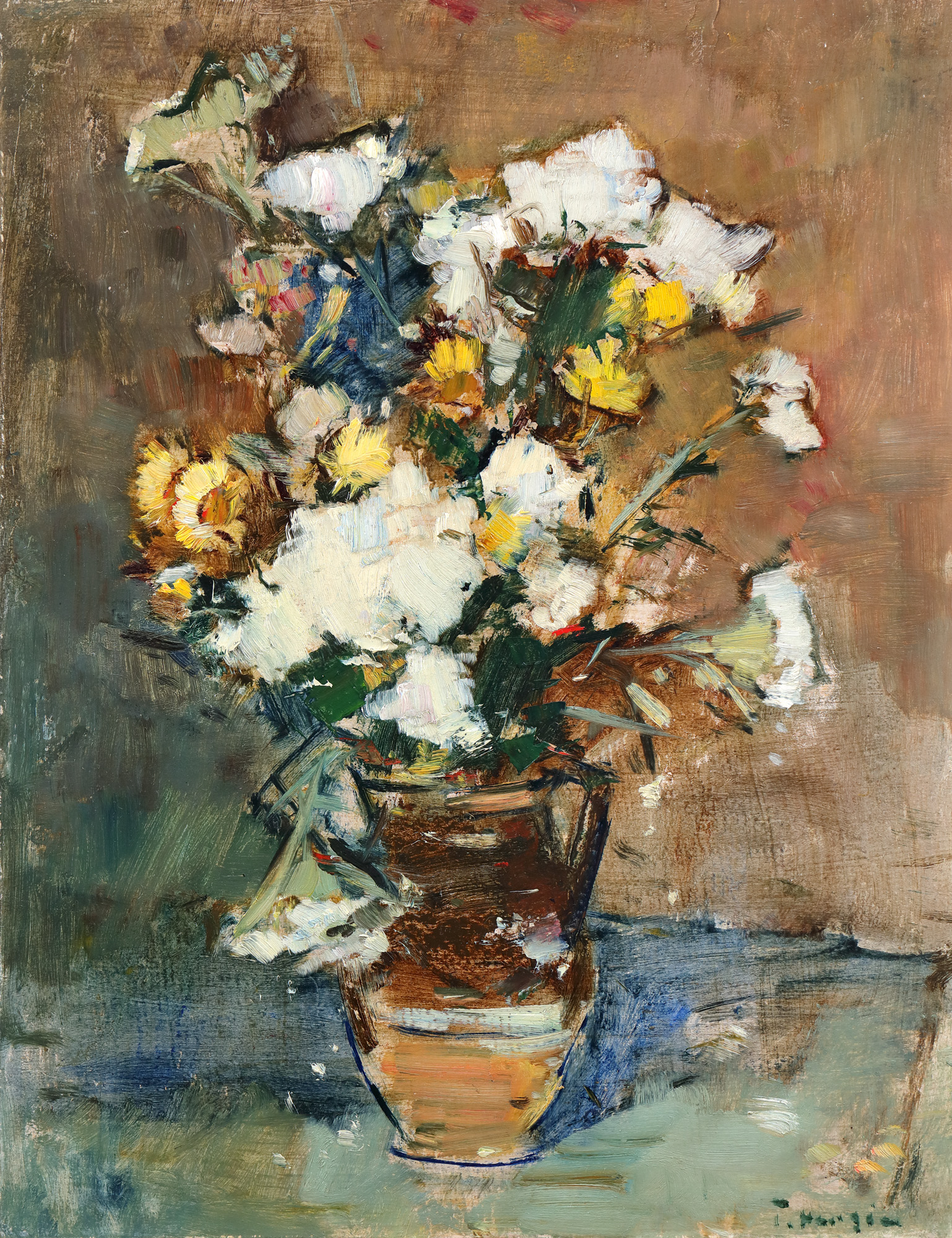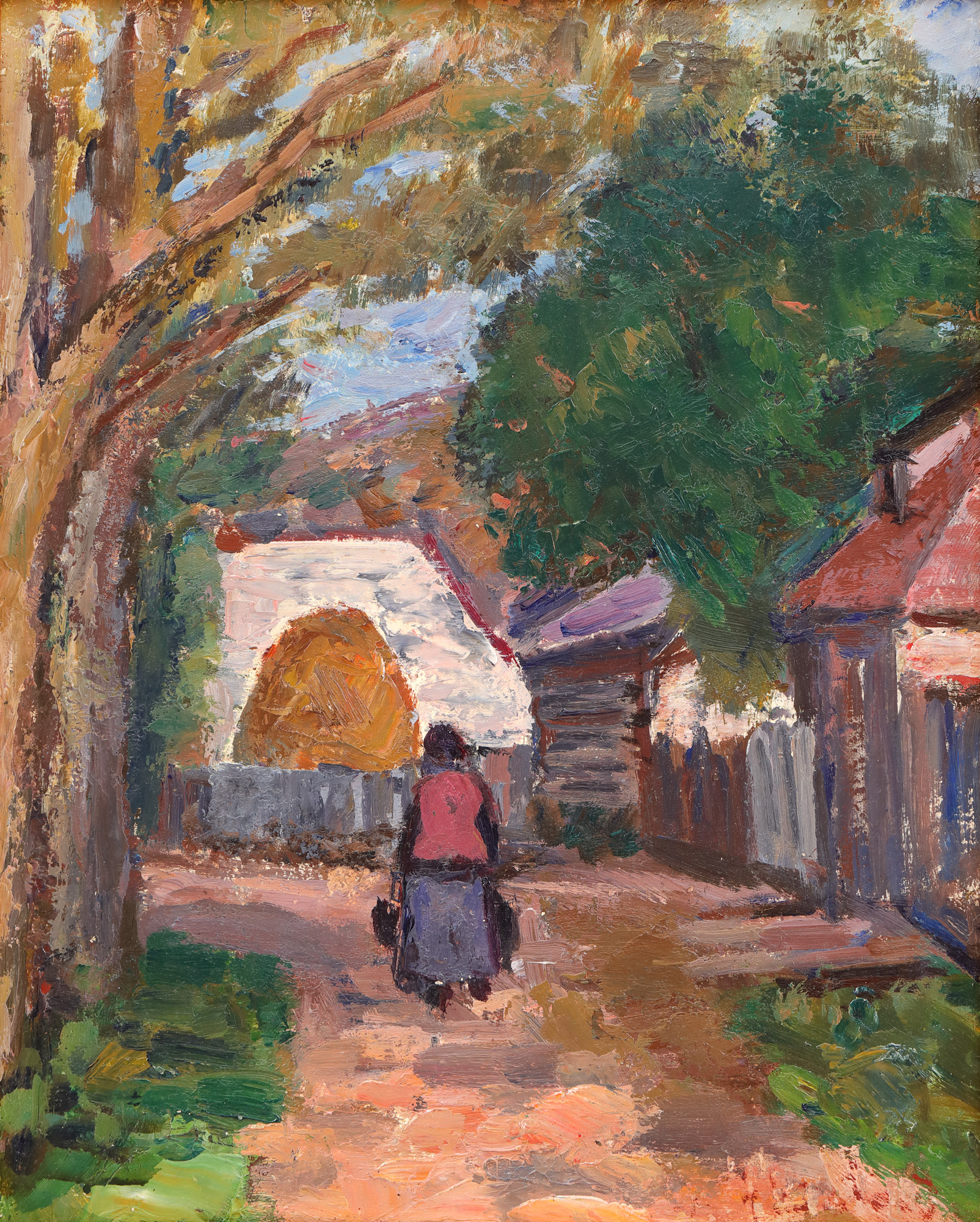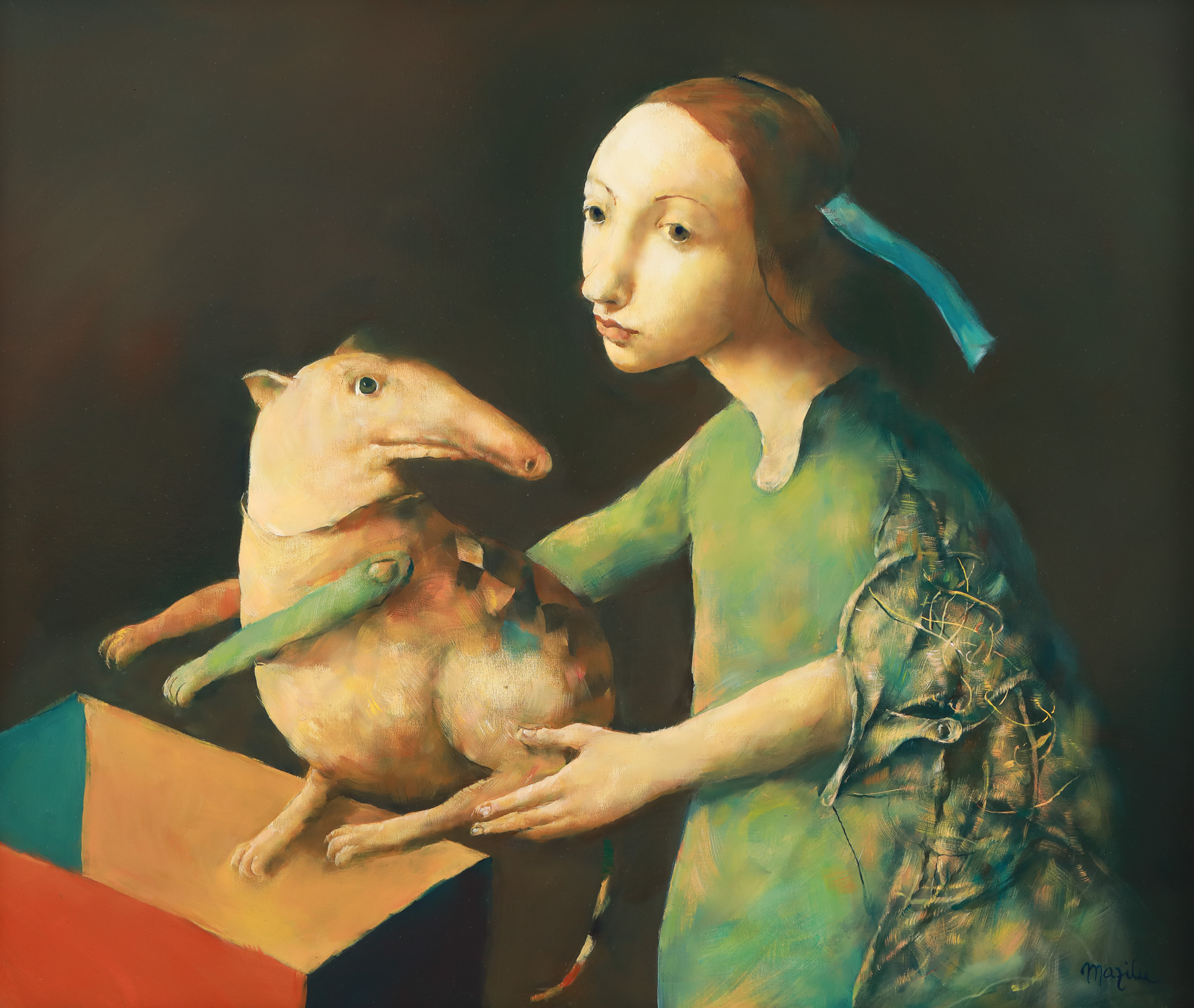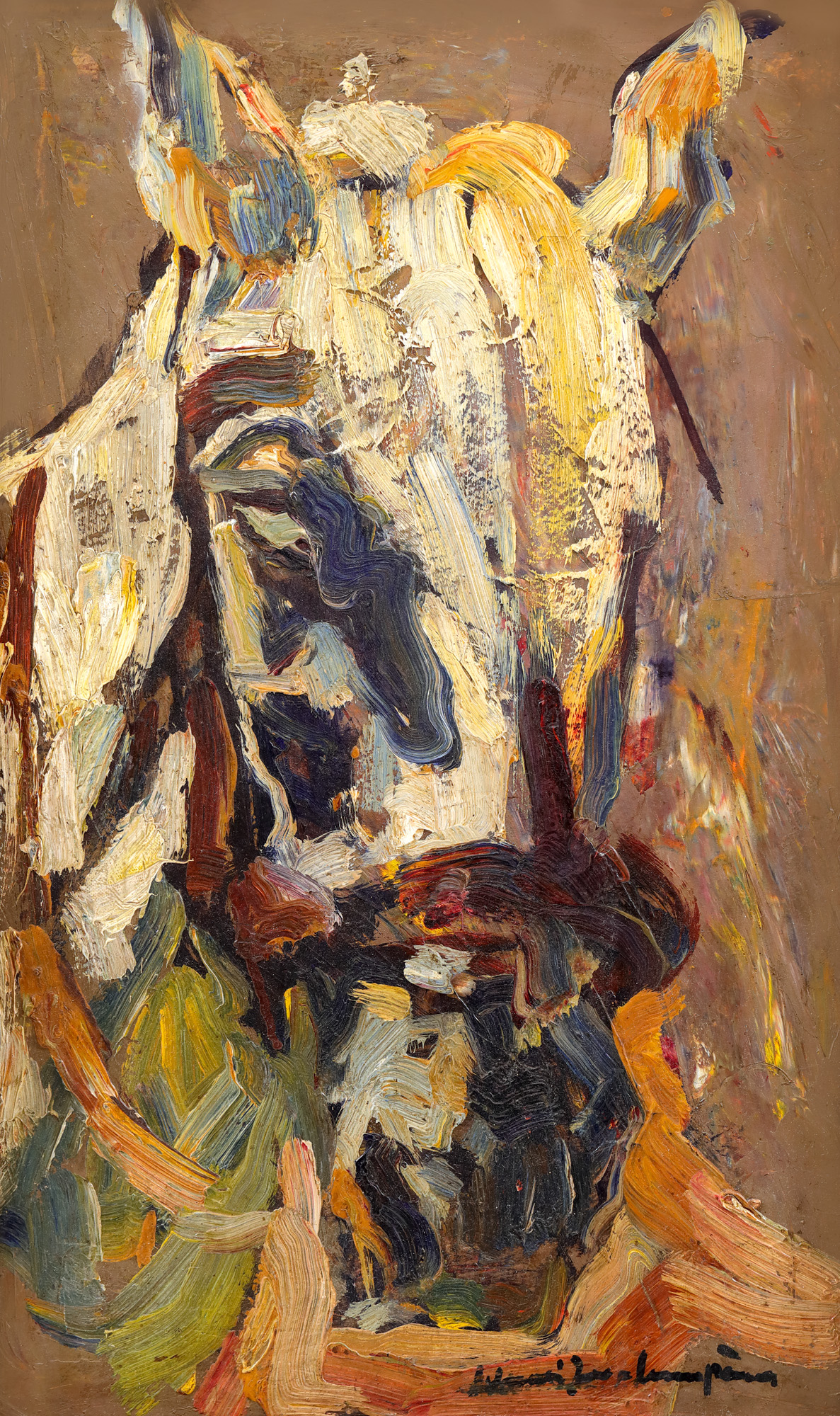

Fotografije parcele su informativne i indikativne te ne mogu pružiti vrlo detaljan prikaz objekta iz svih kutova. Preporučujemo pažljiv fizički pregled parcele prije licitiranja.
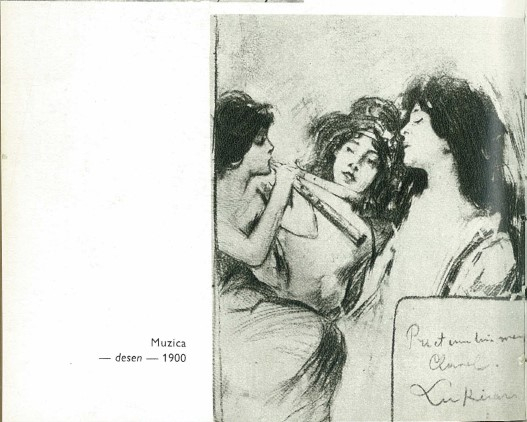
Although he is the son of a former major-commander of the Ştefăneşti garrison, Luchian will not follow the Infantry School courses, but will simultaneously study Fine Arts and Conservatory. The artist will learn to play the flute and at one point will join the troupe of the National Theater in the guise of a musician. The courses followed under the guidance of Theodor Aman or Gheorghe Tattarescu provide the necessary framework for acquiring prodigious knowledge in the art of drawing, knowledge that he will apply with religiosity in describing the features of his characters. He will study, therefore, the academic perspective of art, the same perspective he will encounter on his journeys through the capital of Bavaria. In Munich, he will make copies of the great masters exposed at the Old Pinacoteca - we mention here the transcription of Rembrandt's work, "The Holy Family", which will represent a revealing episode in his trajectory. In Munich he penetrates the musical circles of the time and assumes the position of flutist in the musical evenings. He performs J.S. Bach and W.A. Mozart and demonstrates full mastery of this instrument. He will then arrive in Paris, where he will discover a new cultural horizon, much more suited to his temperament. He will be influenced, during this period, by artists such as Degas or Manet, as well as by a series of Impressionist and Post-Impressionist works that he admires in various exhibitions.
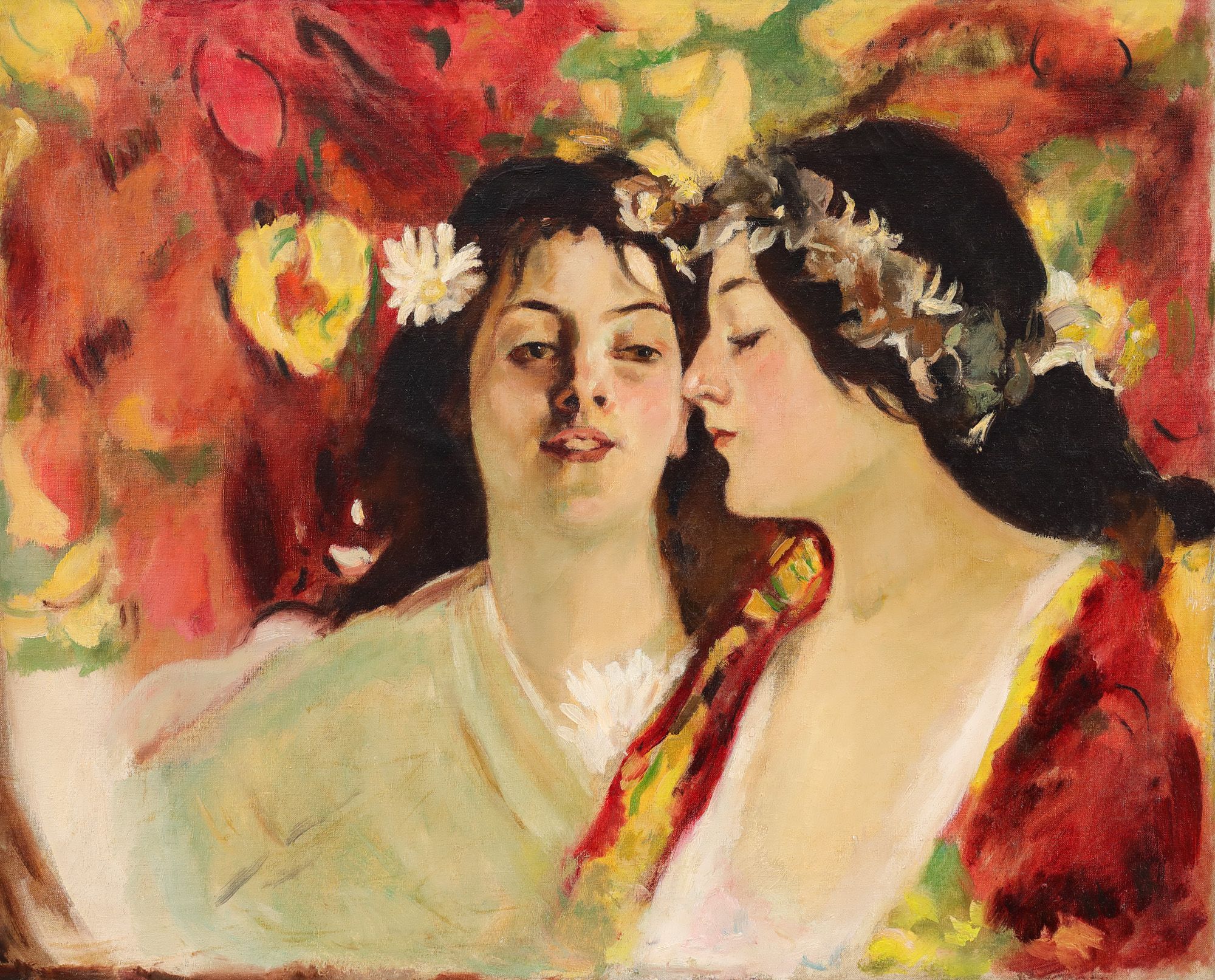
In the history of Romanian art, Luchian remains known as a virtuoso of the portrait. Among the most famous works of this kind we mention "Safta the Florist", which was ecstatic in the period. The main direction in his art will be the human being. From the beginning of his creation dates a series of portraits dedicated to his family members, executed either by model or by photographs. We mention here the works dedicated to his mother, whom he places in the middle of the rural landscapes, with the body stretched out on the grass, or whom he sketches the features in portraits. He equally expresses faces that he encounters in his daily existence, but also villagers, florists or nomads. However, the musicality of his plastic work is mainly reflected in the feminine features and faces. Most of the time he portrays elegant, mysterious, graceful women who seem to "pose", with obvious influences of French Impressionism. The artist also stands out in self-portraits, where he adopts a more sober palette and focuses on rendering serious shadows. Remarkable will also be his decorative panels, allegories of the seasons, representing female incarnations that the artist attributes various lyrical valences. The stylistic-ornamental influence of the Art Nouveau movement is notable in these works. Also during this period (1897-1900), due to his not very satisfactory financial situation, Ștefan Luchian will associate with Constantin Artachino (and other painters) to paint various churches in Tulcea, Alexandria and Bucharest. Although the disease with which he had been diagnosed was increasingly affecting his daily life, the artist continued to be an active participant in the cultural life of the capital. He frequently participates in the literary circle of the poet Alexandru Macedonski, at the famous exhibitions of living artists, but also joins the list of members of the "Ileana" society. At the first exhibition of this society, in 1898, Luchian exhibited 20 works, highly acclaimed by some critics. Also, the drawings that appeared on the cover of the magazine were also executed by the artist, in the same graphic manner specific to the Art Nouveau style. The present work, probably executed in the period 1897-1899, is a variant of a decorative painting that Ştefan Luchian made for the home of Victor Antonescu, director of the BNR at the time. The graphics and the long, sinuous line, in the shape of flowers, birds or insects, best describe the technique adopted by the artist in the realization of the work. Reduced to symbolic load, the work becomes representative for the artist's creative sensitivity. The two female muses not only represent an allegory of a season, but undoubtedly carry the entire spring in their hairs and robes. The loose black hair, crowned with white and pink flowers, but also the colored dresses, also decorated with floral motifs, place the two protagonists in a dreamy universe, where the background becomes, in turn, a metaphor. The intermingling and prefiguring of the two elements - human and plant - will result in a composition of special value. Vibrant shades predominate, especially red and ochre with their specific declines. Captured both frontally and laterally, Luchian's muses reiterate the artist's love for life and beauty.
Literatura
LASSAIGNE, Jacques, "Ștefan Luchian", Meridiane Publishing House, Bucharest, 1972.
CIUCĂ, Valentin, "Following the footsteps of Ștefan Luchian", Pim Publishing House, Iasi, 2016.
Dimenzije
width 77 cm, height 61.5 cm
Opis
oil on canvas
Informacije o istraživanju
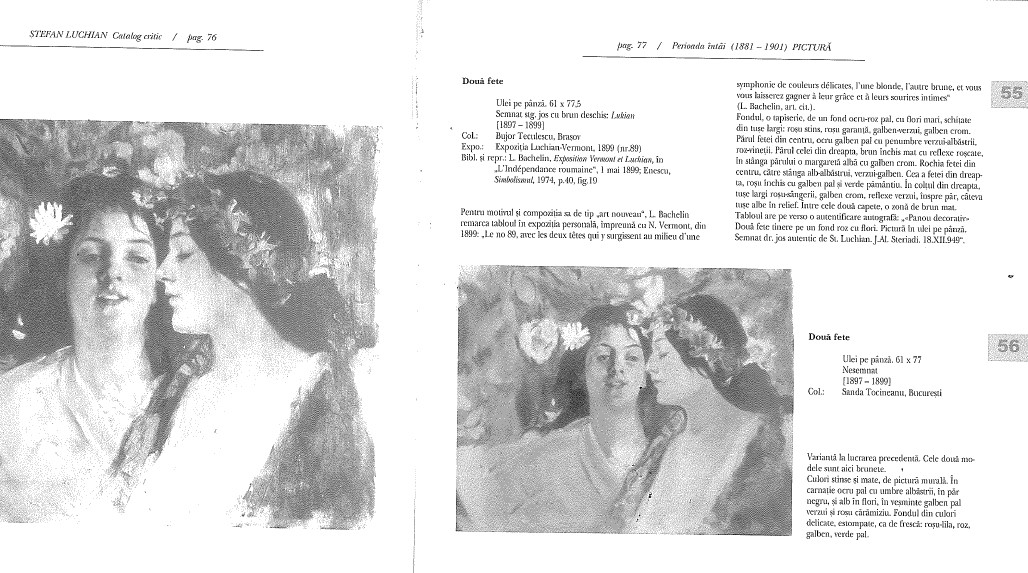
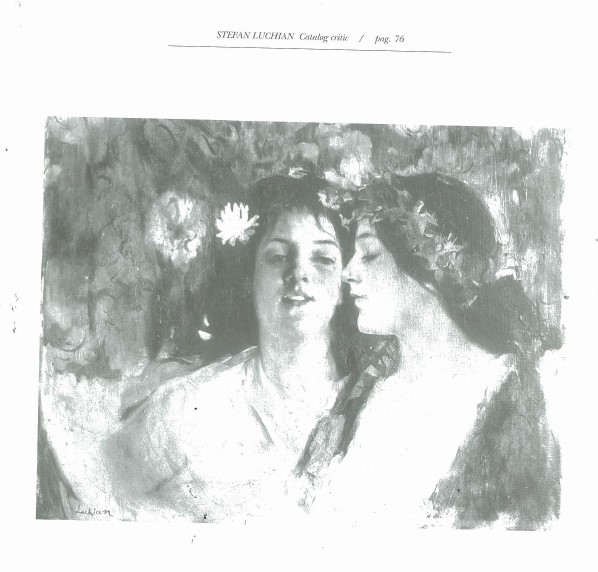
The artwork is documented and reproduced in "Luchian. Critical Catalog", Theodor Enescu, ICR, Bucharest, 2007, on page 77, cat. 56.
The artwork is reproduced in "Life as a Passion", Vasile Parizescu, Official Monitor, Bucharest, 2012 on page 499.
Izlasci
1897-1899
PODRIJETLO
Dr. Alexandru Vlădescu's lawyer collection; Ana de Sallem's collection;
from 1952, Sanda Tocineanu's collection, daughter of the Vlădescu couple;
from 1975, Dumitru Burada's collection, Sanda Tocineanu's second husband;
from 1996, private collection, Germany.
DODATNE INFORMACIJE
Za pojašnjenja u vezi s postupkom licitiranja, troškovima kupnje, uvjetima jamstva, plaćanja i preuzimanja osvojenog lota preporučujemo da pažljivo pročitate/ponovno pročitate Pravilnik o licitiranju.
Although he is the son of a former major-commander of the Ştefăneşti garrison, Luchian will not follow the Infantry School courses, but will simultaneously study Fine Arts and Conservatory. The artist will learn to play the flute and at one point will join the troupe of the National Theater in the guise of a musician. The courses followed under the guidance of Theodor Aman or Gheorghe Tattarescu provide the necessary framework for acquiring prodigious knowledge in the art of drawing, knowledge that he will apply with religiosity in describing the features of his characters. He will study, therefore, the academic perspective of art, the same perspective he will encounter on his journeys through the capital of Bavaria. In Munich, he will make copies of the great masters exposed at the Old Pinacoteca - we mention here the transcription of Rembrandt's work, "The Holy Family", which will represent a revealing episode in his trajectory. In Munich he penetrates the musical circles of the time and assumes the position of flutist in the musical evenings. He performs J.S. Bach and W.A. Mozart and demonstrates full mastery of this instrument. He will then arrive in Paris, where he will discover a new cultural horizon, much more suited to his temperament. He will be influenced, during this period, by artists such as Degas or Manet, as well as by a series of Impressionist and Post-Impressionist works that he admires in various exhibitions.
In the history of Romanian art, Luchian remains known as a virtuoso of the portrait. Among the most famous works of this kind we mention "Safta the Florist", which was ecstatic in the period. The main direction in his art will be the human being. From the beginning of his creation dates a series of portraits dedicated to his family members, executed either by model or by photographs. We mention here the works dedicated to his mother, whom he places in the middle of the rural landscapes, with the body stretched out on the grass, or whom he sketches the features in portraits. He equally expresses faces that he encounters in his daily existence, but also villagers, florists or nomads. However, the musicality of his plastic work is mainly reflected in the feminine features and faces. Most of the time he portrays elegant, mysterious, graceful women who seem to "pose", with obvious influences of French Impressionism. The artist also stands out in self-portraits, where he adopts a more sober palette and focuses on rendering serious shadows. Remarkable will also be his decorative panels, allegories of the seasons, representing female incarnations that the artist attributes various lyrical valences. The stylistic-ornamental influence of the Art Nouveau movement is notable in these works. Also during this period (1897-1900), due to his not very satisfactory financial situation, Ștefan Luchian will associate with Constantin Artachino (and other painters) to paint various churches in Tulcea, Alexandria and Bucharest. Although the disease with which he had been diagnosed was increasingly affecting his daily life, the artist continued to be an active participant in the cultural life of the capital. He frequently participates in the literary circle of the poet Alexandru Macedonski, at the famous exhibitions of living artists, but also joins the list of members of the "Ileana" society. At the first exhibition of this society, in 1898, Luchian exhibited 20 works, highly acclaimed by some critics. Also, the drawings that appeared on the cover of the magazine were also executed by the artist, in the same graphic manner specific to the Art Nouveau style. The present work, probably executed in the period 1897-1899, is a variant of a decorative painting that Ştefan Luchian made for the home of Victor Antonescu, director of the BNR at the time. The graphics and the long, sinuous line, in the shape of flowers, birds or insects, best describe the technique adopted by the artist in the realization of the work. Reduced to symbolic load, the work becomes representative for the artist's creative sensitivity. The two female muses not only represent an allegory of a season, but undoubtedly carry the entire spring in their hairs and robes. The loose black hair, crowned with white and pink flowers, but also the colored dresses, also decorated with floral motifs, place the two protagonists in a dreamy universe, where the background becomes, in turn, a metaphor. The intermingling and prefiguring of the two elements - human and plant - will result in a composition of special value. Vibrant shades predominate, especially red and ochre with their specific declines. Captured both frontally and laterally, Luchian's muses reiterate the artist's love for life and beauty.
DODATNE INFORMACIJE
Za pojašnjenja u vezi s postupkom licitiranja, troškovima kupnje, uvjetima jamstva, plaćanja i preuzimanja osvojenog lota preporučujemo da pažljivo pročitate/ponovno pročitate Pravilnik o licitiranju.
LASSAIGNE, Jacques, "Ștefan Luchian", Meridiane Publishing House, Bucharest, 1972.
CIUCĂ, Valentin, "Following the footsteps of Ștefan Luchian", Pim Publishing House, Iasi, 2016.
Dimenzije
width 77 cm, height 61.5 cm
Opis
oil on canvas
Informacije o istraživanju
The artwork is documented and reproduced in "Luchian. Critical Catalog", Theodor Enescu, ICR, Bucharest, 2007, on page 77, cat. 56.
The artwork is reproduced in "Life as a Passion", Vasile Parizescu, Official Monitor, Bucharest, 2012 on page 499.
Izlasci
1897-1899
PODRIJETLO
Dr. Alexandru Vlădescu's lawyer collection; Ana de Sallem's collection;
from 1952, Sanda Tocineanu's collection, daughter of the Vlădescu couple;
from 1975, Dumitru Burada's collection, Sanda Tocineanu's second husband;
from 1996, private collection, Germany.