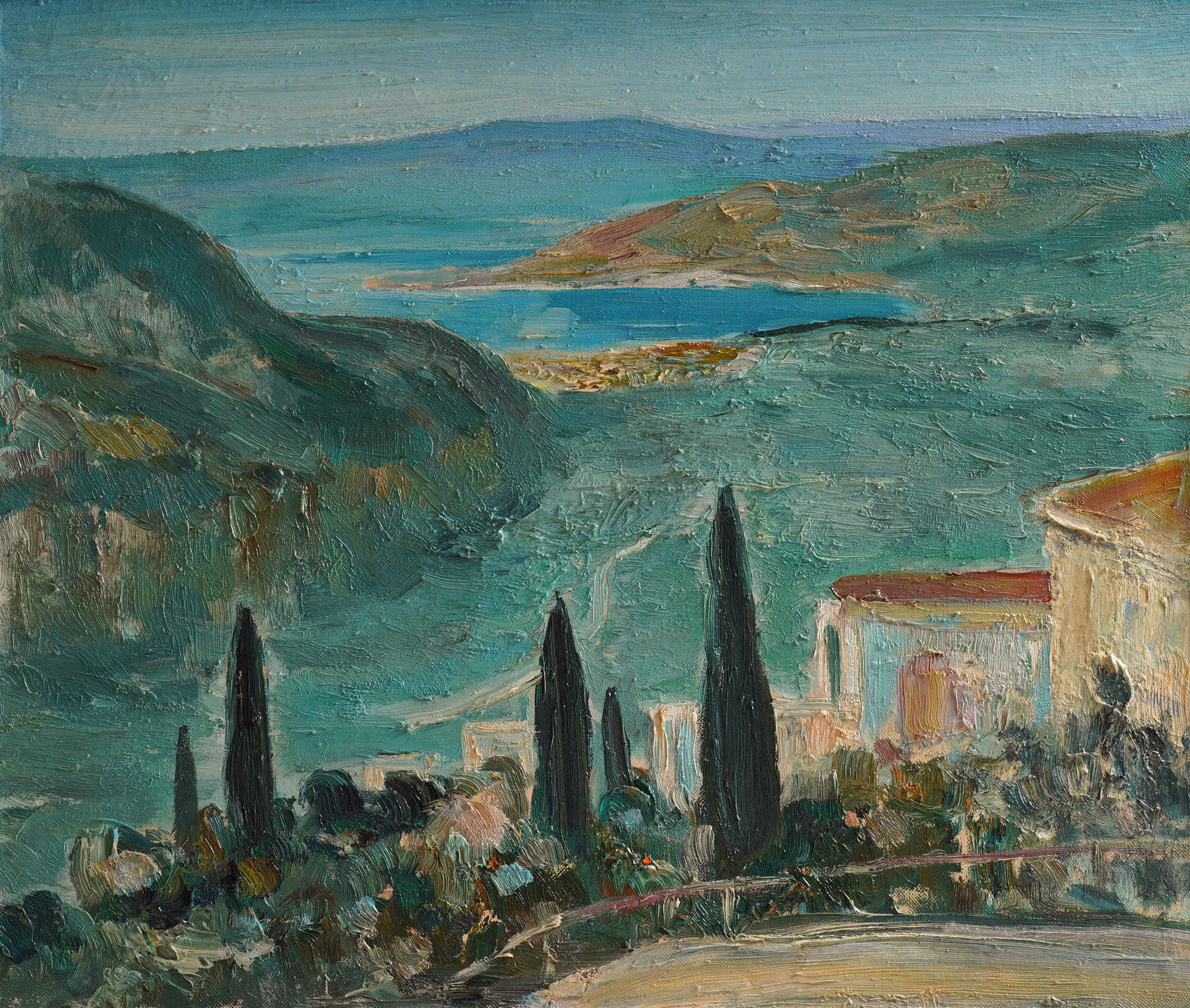
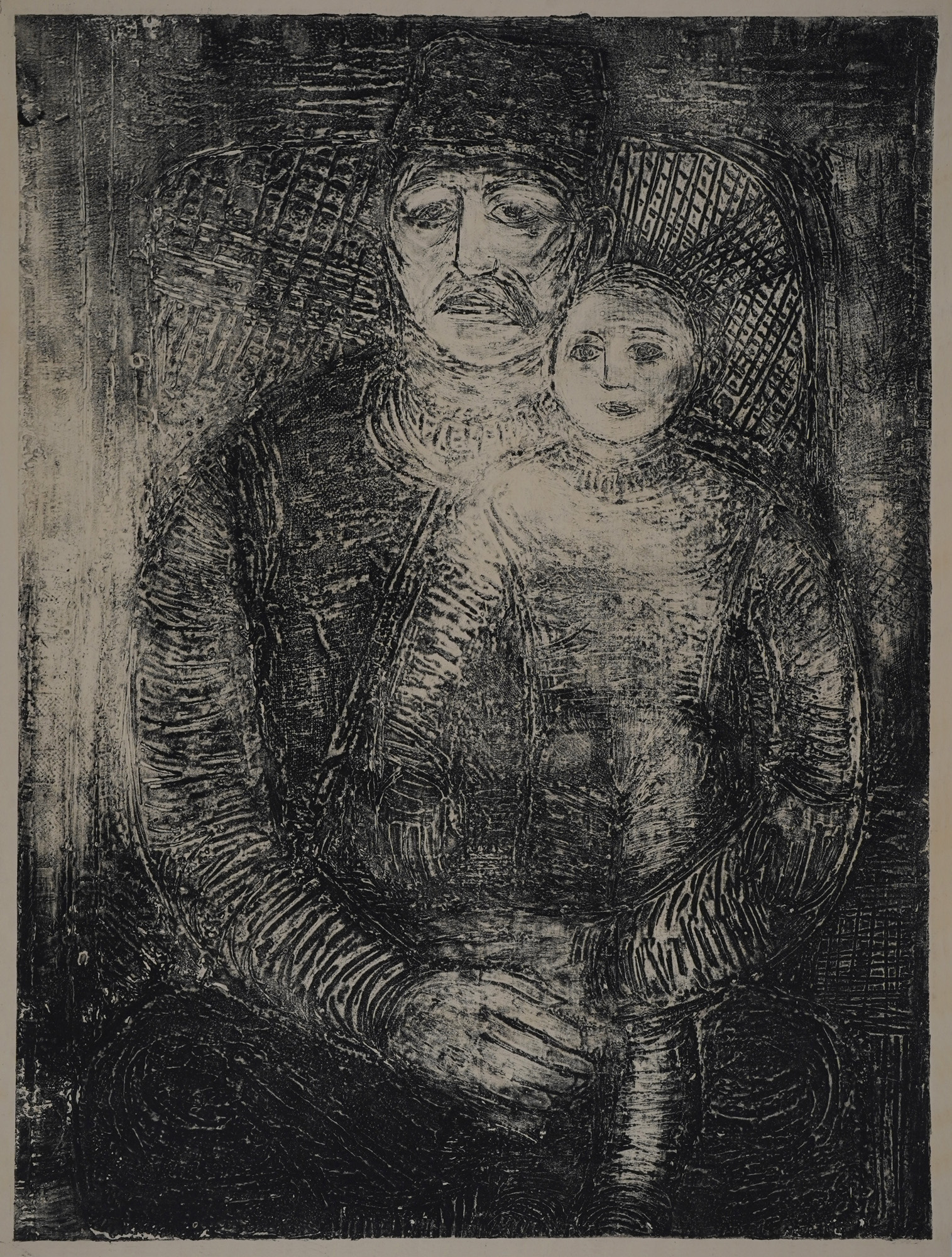
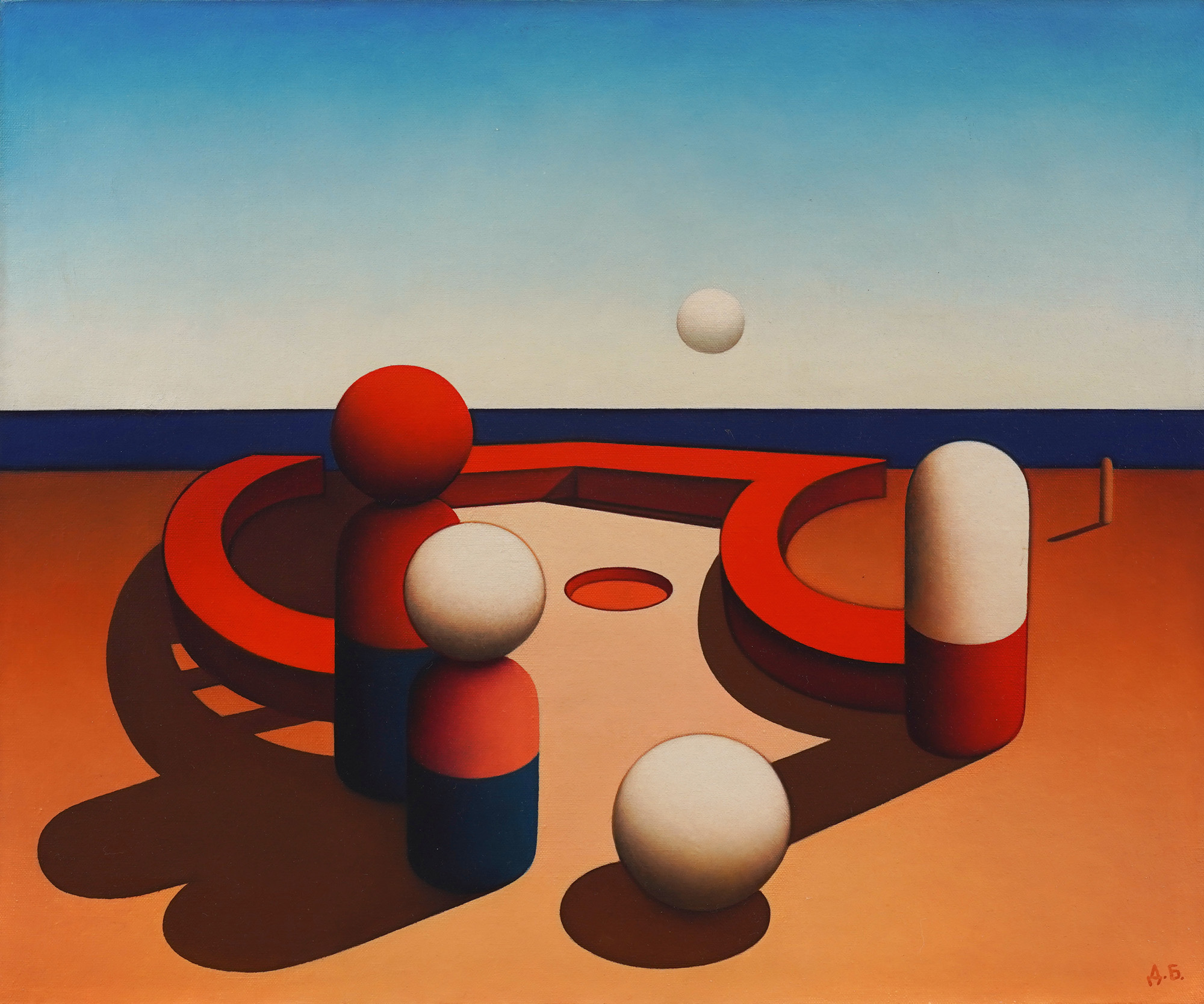
Fotografije parcele su informativne i indikativne te ne mogu pružiti vrlo detaljan prikaz objekta iz svih kutova. Preporučujemo pažljiv fizički pregled parcele prije licitiranja.
Fotografije parcele su informativne i indikativne te ne mogu pružiti vrlo detaljan prikaz objekta iz svih kutova. Preporučujemo pažljiv fizički pregled parcele prije licitiranja.
Jaroslav Vešin was born in 1860 in Vraní, Czech Republic. He studied at the oldest art college in the country - the Academy of Fine Arts in Prague. There, Veshin was educated on classical forms, but the real inspiration for the artist came from his contact with the high achievements of Czech artists of the period such as Josef Manes (1820-1871), Sobeslav Pinkas (1827-1901) and others. In 1880 he went to study at the Academy of Fine Arts in Munich under Prof. Karl Piloti and Josef Brandt. Brand had an extremely strong influence on Yaroslav Veshin's attitude to domestic painting. A year later, Vešin went to Slovakia, refusing his military service in the regiment. There, his interest in folk life and culture developed in the broadest spectrum: "Here he was attracted by the unusual for him sincerity, hospitality and warmth of the Slovak people." . After his return to Munich, Veshin continues to be excited about the themes and plots from Slovakia. Until coming to Bulgaria in 1897, Yaroslav lived in Munich, returning to Slovakia every year. In this way, it collects many interesting Slovak images, plots and impressions. "The life of Slovakia and Moravia, with its better-preserved national image, interested all Czech artists at that time, who were vividly moved by the question of national self-determination." The artist is interested in presenting the folk type, in sympathy for him, often even idealizing him. In Veshin's work from the period, we also find extremely cheerful images that give the feeling of freedom and love for life. Yaroslav also pays great attention to folk clothes. He portrays the characters in characteristic costumes laden with embroidery, which are distinguished by a special detail and a characteristic color. This is also evident in the painting "Will it rain?", in which in the foreground is a man dressed in an authentic costume for the given region, behind him in the cart with the horses is his family, which also stands out with a distinctive color in the clothes. The feelings that we perceive in the work - of cohesion and harmony between the family, reveal the warm feelings of the author towards the subject.
Tsoncheva, Mara (1955). Yaroslav Veshin, life and work. Sofia, Bulgarian artist Publisher
Dimenzije
width 40 cm, height 60 cm
Opis
oil on canvas, signed bottom right, in brown, "Yaroslav-Veshin, Meh"
Izlasci
cca. 1890
DODATNE INFORMACIJE
Za pojašnjenja u vezi s postupkom licitiranja, troškovima kupnje, uvjetima jamstva, plaćanja i preuzimanja osvojenog lota preporučujemo da pažljivo pročitate/ponovno pročitate Pravilnik o licitiranju.
Jaroslav Vešin was born in 1860 in Vraní, Czech Republic. He studied at the oldest art college in the country - the Academy of Fine Arts in Prague. There, Veshin was educated on classical forms, but the real inspiration for the artist came from his contact with the high achievements of Czech artists of the period such as Josef Manes (1820-1871), Sobeslav Pinkas (1827-1901) and others. In 1880 he went to study at the Academy of Fine Arts in Munich under Prof. Karl Piloti and Josef Brandt. Brand had an extremely strong influence on Yaroslav Veshin's attitude to domestic painting. A year later, Vešin went to Slovakia, refusing his military service in the regiment. There, his interest in folk life and culture developed in the broadest spectrum: "Here he was attracted by the unusual for him sincerity, hospitality and warmth of the Slovak people." . After his return to Munich, Veshin continues to be excited about the themes and plots from Slovakia. Until coming to Bulgaria in 1897, Yaroslav lived in Munich, returning to Slovakia every year. In this way, it collects many interesting Slovak images, plots and impressions. "The life of Slovakia and Moravia, with its better-preserved national image, interested all Czech artists at that time, who were vividly moved by the question of national self-determination." The artist is interested in presenting the folk type, in sympathy for him, often even idealizing him. In Veshin's work from the period, we also find extremely cheerful images that give the feeling of freedom and love for life. Yaroslav also pays great attention to folk clothes. He portrays the characters in characteristic costumes laden with embroidery, which are distinguished by a special detail and a characteristic color. This is also evident in the painting "Will it rain?", in which in the foreground is a man dressed in an authentic costume for the given region, behind him in the cart with the horses is his family, which also stands out with a distinctive color in the clothes. The feelings that we perceive in the work - of cohesion and harmony between the family, reveal the warm feelings of the author towards the subject.
Tsoncheva, Mara (1955). Yaroslav Veshin, life and work. Sofia, Bulgarian artist Publisher
DODATNE INFORMACIJE
Za pojašnjenja u vezi s postupkom licitiranja, troškovima kupnje, uvjetima jamstva, plaćanja i preuzimanja osvojenog lota preporučujemo da pažljivo pročitate/ponovno pročitate Pravilnik o licitiranju.