
Meniu

Hrvatski

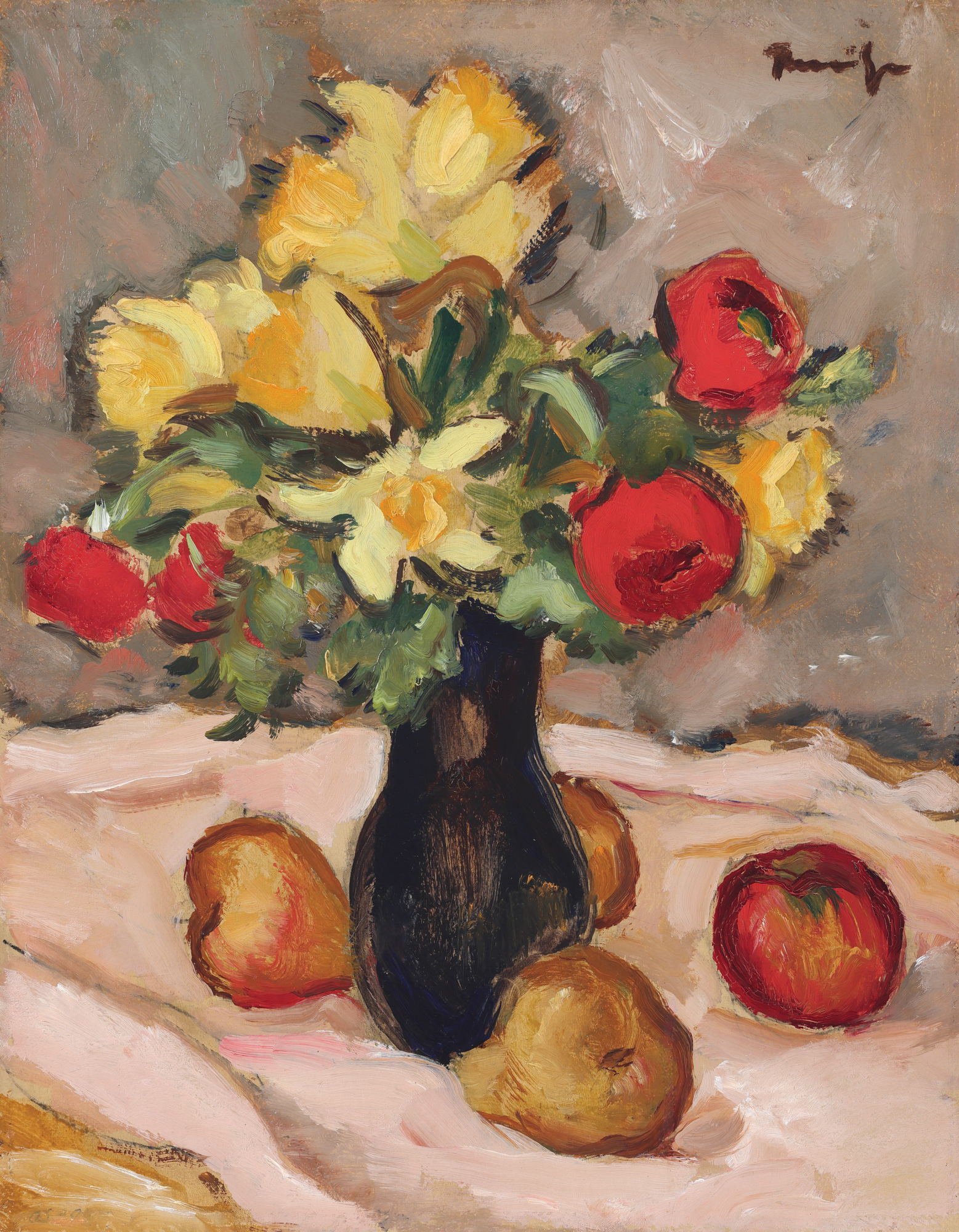
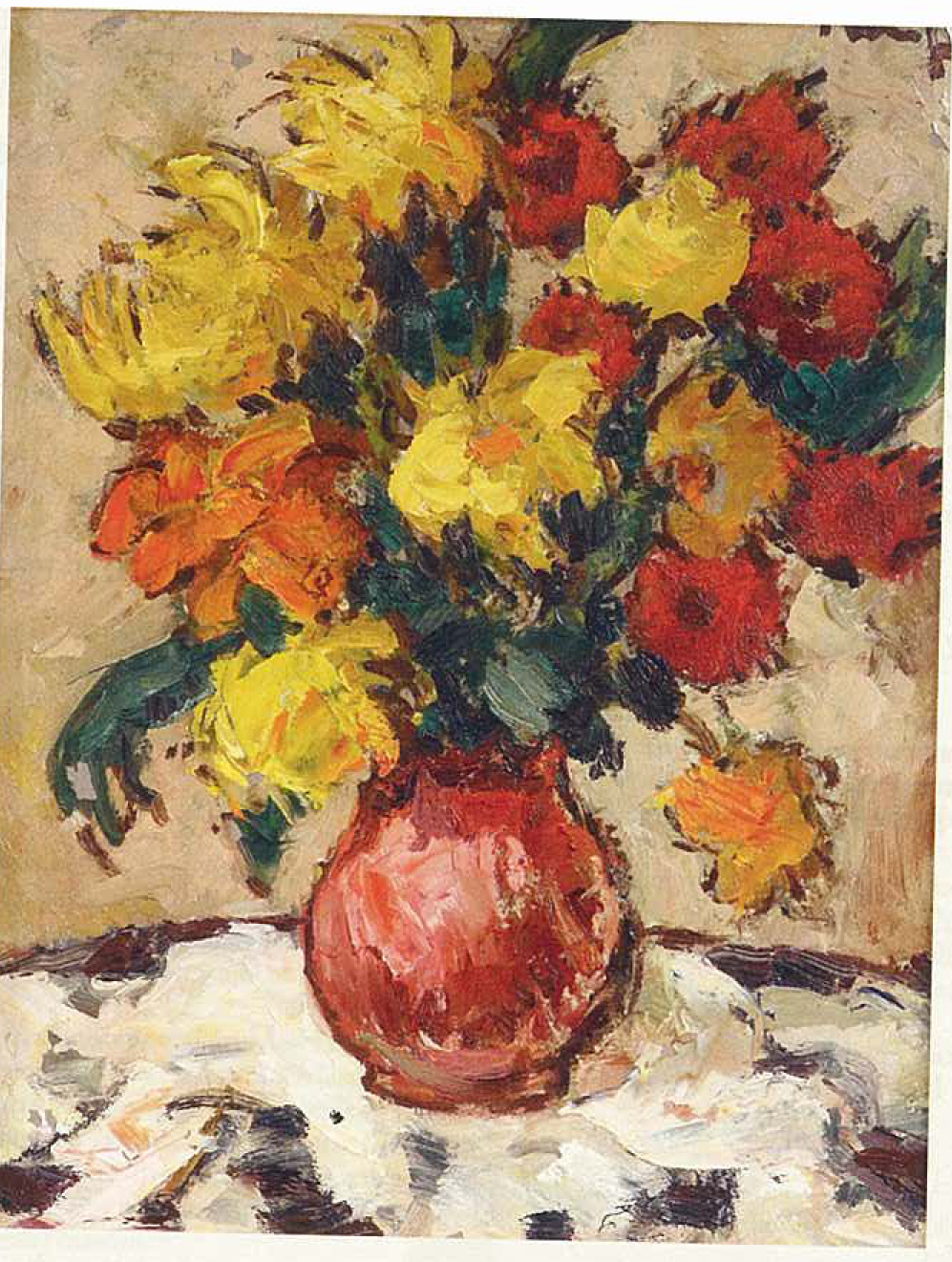
53. Daffodils and Peonies [anii '30]

1886, Bârlad - 1940, Bucureşti

Procjena

EUR 20.000 - 30.000

Prodano

EUR 30.000

Sesija

Uto., 22 listopada 2024 19:00

His talent is particularly demonstrated in the balance of color, which Tonitza pays special attention to, taking into account the concept and theme chosen. The artist does not reproduce nature but represents it, thus becoming a protector of the environment that surrounds him. He composes a long-studied ode to floral elegies and models in paste, energetically handling the knife: carnations, mallows, chrysanthemums, gladioli, or roses. His biography intertwines with the creative element, so we will identify for the first time the painting dedicated to flowers in the joint exhibition ”N. N. Tonitza – Ştefan Dimitrescu”, in January-February 1920. But the fervor of the elegies dedicated to nature will also become known around 1935-1937, when the painter will move his creative workshop to Schitul Durău, in Neamţ. Tonitza will spend three consecutive summers here, along with his students from the Academy of Fine Arts in Iași. Nature incites the artist's creative spirit and remains one of the main muses of his work over the years. The ”landscape” excursions imposed by the German school, in the surroundings of Munich, at Dachau, the creative camps at Durău or the discovery of Dobrogea and of Balchik, will materialize through a long series of works dedicated to nature and the exterior space, but also through the acquisition of a different color palette or through extensive exercises dedicated to the representation of light. From the mallows of Petrașcu to the carnations of Aman, the history of Romanian art overflows with floral elegies transposed onto canvas, to which their authors attribute deeper meanings. The artist dedicates the present work to a spring bouquet that he composes of bright tones and strident chromatic accents. The choice of flowers, by no means random, invokes a symbol of youth and rebirth. Starting from the vibrant and varied tulips of the Flemish masters, both in shape and chromatically, Tonitza's flowers become an allegory of hope and prosperity. Red and yellow predominate, both in the plastic development of the flowers and the fruits placed leisurely at the base of the vessel, because the artist does not only approach the floral motif, but adds a few fruits to his composition. The realization of floral plans will not, therefore, be a practice foreign to Tonitza, but will become a recurring motif, developed and adored by the nature-loving painter.

Literatura

PELEANU, Georgeta, "N.N. Tonitza Exhibition", Bucharest, 1964. ŞORBAN, Raoul, "Tonitza", Meridiane Publishing House, Bucharest, 1973.

Dimenzije

width 39.5 cm, height 51 cm

Opis

ulei pe carton, signed top right, in brown, "Tonitza"

Izlasci

anii '30

DODATNE INFORMACIJE

Za pojašnjenja u vezi s postupkom licitiranja, troškovima kupnje, uvjetima jamstva, plaćanja i preuzimanja osvojenog lota preporučujemo da pažljivo pročitate/ponovno pročitate Pravilnik o licitiranju.

Za dodatne informacije o lotu i aukciji kontaktirajte Odjel umjetničkih savjetnika.

Alternativni lotovi