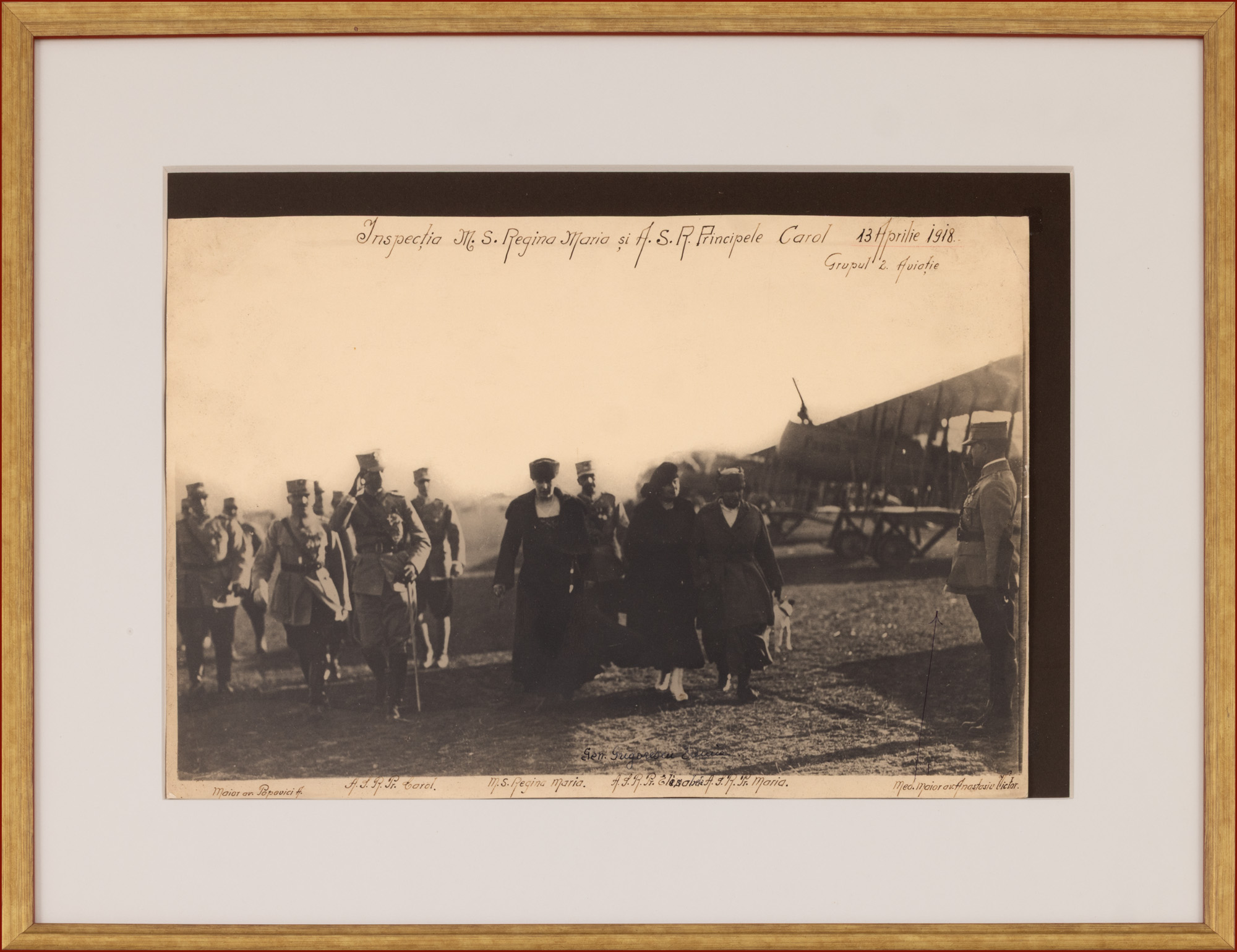
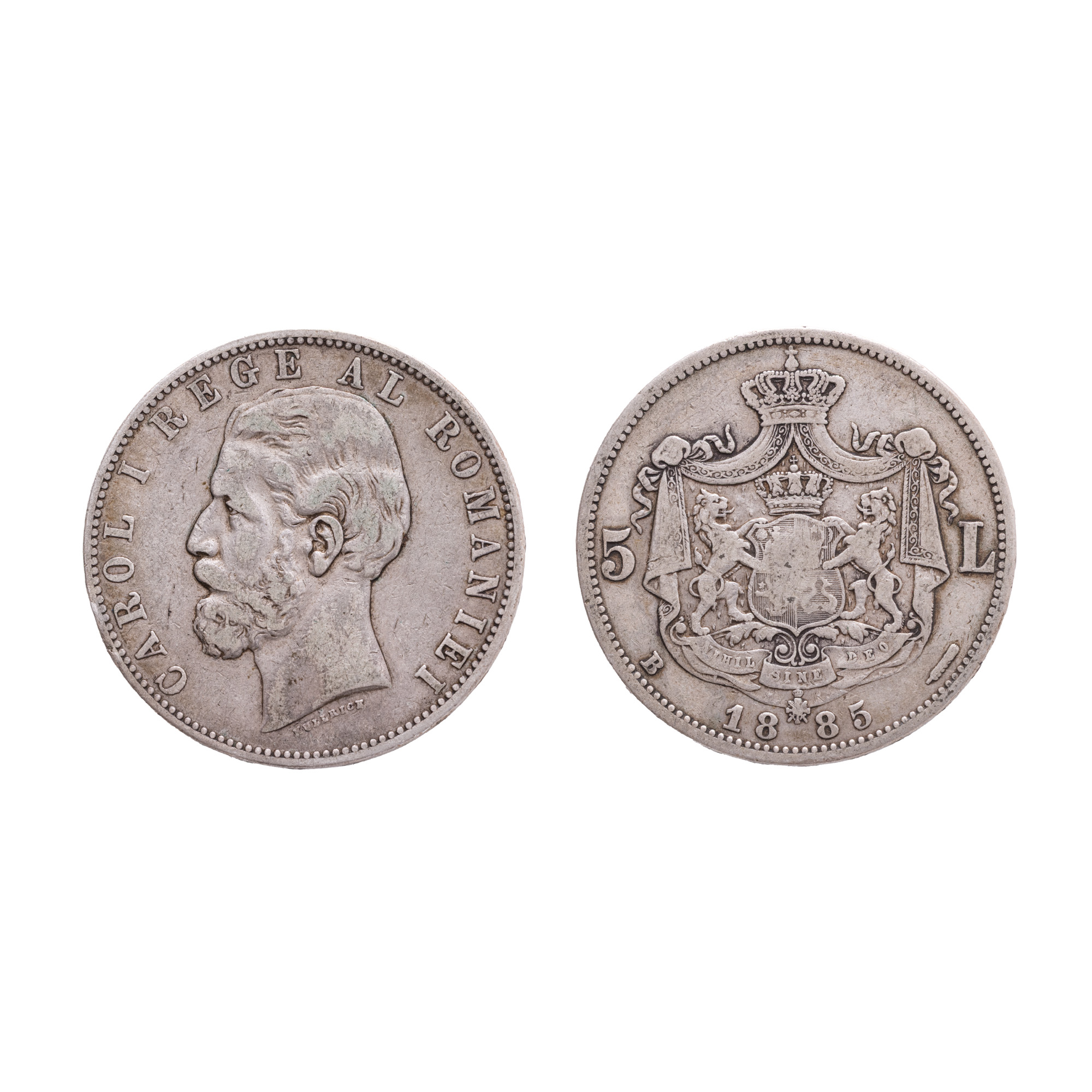
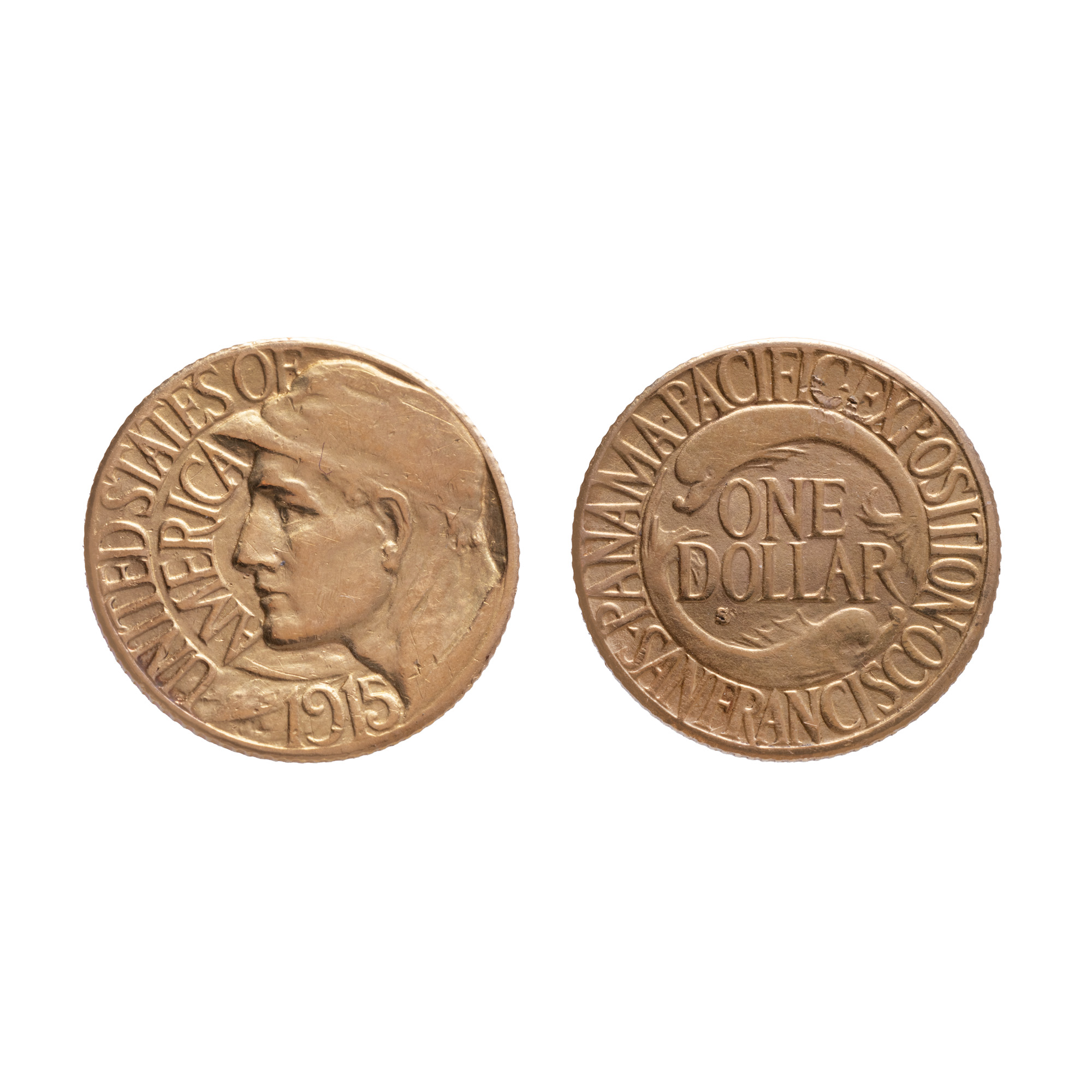
Fotografije parcele su informativne i indikativne te ne mogu pružiti vrlo detaljan prikaz objekta iz svih kutova. Preporučujemo pažljiv fizički pregled parcele prije licitiranja.
Fotografije parcele su informativne i indikativne te ne mogu pružiti vrlo detaljan prikaz objekta iz svih kutova. Preporučujemo pažljiv fizički pregled parcele prije licitiranja.
Dacian tetradrachms of the Aiud-Cugir type represent a distinct type of coin issued in the intra-Carpathian area, especially in the Apuseni Mountains, in the period preceding the Roman conquest, approximately between the 2nd century BC. and the beginning of the 1st century AD. These coins are named after the localities of Aiud and Cugir (Alba County), where numerous specimens were discovered, especially in the context of monetary treasures.
These are part of the wide series of Dacian imitation tetradrachms, i.e., coins produced by the Geto-Dacian population by imitating Hellenistic models, especially the tetradrachms issued in the Macedonian kingdom under Philip II and subsequently under Alexander the Great. The original Greek tetradrachms, which circulated heavily in the Balkans and north of the Danube through commerce or military contacts, were adopted as a model by the Dacians, who began producing them in local workshops, stylistically and symbolically adapting them.
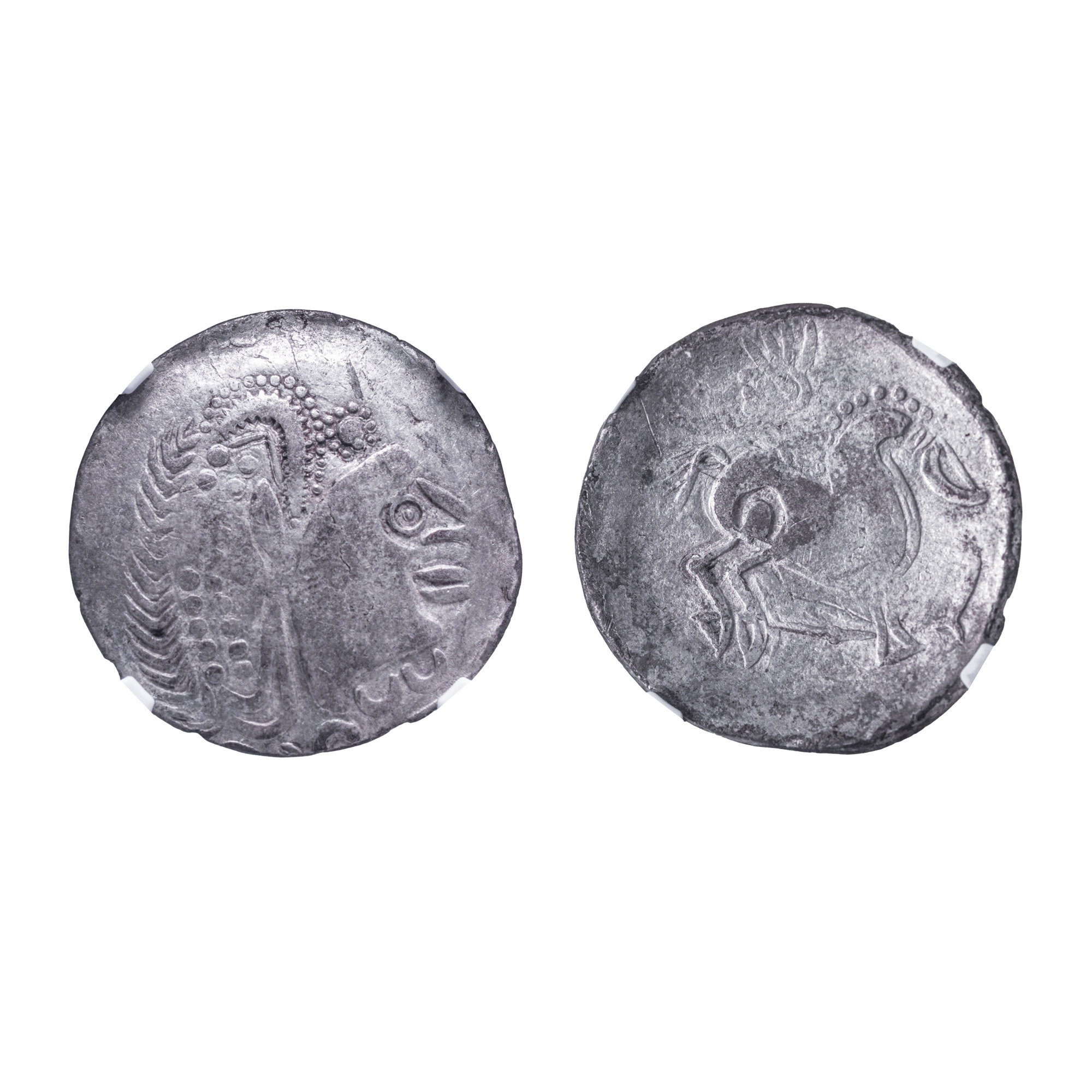
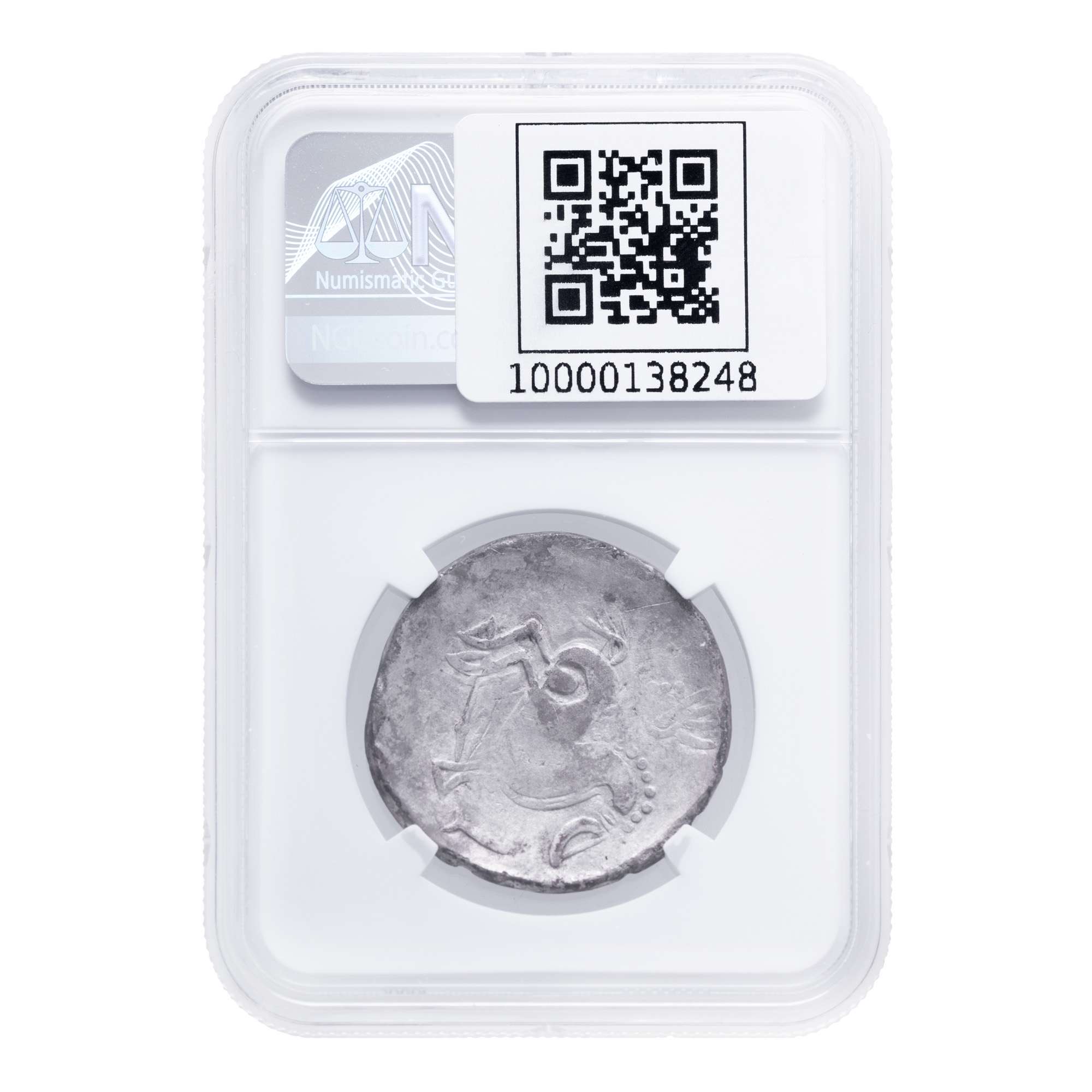
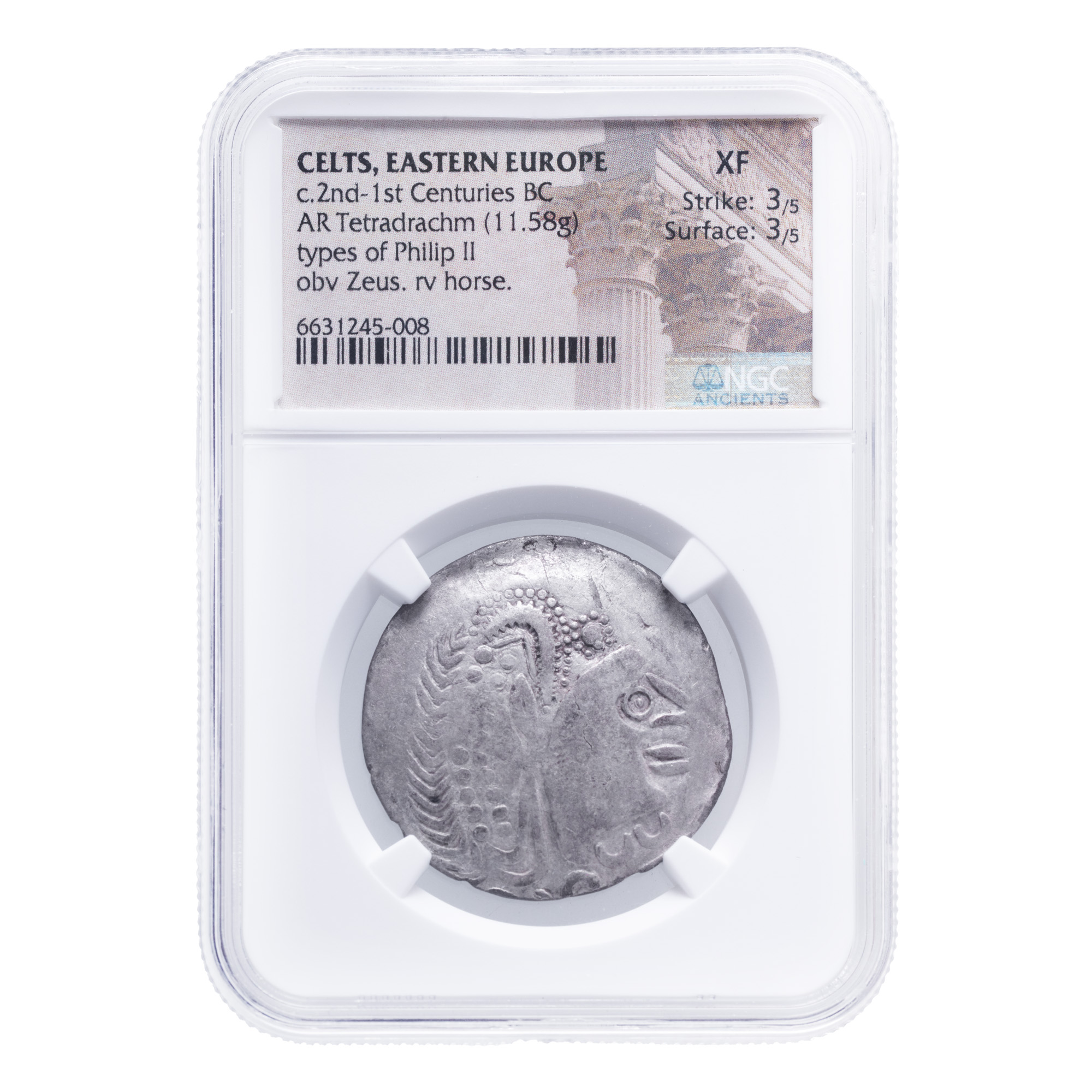
Aiud-Cugir type tetradrachms are distinguished by a barbarized but recognizable style, in which the figurative features of Greek coins are reinterpreted in a simplified and geometric manner. The obverse generally preserves the laureate head of Zeus or Heracles, but rendered in a schematic manner, with rigid facial features, large eyes, elongated neck, and hard lines. The reverse usually depicts the Macedonian rider, a classic symbol of Philip II-type coins, but again with its own stylization, often lacking anatomical clarity or with deformed proportions. In some cases, additional symbols (letters, rosettes, circles, crosses, lines) also appear, which may have an identity or religious function.
The coins are cast or struck in silver of variable quality, sometimes alloyed with other metals. The weight is usually between 8 and 13 grams, indicating a local adaptation of Hellenistic weight standards, without absolute rigor. They have no clear inscriptions in Greek and are devoid of legends, which sets them apart from the original models and suggests that their function was practical, but also symbolic, for internal use within Dacian society.
Aiud-Cugir type tetradrachms have been discovered in significant treasures, alongside other Dacian imitations or Roman denarii, indicating a partially monetized economy and an internal system of circulating values in pre-Roman Dacia. These coins reflect the existence of local power centers and monetary workshops, perhaps controlled by the tribal aristocracy in the Apuseni Mountains region - a region later recognized for its role in gold mining and Decebal's resistance.
Aiud-Cugir type tetradrachms are important not only for monetary archeology but also for understanding the cultural identity of the Dacians. They demonstrate their ability to adapt foreign models to their own economic, symbolic, and political needs. In a period of intensifying contacts with the Roman and Hellenistic worlds, these coins bear witness to a local cultural synthesis, where Greek tradition is reinterpreted through the prism of Dacian values.
Opis
silver
DODATNE INFORMACIJE
Za pojašnjenja u vezi s postupkom licitiranja, troškovima kupnje, uvjetima jamstva, plaćanja i preuzimanja osvojenog lota preporučujemo da pažljivo pročitate/ponovno pročitate Pravilnik o licitiranju.
Dacian tetradrachms of the Aiud-Cugir type represent a distinct type of coin issued in the intra-Carpathian area, especially in the Apuseni Mountains, in the period preceding the Roman conquest, approximately between the 2nd century BC. and the beginning of the 1st century AD. These coins are named after the localities of Aiud and Cugir (Alba County), where numerous specimens were discovered, especially in the context of monetary treasures.
These are part of the wide series of Dacian imitation tetradrachms, i.e., coins produced by the Geto-Dacian population by imitating Hellenistic models, especially the tetradrachms issued in the Macedonian kingdom under Philip II and subsequently under Alexander the Great. The original Greek tetradrachms, which circulated heavily in the Balkans and north of the Danube through commerce or military contacts, were adopted as a model by the Dacians, who began producing them in local workshops, stylistically and symbolically adapting them.
Aiud-Cugir type tetradrachms are distinguished by a barbarized but recognizable style, in which the figurative features of Greek coins are reinterpreted in a simplified and geometric manner. The obverse generally preserves the laureate head of Zeus or Heracles, but rendered in a schematic manner, with rigid facial features, large eyes, elongated neck, and hard lines. The reverse usually depicts the Macedonian rider, a classic symbol of Philip II-type coins, but again with its own stylization, often lacking anatomical clarity or with deformed proportions. In some cases, additional symbols (letters, rosettes, circles, crosses, lines) also appear, which may have an identity or religious function.
The coins are cast or struck in silver of variable quality, sometimes alloyed with other metals. The weight is usually between 8 and 13 grams, indicating a local adaptation of Hellenistic weight standards, without absolute rigor. They have no clear inscriptions in Greek and are devoid of legends, which sets them apart from the original models and suggests that their function was practical, but also symbolic, for internal use within Dacian society.
Aiud-Cugir type tetradrachms have been discovered in significant treasures, alongside other Dacian imitations or Roman denarii, indicating a partially monetized economy and an internal system of circulating values in pre-Roman Dacia. These coins reflect the existence of local power centers and monetary workshops, perhaps controlled by the tribal aristocracy in the Apuseni Mountains region - a region later recognized for its role in gold mining and Decebal's resistance.
Aiud-Cugir type tetradrachms are important not only for monetary archeology but also for understanding the cultural identity of the Dacians. They demonstrate their ability to adapt foreign models to their own economic, symbolic, and political needs. In a period of intensifying contacts with the Roman and Hellenistic worlds, these coins bear witness to a local cultural synthesis, where Greek tradition is reinterpreted through the prism of Dacian values.
DODATNE INFORMACIJE
Za pojašnjenja u vezi s postupkom licitiranja, troškovima kupnje, uvjetima jamstva, plaćanja i preuzimanja osvojenog lota preporučujemo da pažljivo pročitate/ponovno pročitate Pravilnik o licitiranju.