
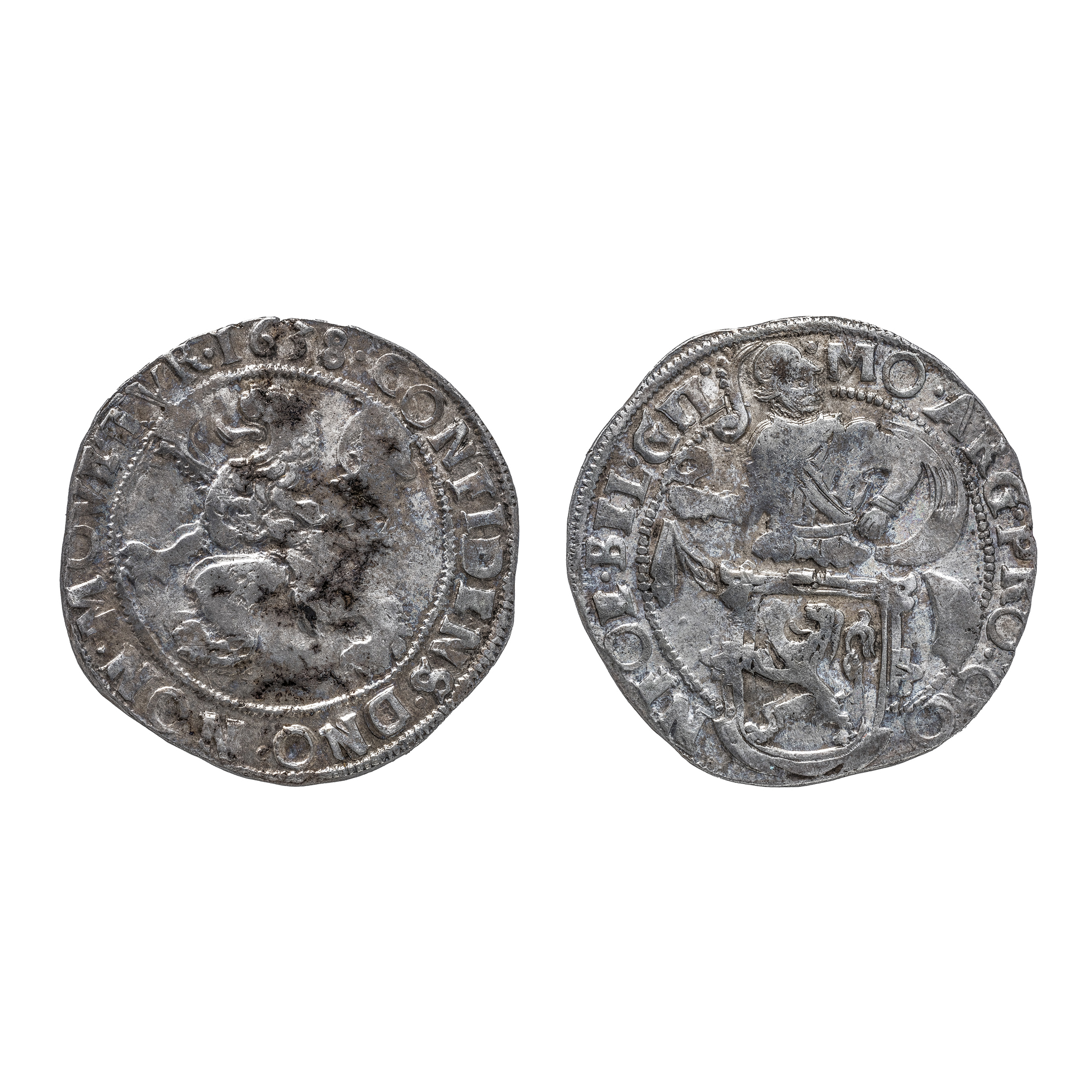
35. Leeuwendaalder Coin (ancestor of the Romanian Lei), Gelderland, Netherlands, 1638, silver
Početna cijena
EUR 150
Prodano
EUR 400
Sesija
Uto., 24 lipnja 2025 18:00
Opis
750 silver
DODATNE INFORMACIJE
Za pojašnjenja u vezi s postupkom licitiranja, troškovima kupnje, uvjetima jamstva, plaćanja i preuzimanja osvojenog lota preporučujemo da pažljivo pročitate/ponovno pročitate Pravilnik o licitiranju.
Za dodatne informacije o lotu i aukciji kontaktirajte Odjel umjetničkih savjetnika.
Detalii
DODATNE INFORMACIJE
Za pojašnjenja u vezi s postupkom licitiranja, troškovima kupnje, uvjetima jamstva, plaćanja i preuzimanja osvojenog lota preporučujemo da pažljivo pročitate/ponovno pročitate Pravilnik o licitiranju.
Za dodatne informacije o lotu i aukciji kontaktirajte Odjel umjetničkih savjetnika.
Opis
750 silver
Alternativni lotovi
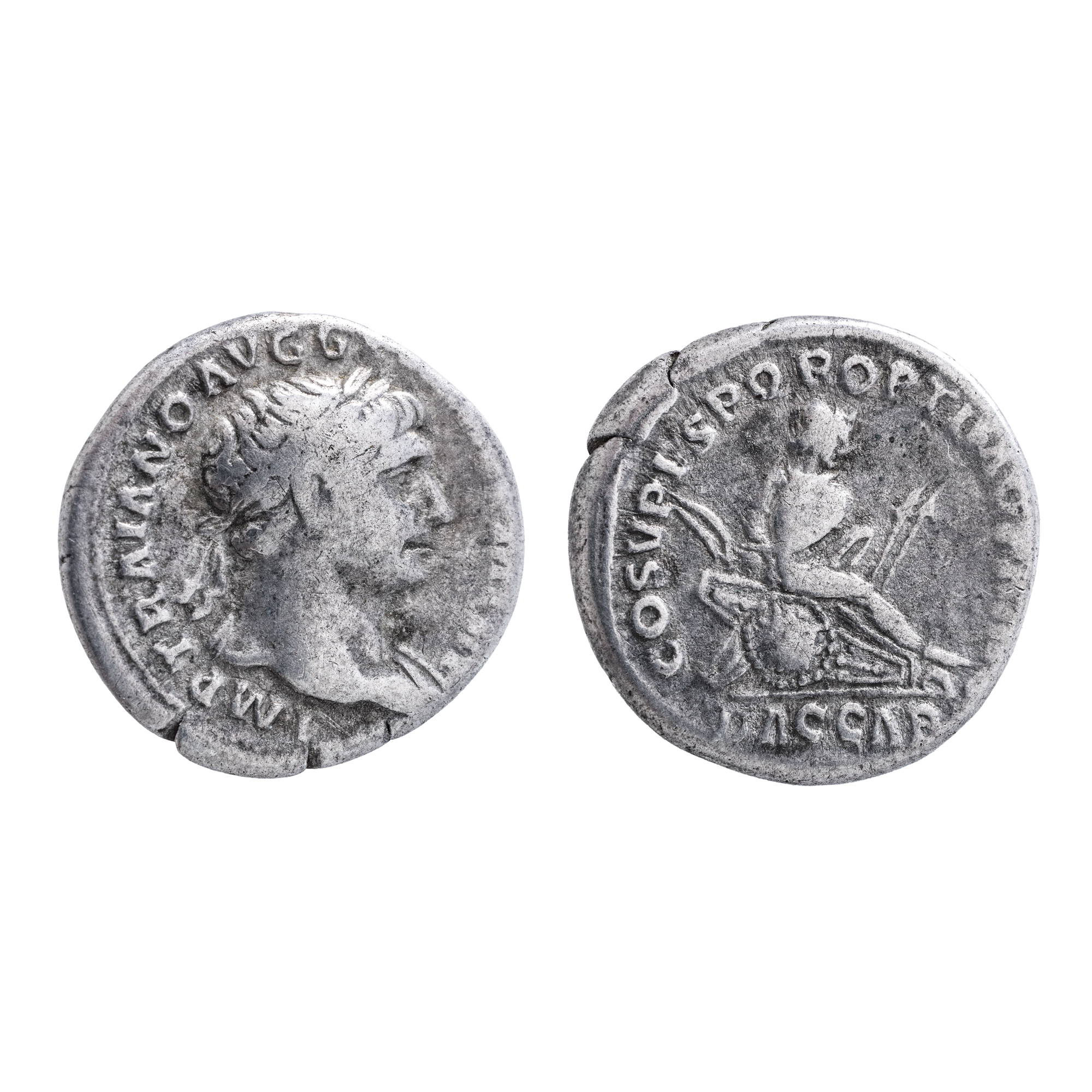
10. Denarius Coin, Trajan, Dac Captive type, issued following the Dacian Wars, 108-109 AD, silver
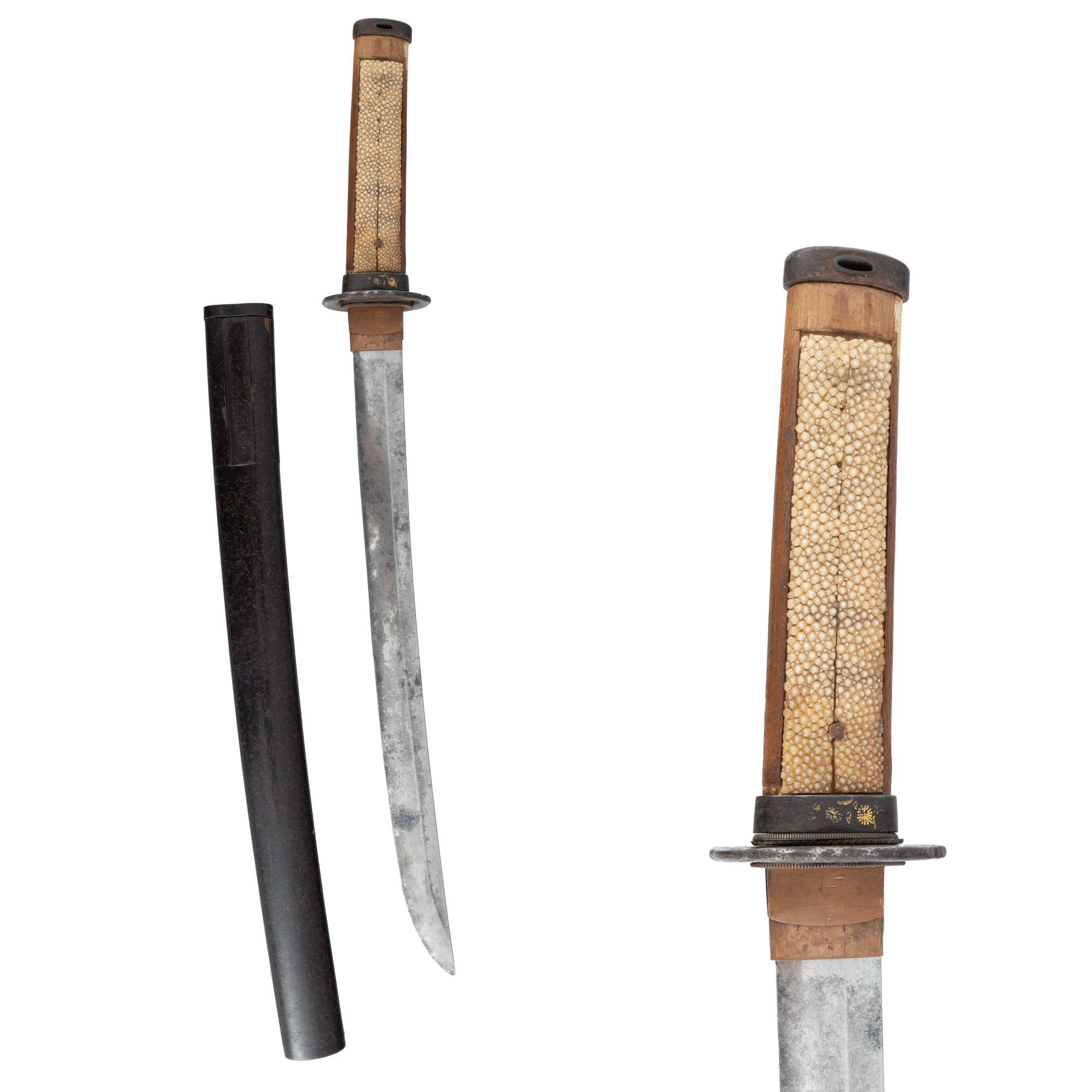
85. Wakizashi Sword, in Edo period koshirae, Japan, possibly Azuchi-Momoyama period, cca. 1600