
Meniu

Hrvatski

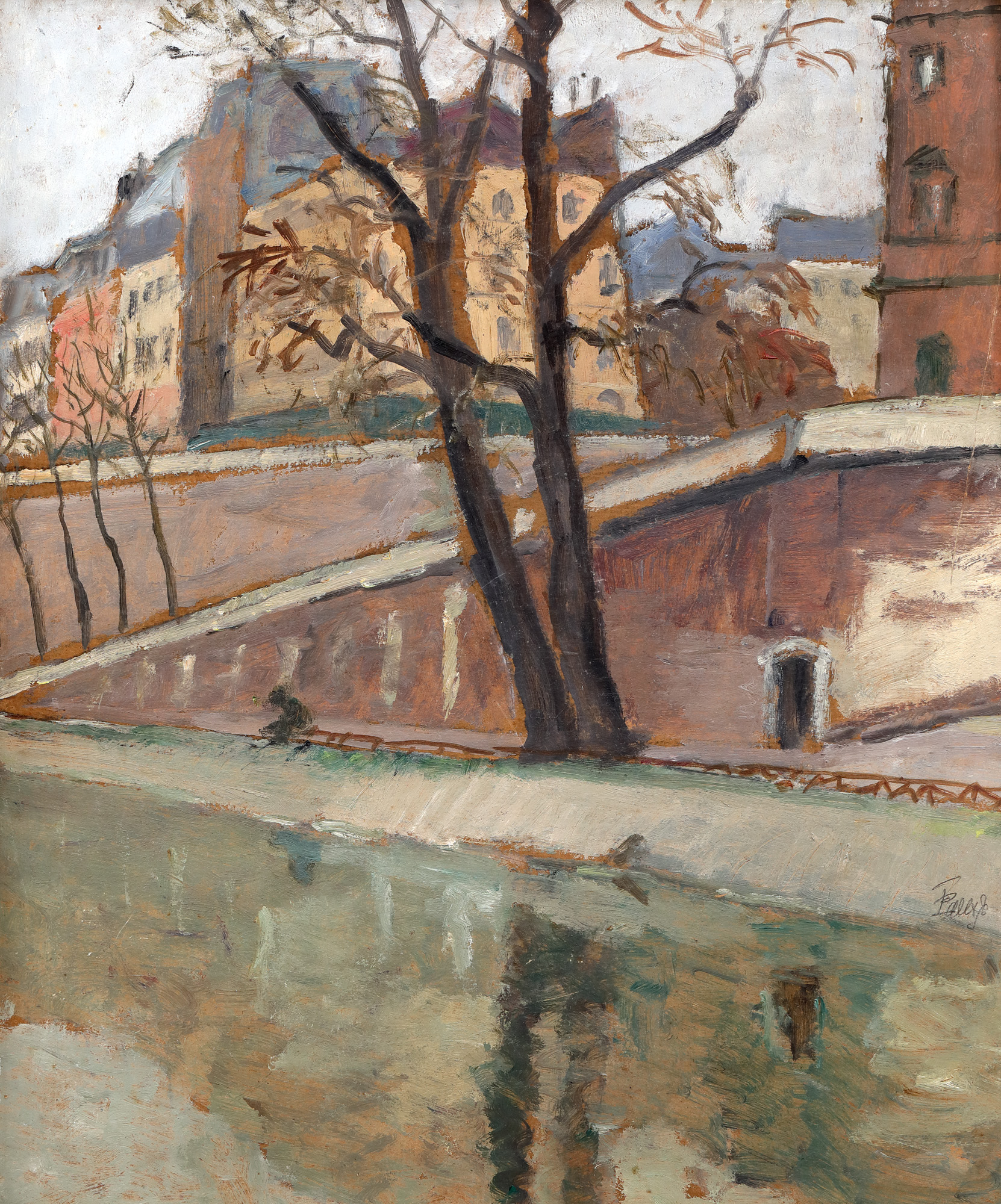
94. The Key to the Seine [1926]

1871, Iaşi - 1956, Bucureşti

Procjena

EUR 12.000 - 18.000

Prodano

EUR 14.000

Sesija

Uto., 18 lipnja 2024 19:00

With a work centered around nature, Theodor Pallady stands out in Romanian art through the emotional content proposed to the natural framework of his paintings. His move to France in 1889 deeply influenced the evolution and trajectory of his artistic career. Having the chance to develop in a rich and complex cultural environment, like Paris of the past century, Pallady gradually assimilated the major artistic currents proposed by his predecessors in the search of perfecting his own pictorial manner. His penchant for landscapes, especially urban landscapes, developed along with the artist's frequent travels abroad. He often painted from his studio, located near the Seine bank, in Place Dauphine. He captures the grey atmosphere of Paris and grants color the role of interpreting emotional states. His fascination for the colors of autumn and the gloomy atmosphere is transposed into the ash-grey skies and greys of nature reflected in the water's glimmer. Pallady demonstrates unequaled refinement by incorporating clear, luminous color rhythms into the twilight atmosphere of the city. In his works, color is irretrievably linked to the properties of lines and drawing. The artist pays particular attention to the construction of the composition: he harmonizes shapes and volumes and achieves color balance through careful selection of tones. The poetry and mystery of his work are especially revealed in the soft transparencies dedicated to the frescoes of Place Dauphine. Carefully elaborated, with meticulous details, Pallady's landscapes preserve the documentary character of the period in which they were created. The temptation to perfect works of art betrays the creator's analytical spirit and power of synthesis. The represented space receives, through the plastic language used, a transfer of vital sensitivity. The landscape - a constant in Pallady’s work - understood also as a subjective interpretation of the places through which the artist passed, reveals spaces from the country, from Bucium, where he lived when he returned to the Moldova region, and stretches of foreign lands, Parisian or Provençal views. His most valuable stays are recorded in oil and reveal the artist's preference for broad perspectives and the water motif. A painting of sincerity, Pallady’s work possesses a schematism of essential features and intensifies the enigmatic atmosphere of urban landscapes.

Literatura

ȘORBAN, Raoul, "Theodor Pallady", Meridiane Publishing House, Bucharest, 1975. "Drawings by Theodor Pallady from the Collection of the Museum of Crișana Region", in "Biharea", 1980, pp. 291-322.

Dimenzije

width 46 cm, height 53.5 cm

Opis

oil on cardboard, signed on the right side, in pencil, "T. Pallady"

Informacije o istraživanju

The artwork is reproduced in "Gândirea", March 1925, year IV, no. 11, under the name "Twins". The artwork is reproduced in "Universal Literature", May 16, 1926, year XLII, p. 5, under the name "Twins".

Izlasci

1926

DODATNE INFORMACIJE

Za pojašnjenja u vezi s postupkom licitiranja, troškovima kupnje, uvjetima jamstva, plaćanja i preuzimanja osvojenog lota preporučujemo da pažljivo pročitate/ponovno pročitate Pravilnik o licitiranju.

Za dodatne informacije o lotu i aukciji kontaktirajte Odjel umjetničkih savjetnika.

Alternativni lotovi

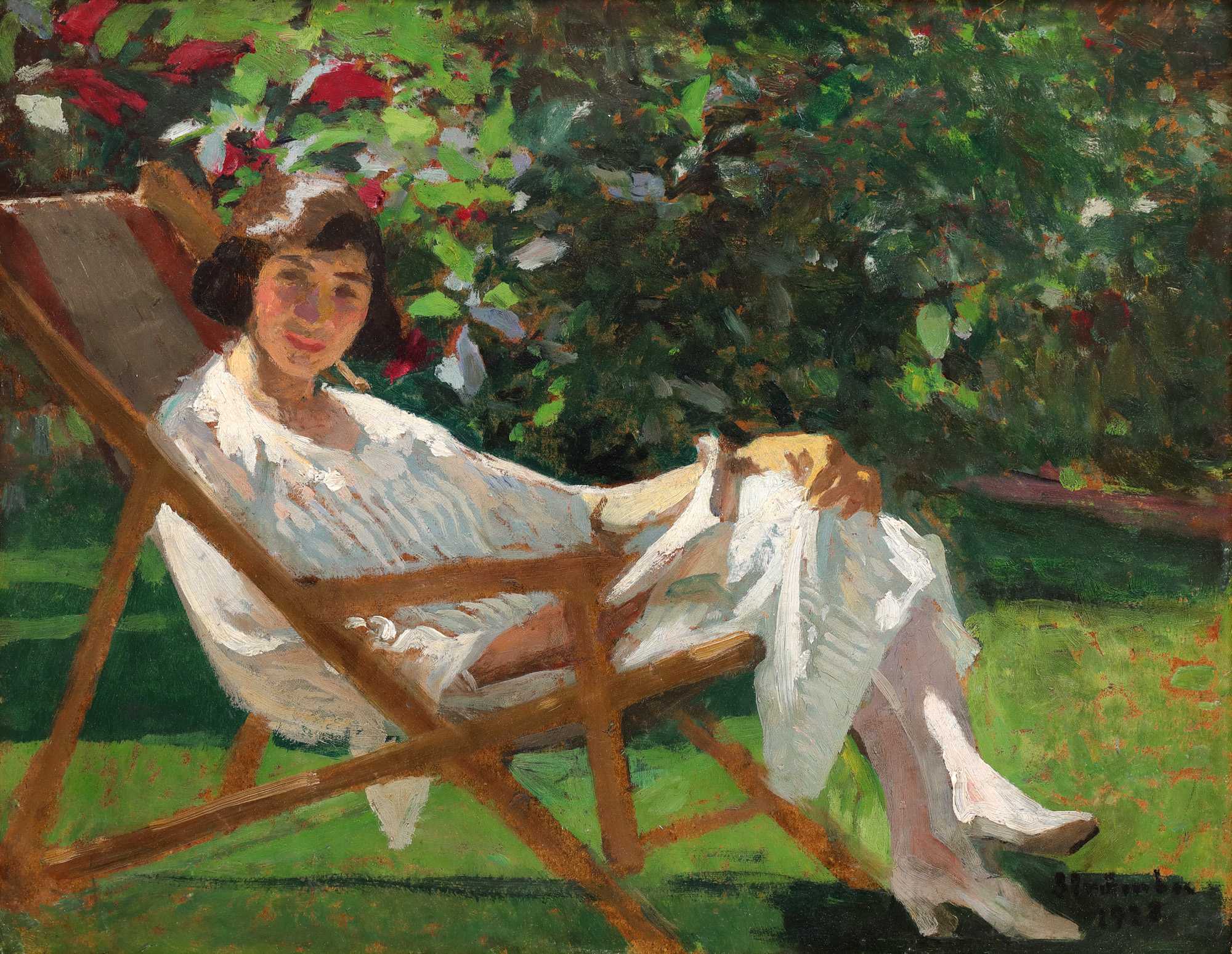
In the Garden

30. In the Garden [1928]

Ipolit Strâmbu

    Procjena EUR 1.500 - 2.500
    Prodano EUR 3.250
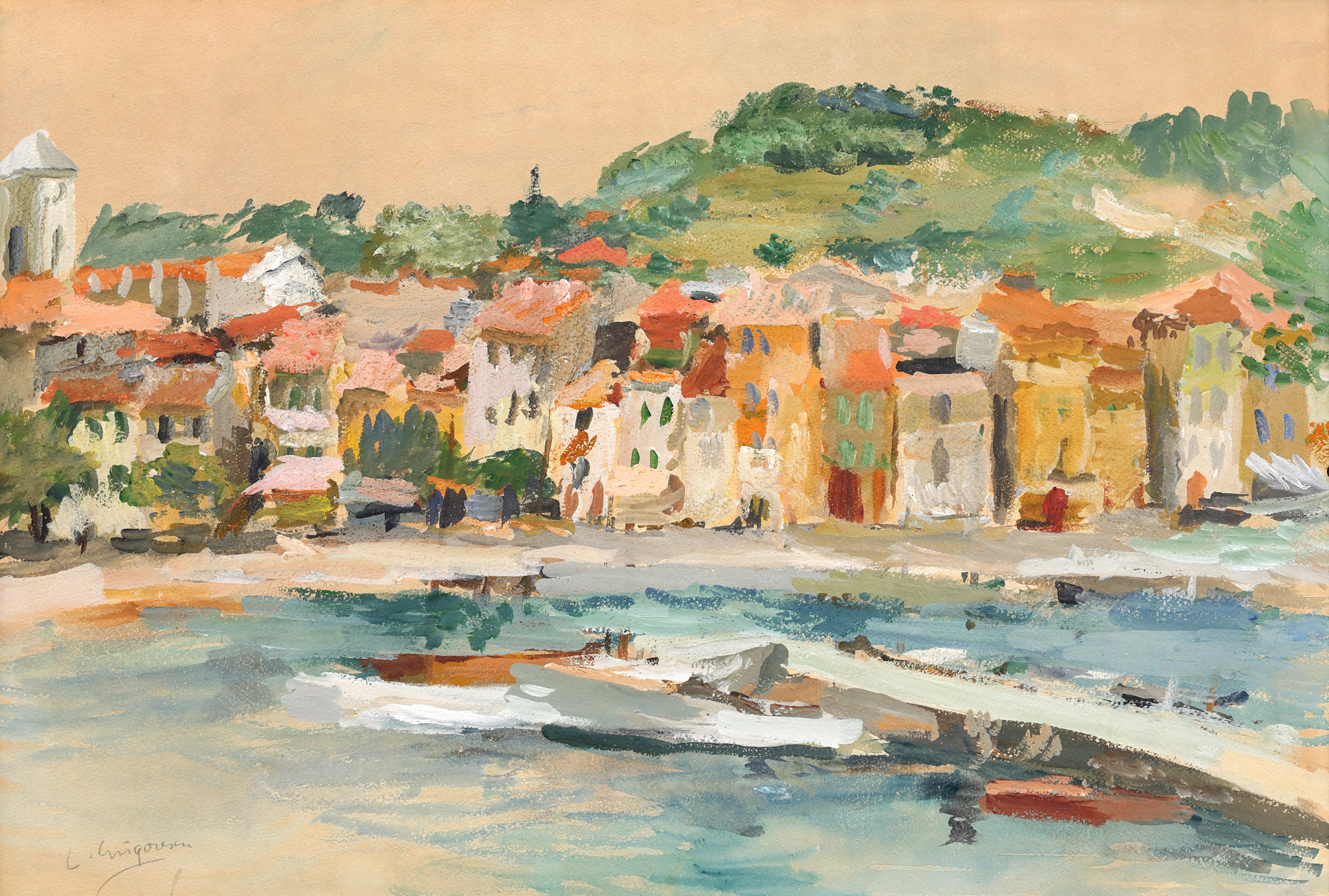
Boats at Cassis

107. Boats at Cassis [anii '30]

Lucian Grigorescu

    Procjena EUR 1.500 - 2.500
    Prodano EUR 3.000
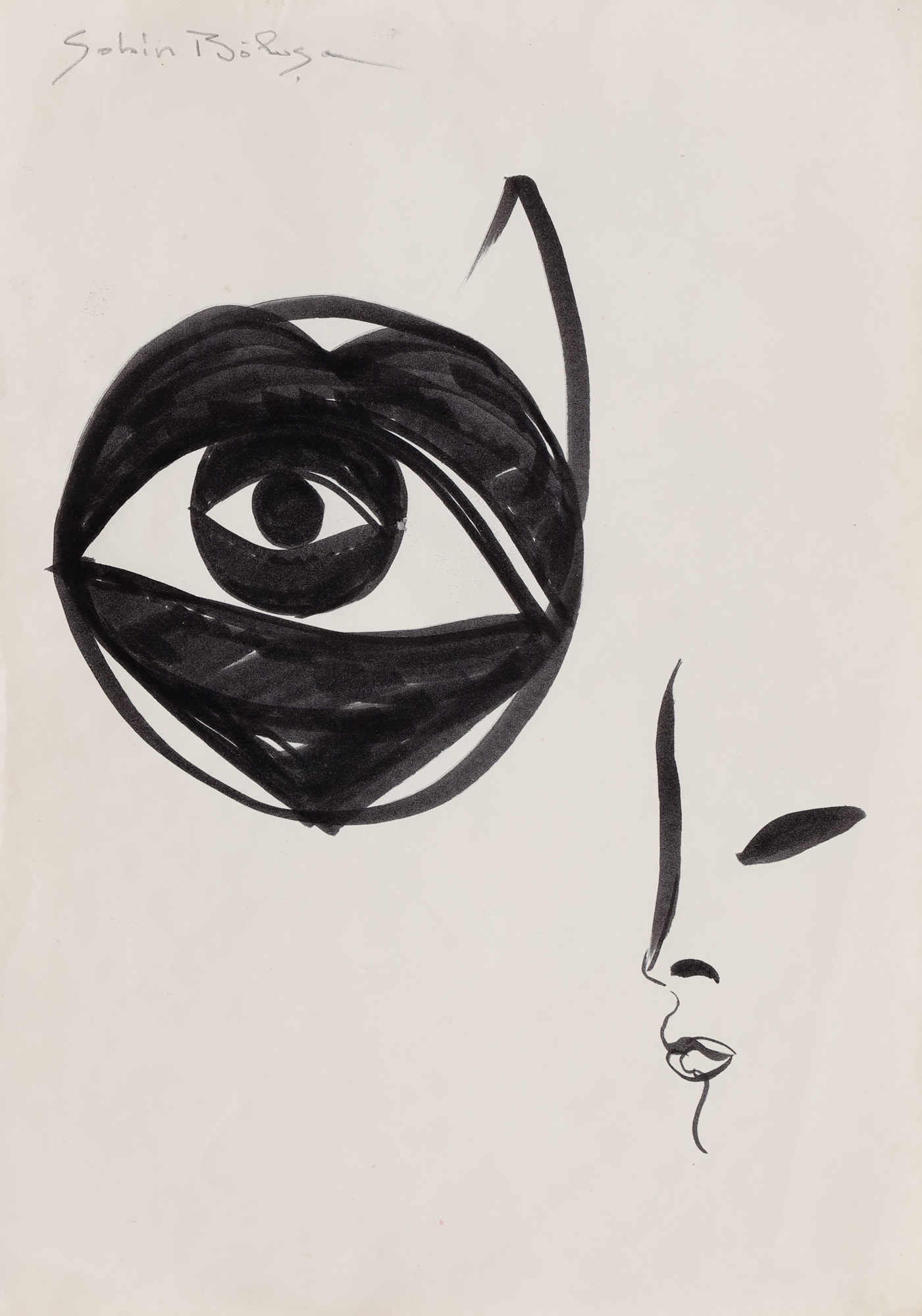
Couple

133. Couple

Sabin Bălaşa

    Procjena EUR 150 - 250
    Prodano EUR 600
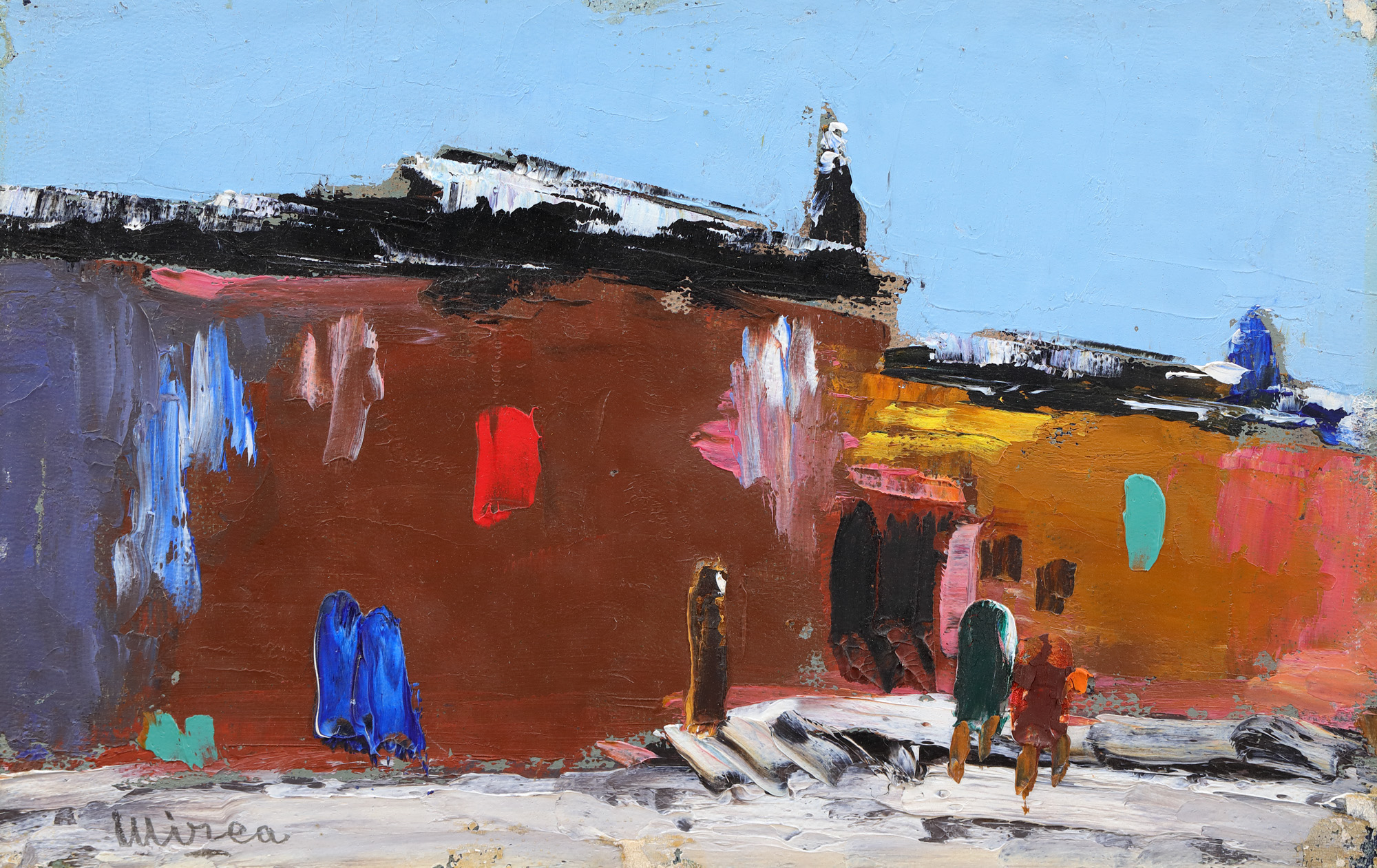
Urban

70. Urban

Ion Mirea

    Procjena EUR 400 - 600
    Prodano EUR 700