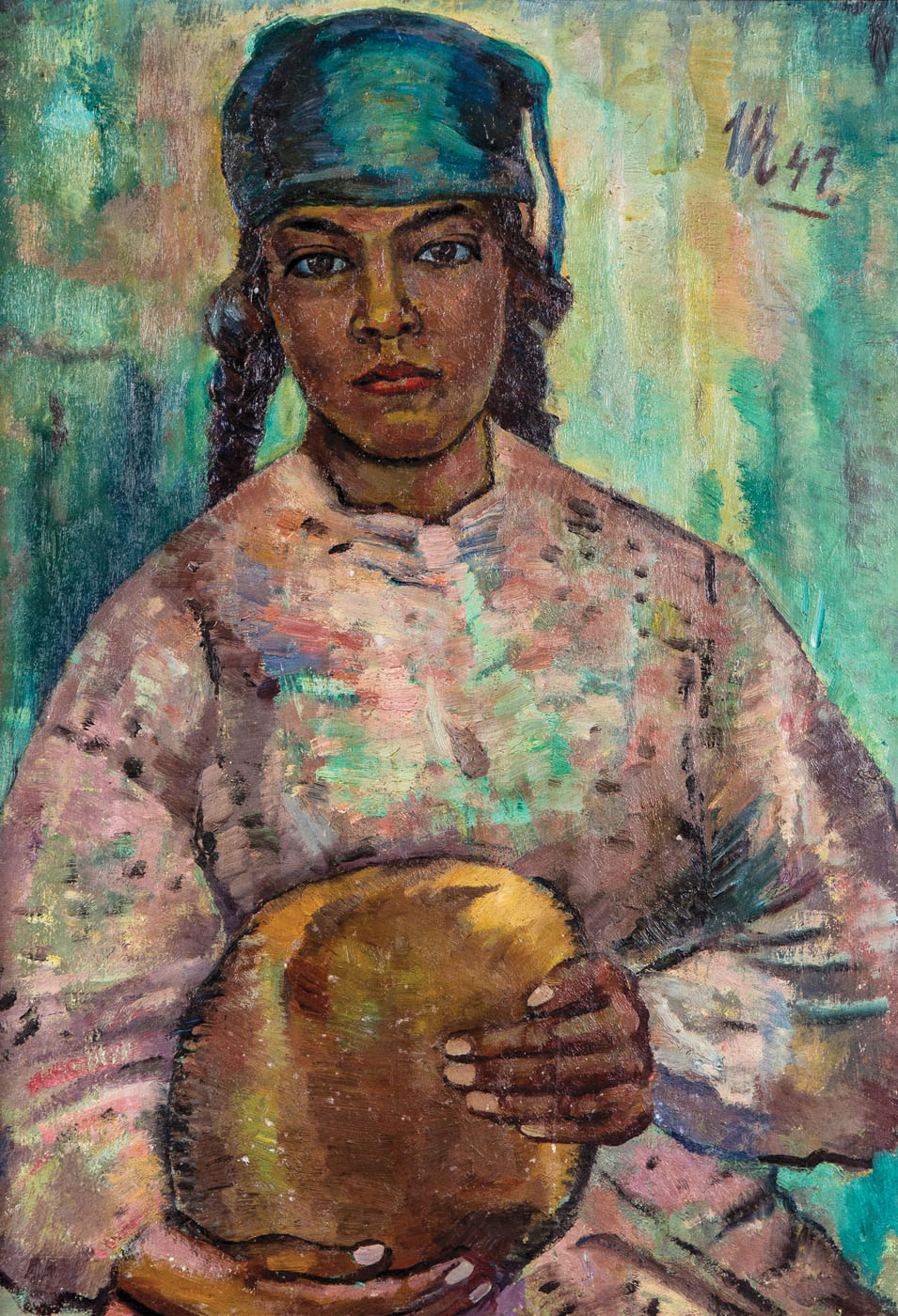

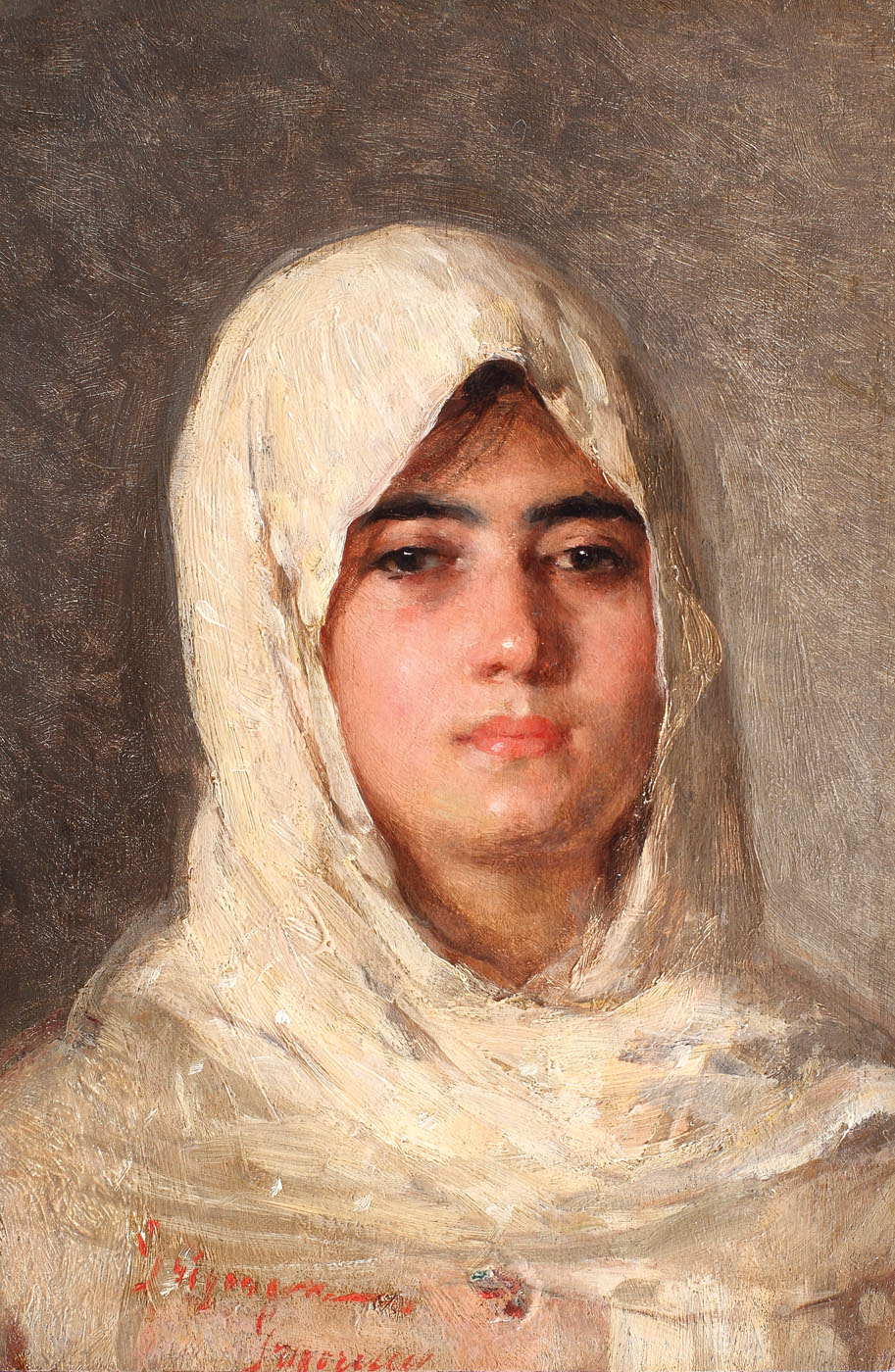
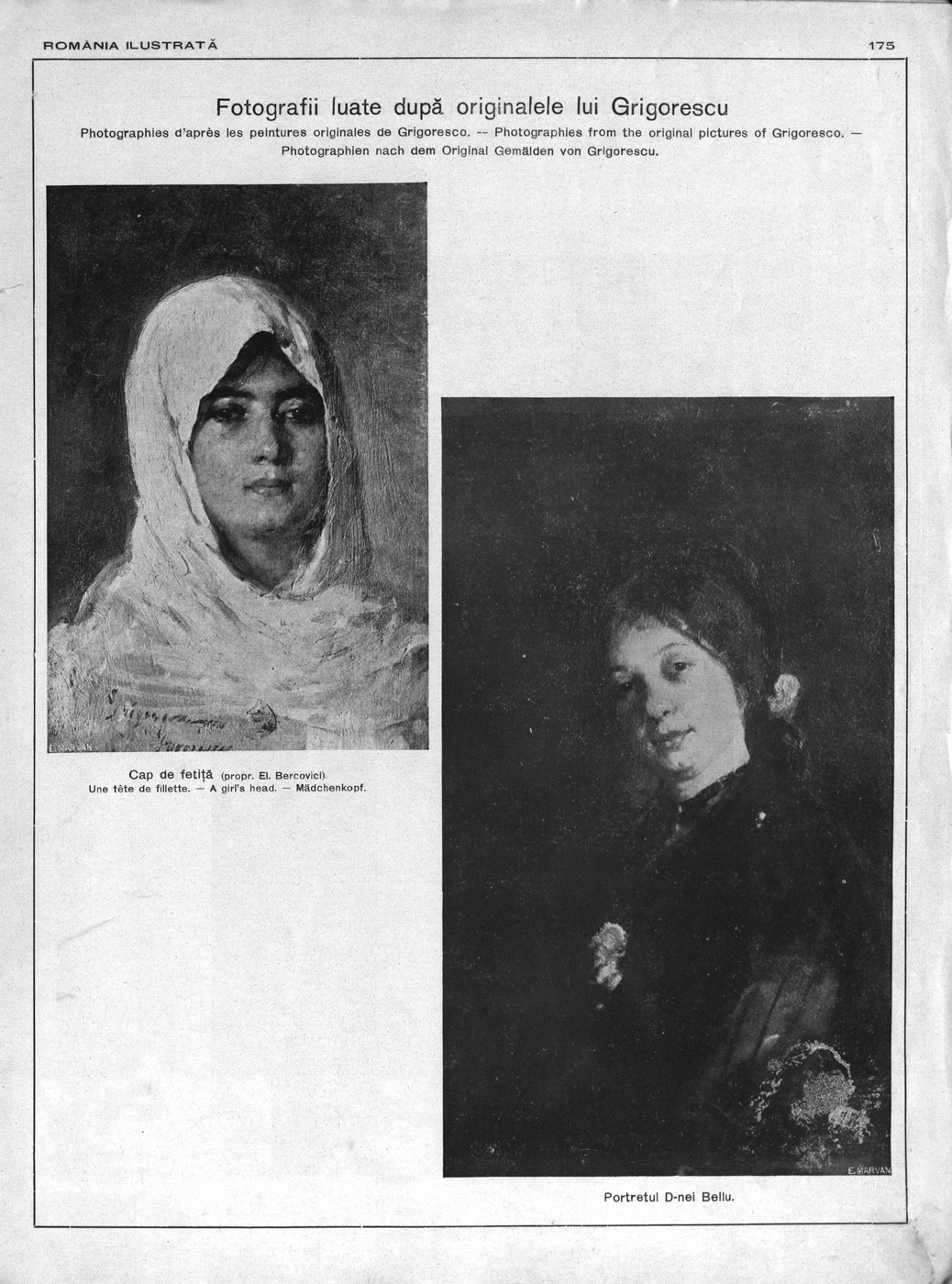
27. Peasant Woman with White Headscarf
Procjena
EUR 25.000 - 45.000
Prodano
EUR 42.500
Sesija
Uto., 6 veljače 2018 19:30
Literatura
NICULESCU, Remus „Expoziţia Nicolae Grigorescu, catalog” de, Muzeul de artă al Republicii Populare Române, Bucureşti, 1957 Vasile, „Nicolae Grigorescu”, Ed. Meridiane, București, 1973 VLAHUȚĂ, Alexandru, “Pictorul N.I.Grigorescu.Vieaţa şi Opera lui”, Bucureşti, Ediţia Casei Şcoalelor, Socec, 1910
Dimenzije
width 16 cm, height 24.5 cm
Opis
oil on wood, signed twice lower left, in red, "Grigorescu"
Informacije o istraživanju
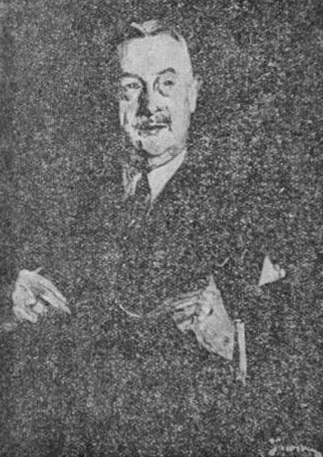
Opera este reprodusă în "România Ilustrată", anul III, nr. 11, 1928, la pag. 175.
PODRIJETLO
colecția interbelică Eli Bercovici, președinte al Comunității evreiești în jurul anului 1930.
DODATNE INFORMACIJE
Za pojašnjenja u vezi s postupkom licitiranja, troškovima kupnje, uvjetima jamstva, plaćanja i preuzimanja osvojenog lota preporučujemo da pažljivo pročitate/ponovno pročitate Pravilnik o licitiranju.
Za dodatne informacije o lotu i aukciji kontaktirajte Odjel umjetničkih savjetnika.
Detalii
DODATNE INFORMACIJE
Za pojašnjenja u vezi s postupkom licitiranja, troškovima kupnje, uvjetima jamstva, plaćanja i preuzimanja osvojenog lota preporučujemo da pažljivo pročitate/ponovno pročitate Pravilnik o licitiranju.
Za dodatne informacije o lotu i aukciji kontaktirajte Odjel umjetničkih savjetnika.
Literatura
NICULESCU, Remus „Expoziţia Nicolae Grigorescu, catalog” de, Muzeul de artă al Republicii Populare Române, Bucureşti, 1957 Vasile, „Nicolae Grigorescu”, Ed. Meridiane, București, 1973 VLAHUȚĂ, Alexandru, “Pictorul N.I.Grigorescu.Vieaţa şi Opera lui”, Bucureşti, Ediţia Casei Şcoalelor, Socec, 1910
Dimenzije
width 16 cm, height 24.5 cm
Opis
oil on wood, signed twice lower left, in red, "Grigorescu"
Informacije o istraživanju
Opera este reprodusă în "România Ilustrată", anul III, nr. 11, 1928, la pag. 175.
PODRIJETLO
colecția interbelică Eli Bercovici, președinte al Comunității evreiești în jurul anului 1930.
Alternativni lotovi