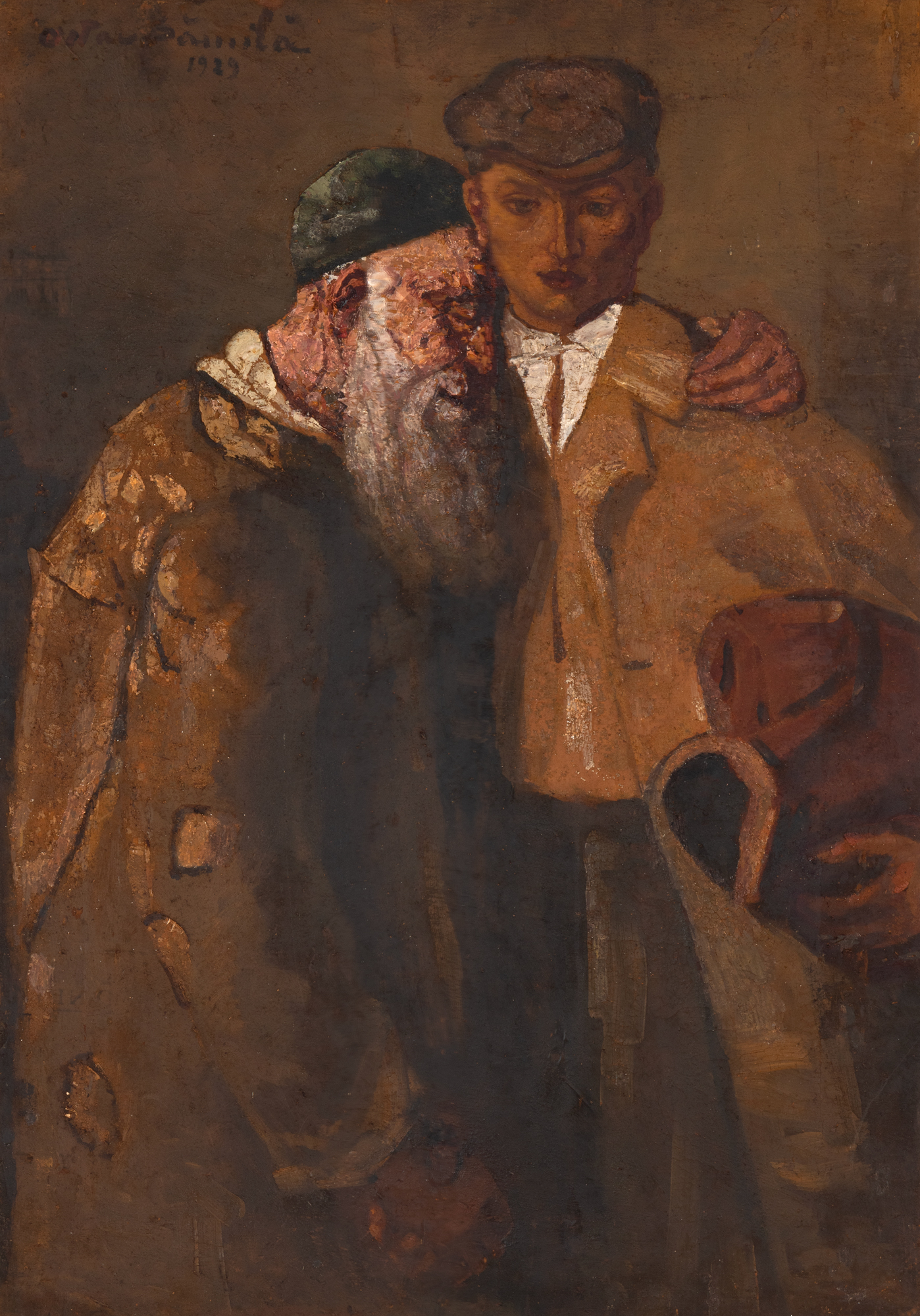

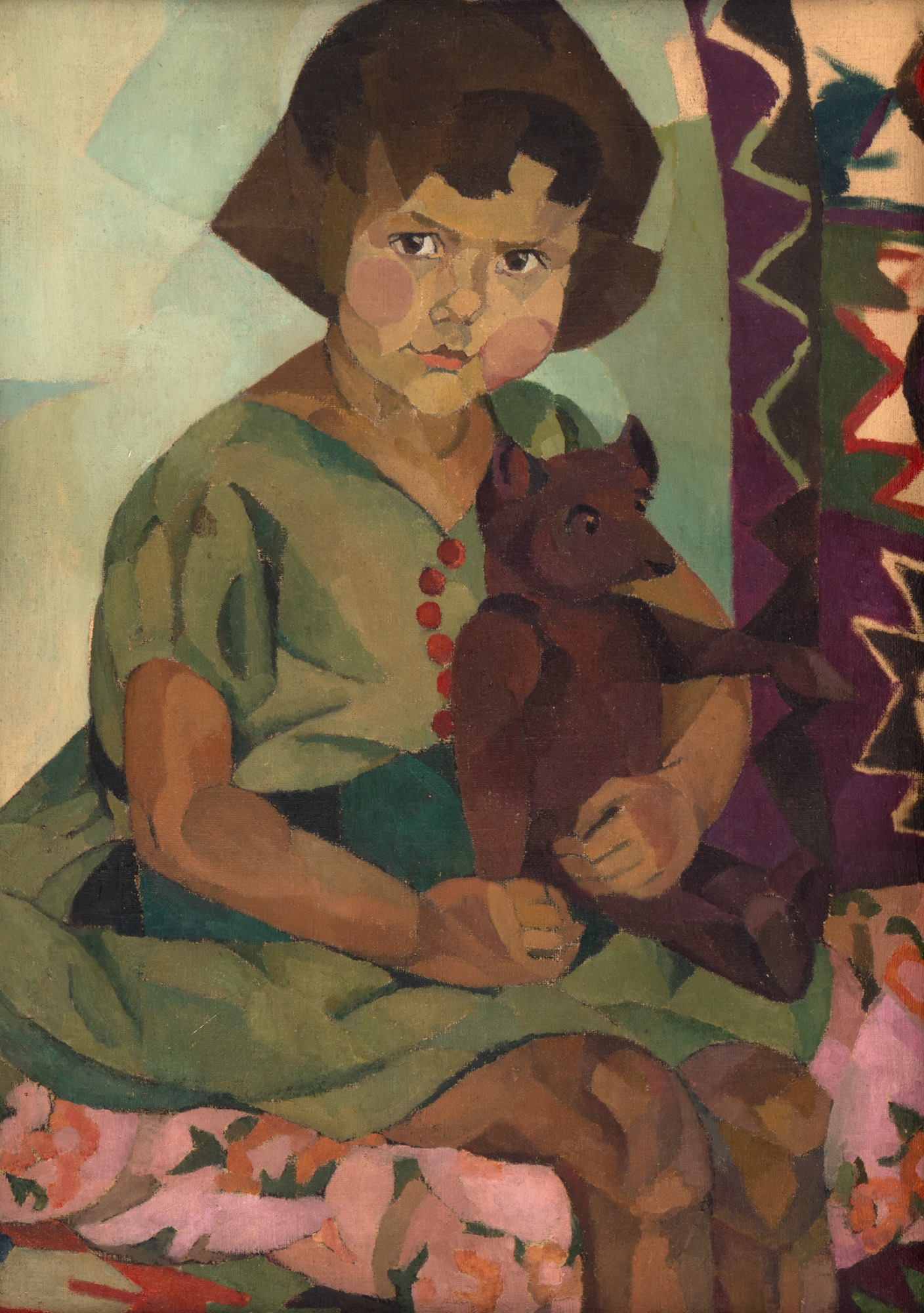
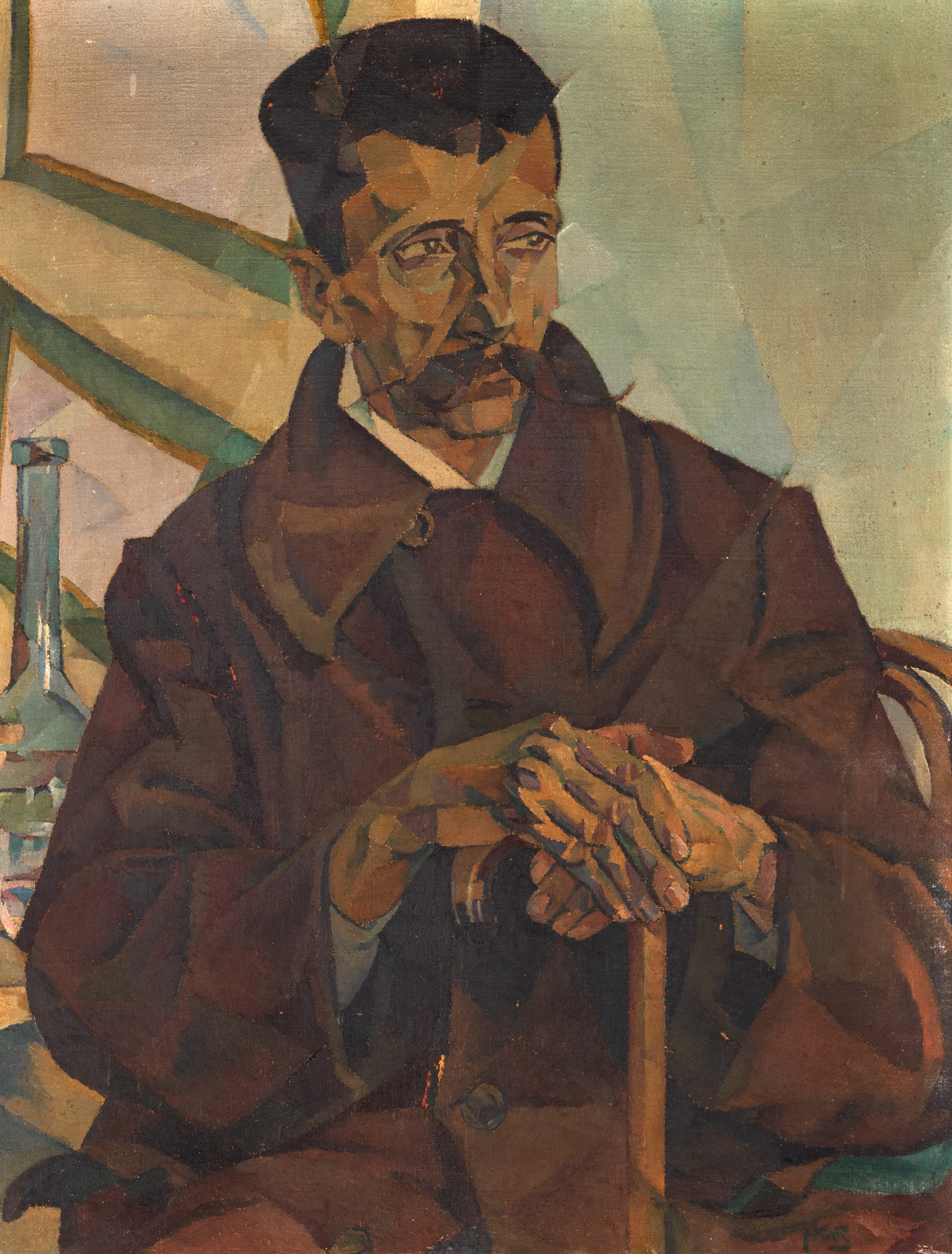
10. Two Friends [anii '20]
Procjena
EUR 3.500 - 5.500
Sesija
Čet., 18 lipnja 2026 19:00
Literatura
Monica ENACHE, "Equal. Art and Feminism in Modern Romania", The National Museum of Art of Romania, Bucharest, 2016. "Nadia Bulighin Grossman", Romanian painters from Argeș, Hearth of Heritage Makers and Creators, 2023. Ionel JIANU, "A Conversation with Nadia Bulighin" in "Rampa", year XIII, March 9, 1928 Adrian MANIU, "Nadia Bulighin: A New Painter and Some Beautiful Books" in "The Ramp", year XIII, February 26, 1928.
Dimenzije
width 59 cm, height 79 cm
Opis
oil on canvas, signed on the back, bottom right, in black, "N.G.B."
Izlasci
anii '20
DODATNE INFORMACIJE
Za pojašnjenja u vezi s postupkom licitiranja, troškovima kupnje, uvjetima jamstva, plaćanja i preuzimanja osvojenog lota preporučujemo da pažljivo pročitate/ponovno pročitate Pravilnik o licitiranju.
Za dodatne informacije o lotu i aukciji kontaktirajte Odjel umjetničkih savjetnika.
Detalii
DODATNE INFORMACIJE
Za pojašnjenja u vezi s postupkom licitiranja, troškovima kupnje, uvjetima jamstva, plaćanja i preuzimanja osvojenog lota preporučujemo da pažljivo pročitate/ponovno pročitate Pravilnik o licitiranju.
Za dodatne informacije o lotu i aukciji kontaktirajte Odjel umjetničkih savjetnika.
Literatura
Monica ENACHE, "Equal. Art and Feminism in Modern Romania", The National Museum of Art of Romania, Bucharest, 2016. "Nadia Bulighin Grossman", Romanian painters from Argeș, Hearth of Heritage Makers and Creators, 2023. Ionel JIANU, "A Conversation with Nadia Bulighin" in "Rampa", year XIII, March 9, 1928 Adrian MANIU, "Nadia Bulighin: A New Painter and Some Beautiful Books" in "The Ramp", year XIII, February 26, 1928.
Dimenzije
width 59 cm, height 79 cm
Opis
oil on canvas, signed on the back, bottom right, in black, "N.G.B."
Izlasci
anii '20
Alternativni lotovi