
Meniu

Hrvatski

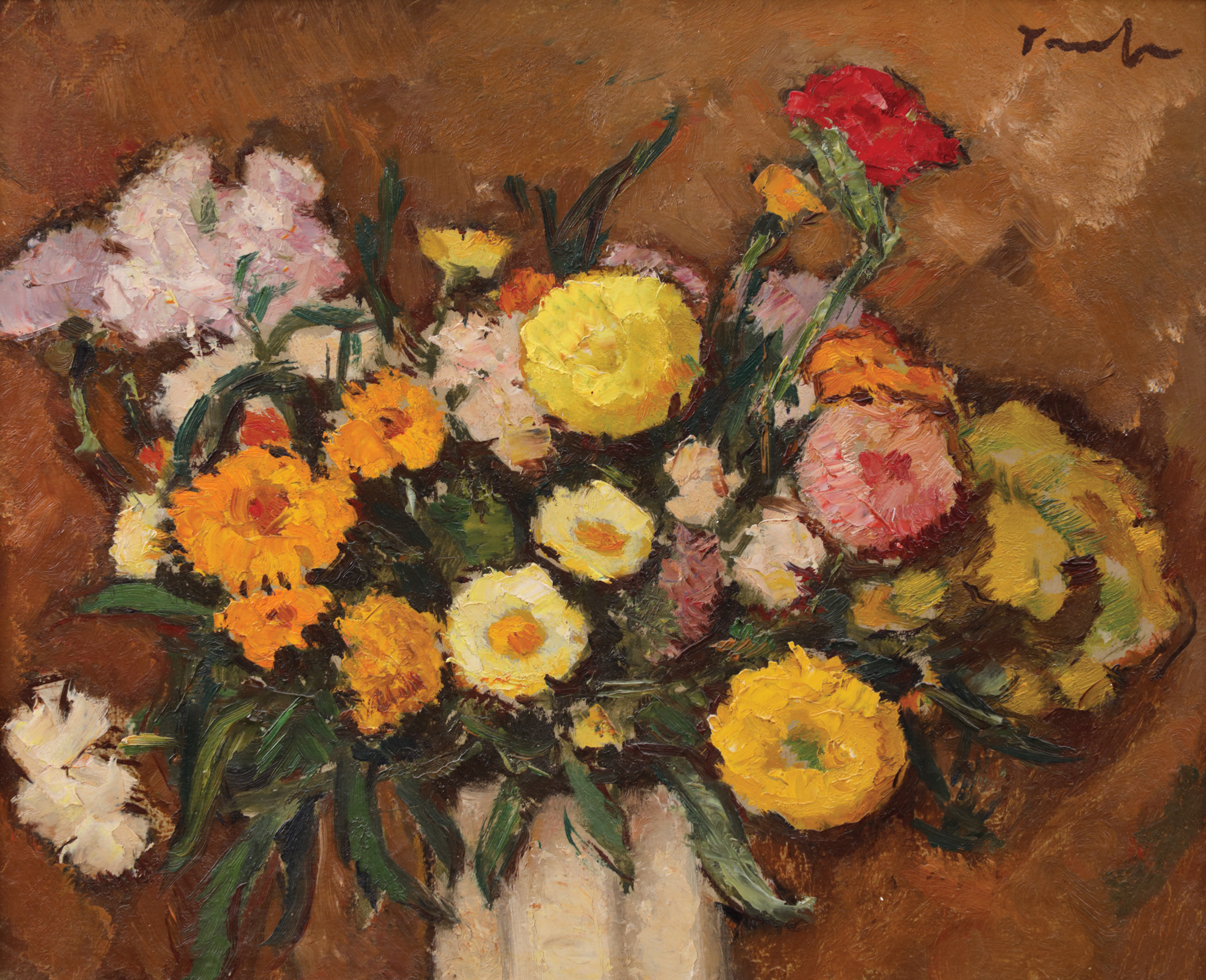
95. Carnations and Hollyhocks [beginning of the 30s]

1886, Bârlad - 1940, Bucureşti

Procjena

EUR 25.000 - 35.000

Prodano nakon aukcije

EUR 25.000

Sesija

Čet., 19 listopada 2023 19:00

His talent is shown especially his creation of colour, to which Tonitza pays special attention, taking into account the concept and the theme under which he places the paint. The artist does not reproduce nature, but represents it, thus becoming a protector of the environment that surrounds it. He composes a long-studied ode dedicated to floral elegance and shapes in paste, energetically handling the knife, carnations, hollyhocks, chrysanthemums, or roses. In his old age, Tonitza was surrounded by canvases that abounded in bouquets or flower vases. His biography blends with the creative element, so we can first identify the paintings devoted to flowers, in the joint exhibition "N.N. Tonitza – Ștefan Dimitrescu", of January-February 1920. However, the fervour of the elegies dedicated to nature is made known around 1935-1937, when the painter moved his creative workshop to the Durău Hermitage, in Neamţ. Tonitza came here for three consecutive summers, together with his students from the Academy of Fine Arts in Iași. Nature incited the creative spirit of the artist and remained one of the main muses for his work over the years. The "landscape" exits required by the German school, around Munich, at Dachau; the creation camps in Durău or the discovery of Dobrogea and Balchik materialized in a long series of works dedicated to nature and the exterior space, but also in the acquiring of a different colour palette or in the extensive exercises dedicated to the representation of light. The artist devoted this work to a spring bouquet, which he put together in bright tones and sharp chromatic accents. The choice of flowers, not accidental in the least, leads to the idea of fascination and boundless love, since carnations have often been associated with maternal love. We also note the hollyhocks, which are symbols of home protection, while embodying love and health. Tonitza’s flowers are the flowers that constantly appeared in the works of many Romanian artists over the course of time. From Petrașcu ’s hollyhocks to Aman’s carnations, the history of Romanian art is full of floral elegance transposed on the canvas, to which their authors assign much deeper meanings. Most works resulting from the artist’s trips to Durău, Mangalia, or Balchik were admired in the exhibitions of the "Group of Four", but also in personal exhibitions. The realization of the florals is therefore not unknown to Tonitza; instead, it became a recurrently approached motif, developed and adored by the nature-loving painter. (D.C.)

Literatura

PELEANU, Georgeta, "Expoziția N.N. Tonitza" ("N.N. Tonitza Exhibition"), Bucharest, 1964. ȘORBAN, Raoul, "Tonitza", Meridiane Publishing House, Bucharest, 1973.

Dimenzije

width 48 cm, height 39.5 cm

Opis

oil on cardboard, signed upper right, in brown, "Tonitza"

Izlasci

beginning of the 30s

DODATNE INFORMACIJE

Za pojašnjenja u vezi s postupkom licitiranja, troškovima kupnje, uvjetima jamstva, plaćanja i preuzimanja osvojenog lota preporučujemo da pažljivo pročitate/ponovno pročitate Pravilnik o licitiranju.

Za dodatne informacije o lotu i aukciji kontaktirajte Odjel umjetničkih savjetnika.

Alternativni lotovi

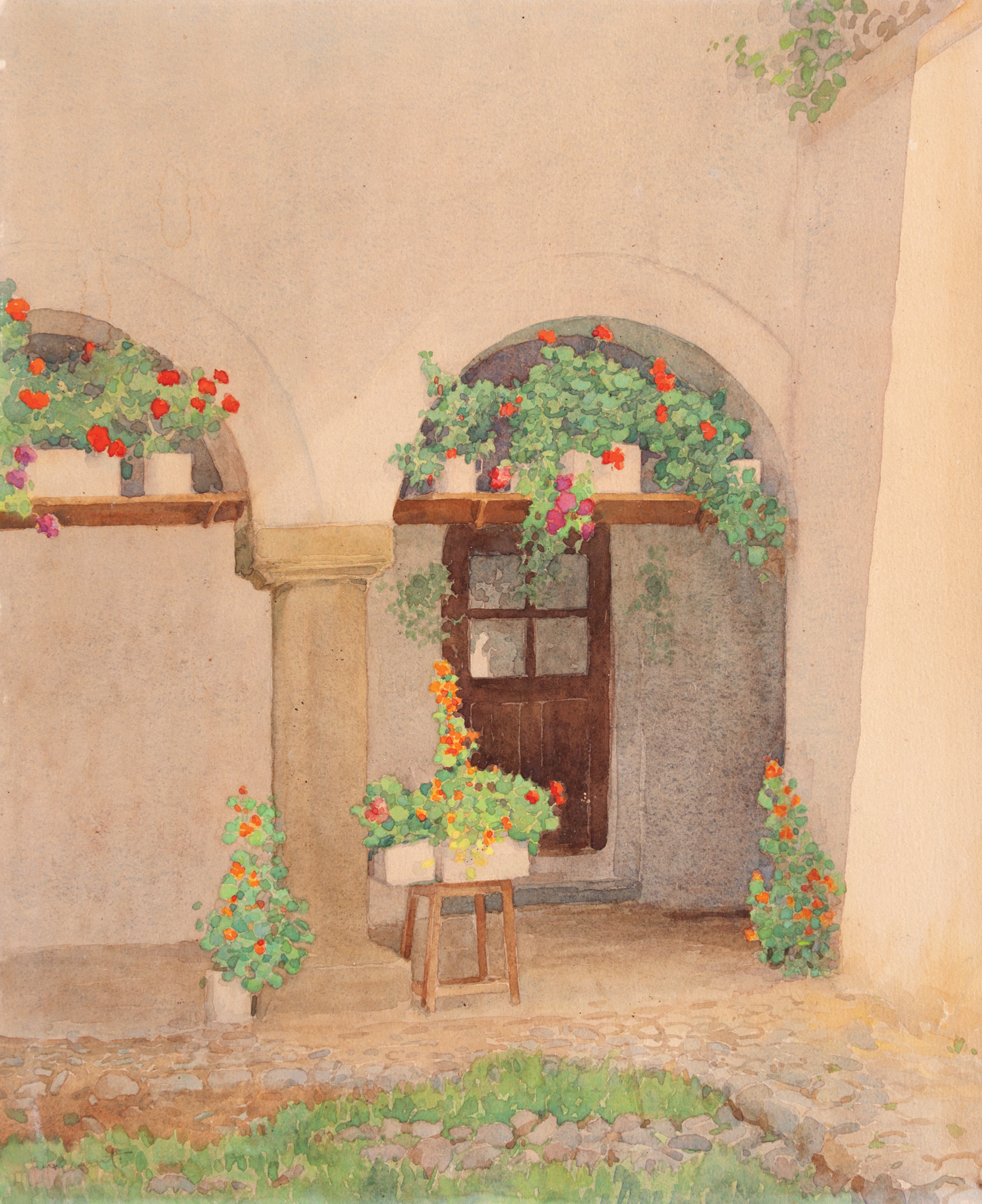
Geraniums on a Veranda

22. Geraniums on a Veranda

Nicolae Grant

    Procjena EUR 500 - 800
    Prodano EUR 1.200
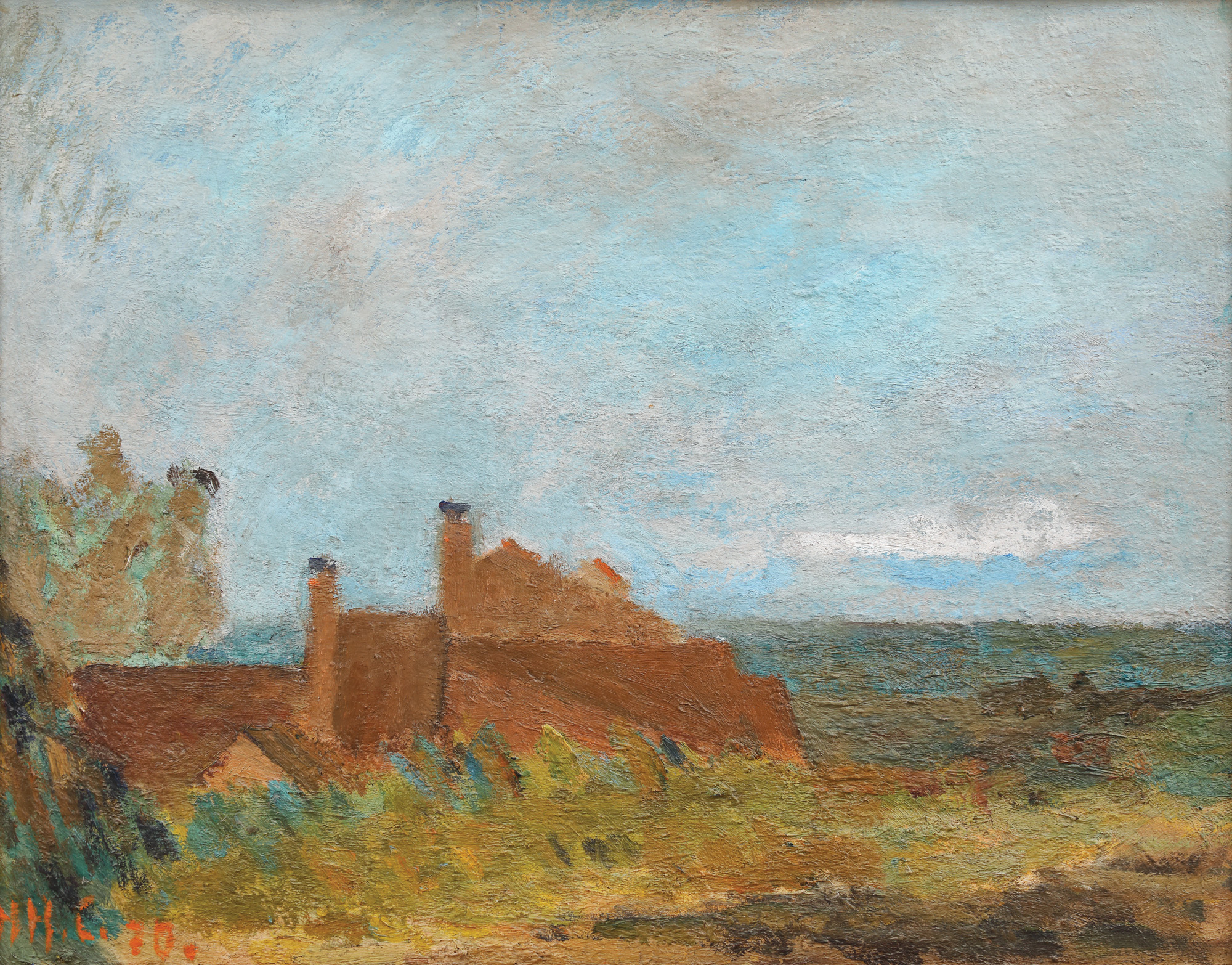
Houses at Mangalia

122. Houses at Mangalia [1970]

Henri H. Catargi

    Procjena EUR 900 - 1.500
    Prodano EUR 900
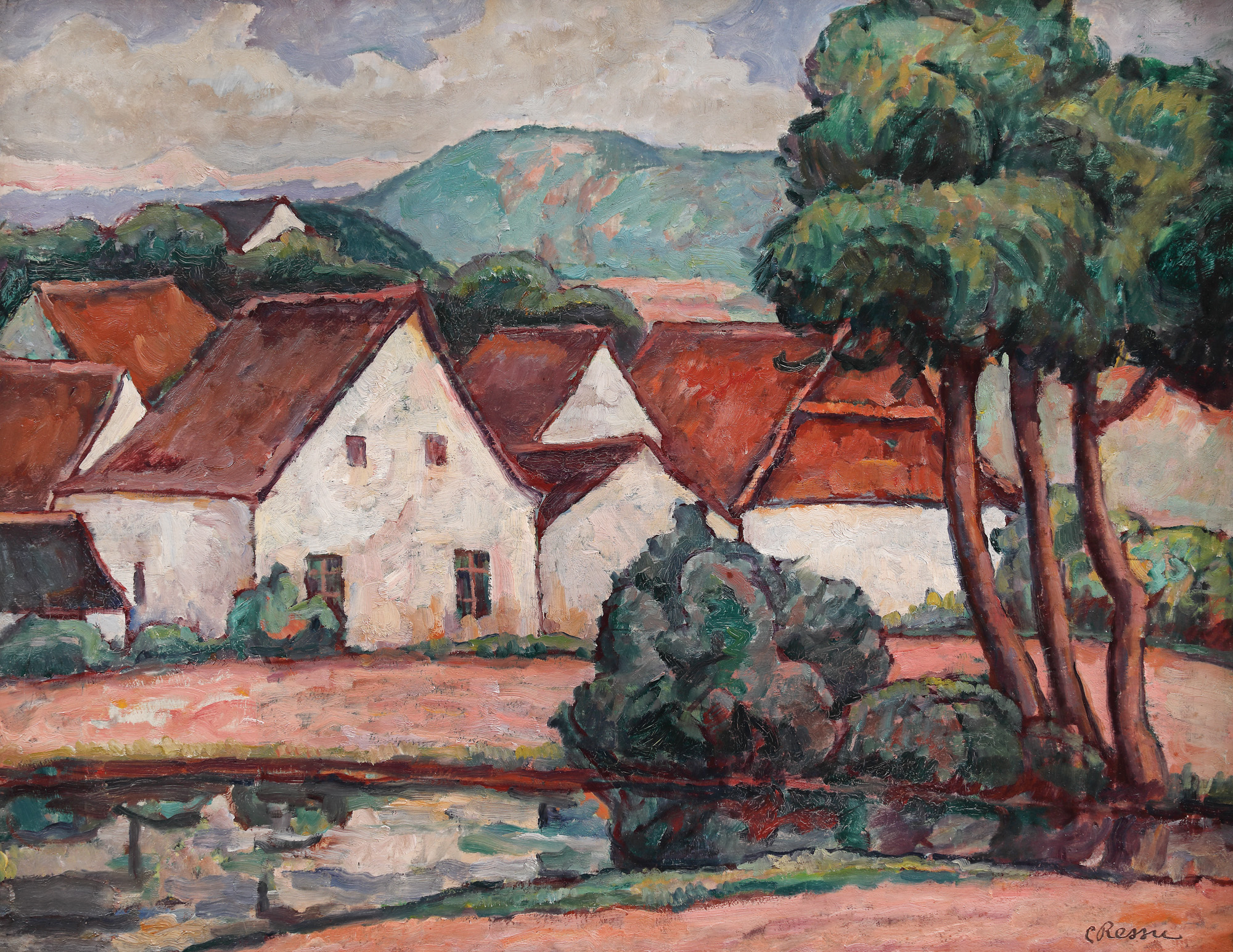
Transylvanian Village

93. Transylvanian Village [ca. 1921]

Camil Ressu

    Procjena EUR 8.000 - 12.000
    Prodano EUR 11.000
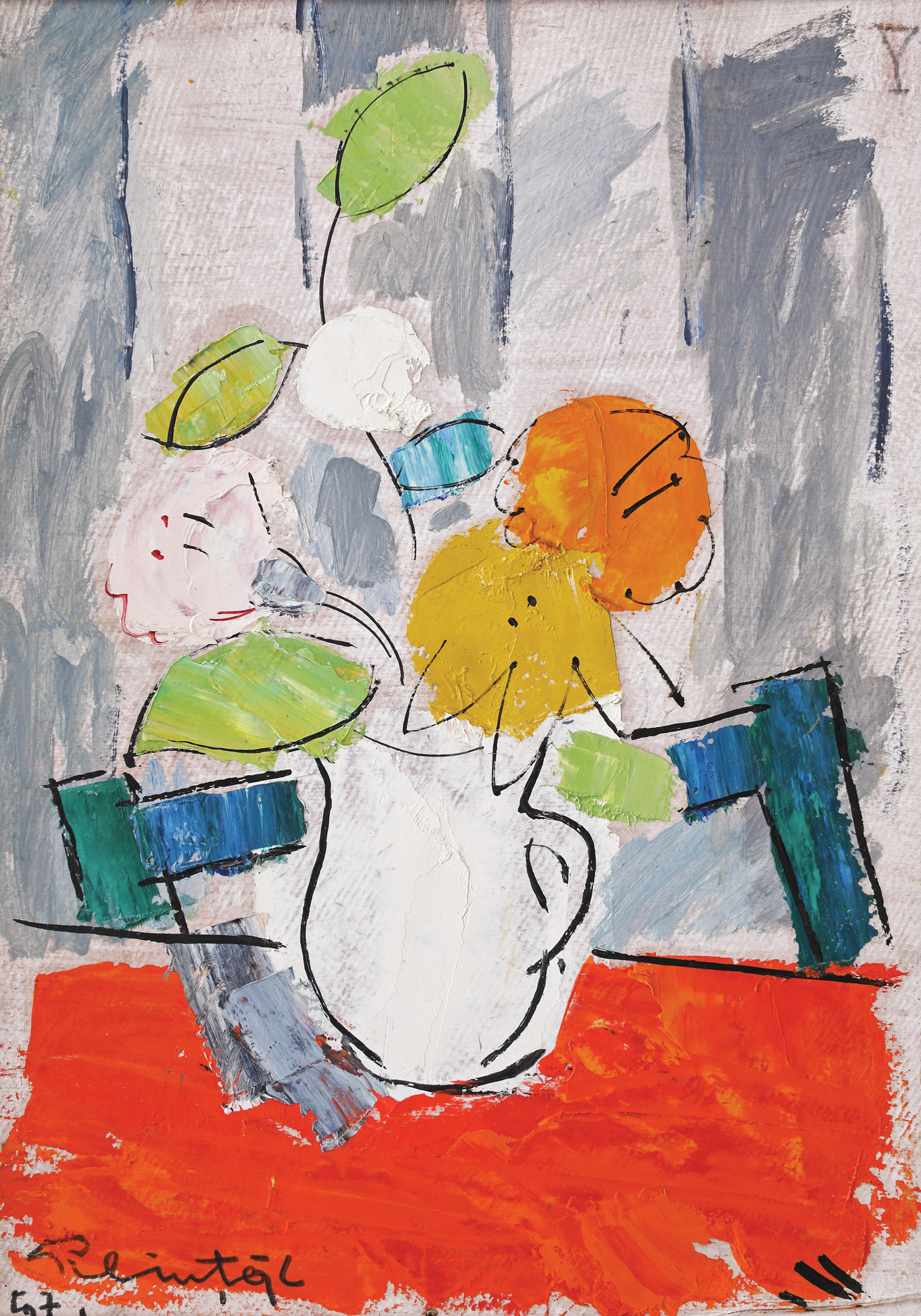
Still Life with Anemones

63. Still Life with Anemones [1954]

Constantin Piliuţă

    Procjena EUR 2.000 - 3.000
    Prodano EUR 4.750