Fotografije parcele su informativne i indikativne te ne mogu pružiti vrlo detaljan prikaz objekta iz svih kutova. Preporučujemo pažljiv fizički pregled parcele prije licitiranja.
Fotografije parcele su informativne i indikativne te ne mogu pružiti vrlo detaljan prikaz objekta iz svih kutova. Preporučujemo pažljiv fizički pregled parcele prije licitiranja.
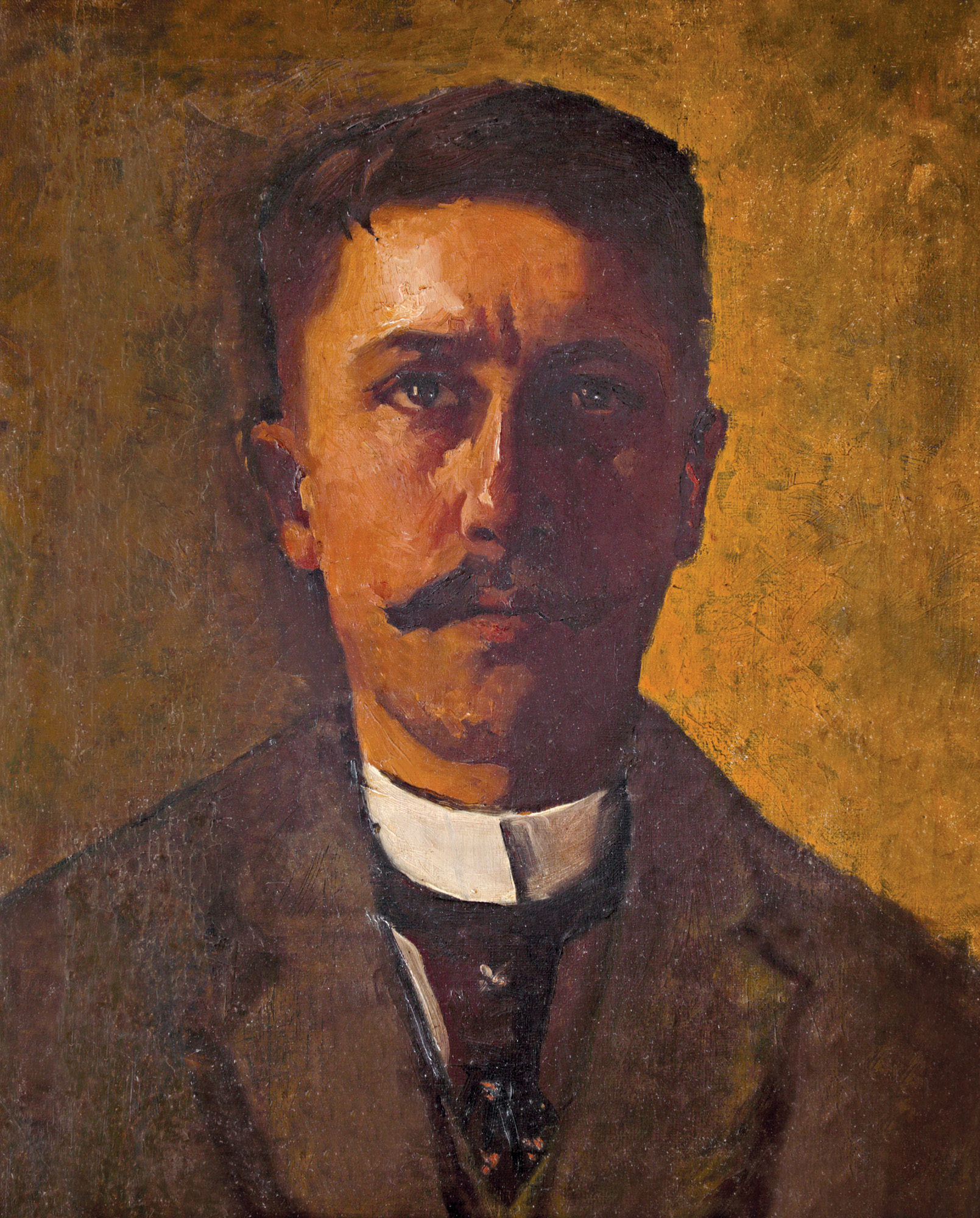
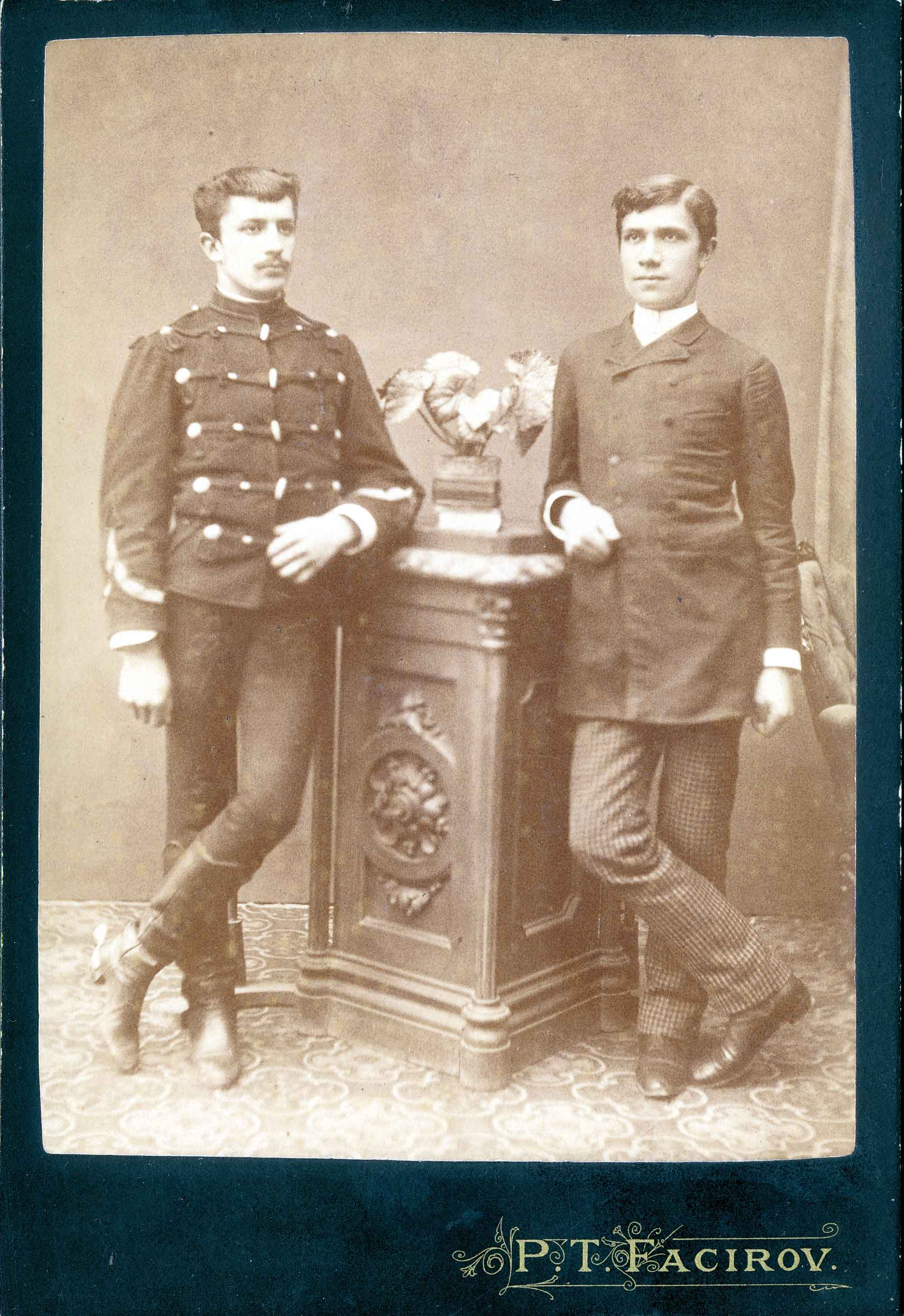
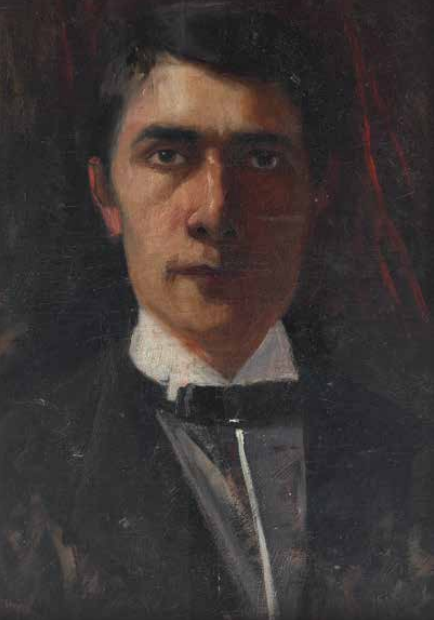
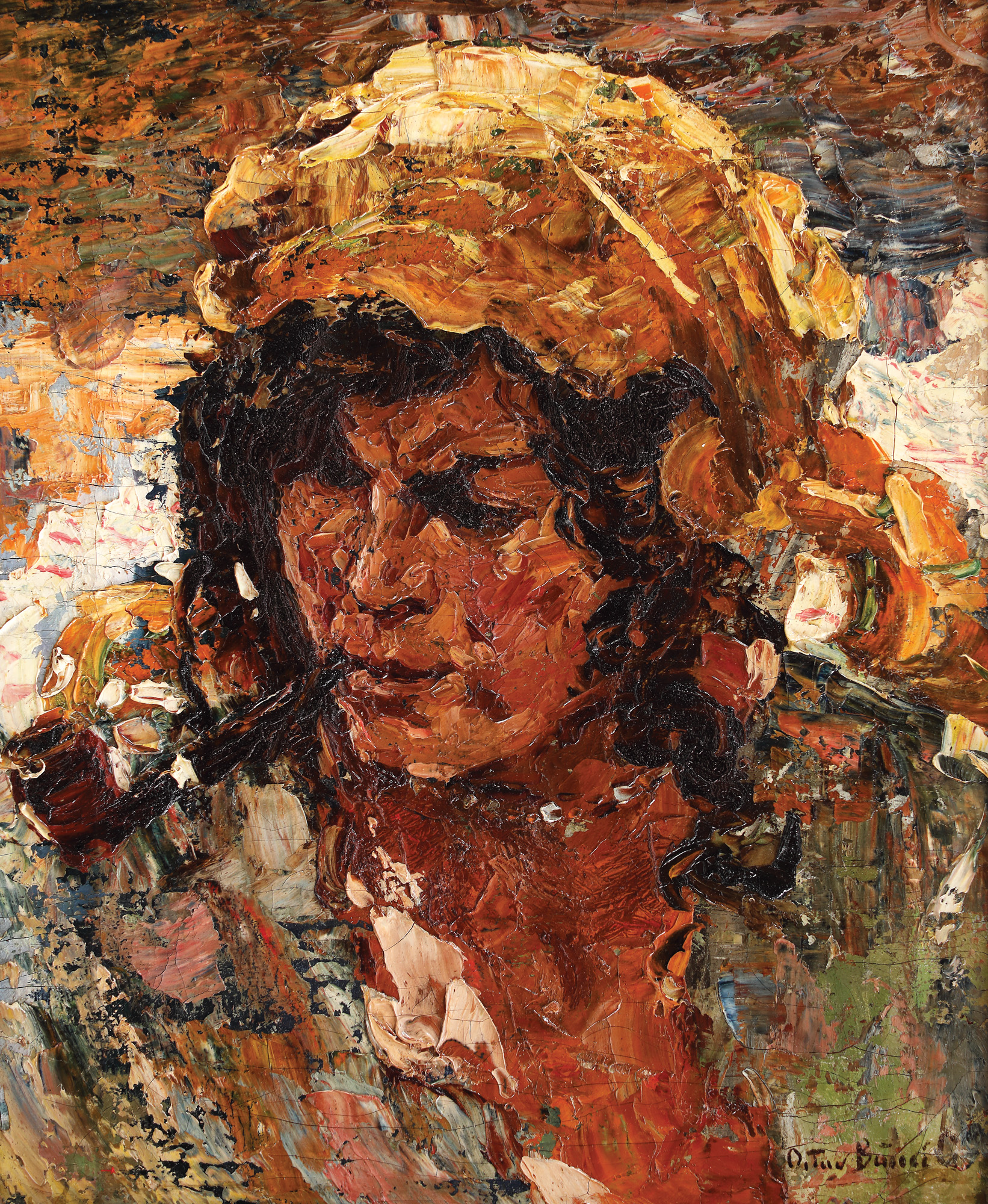
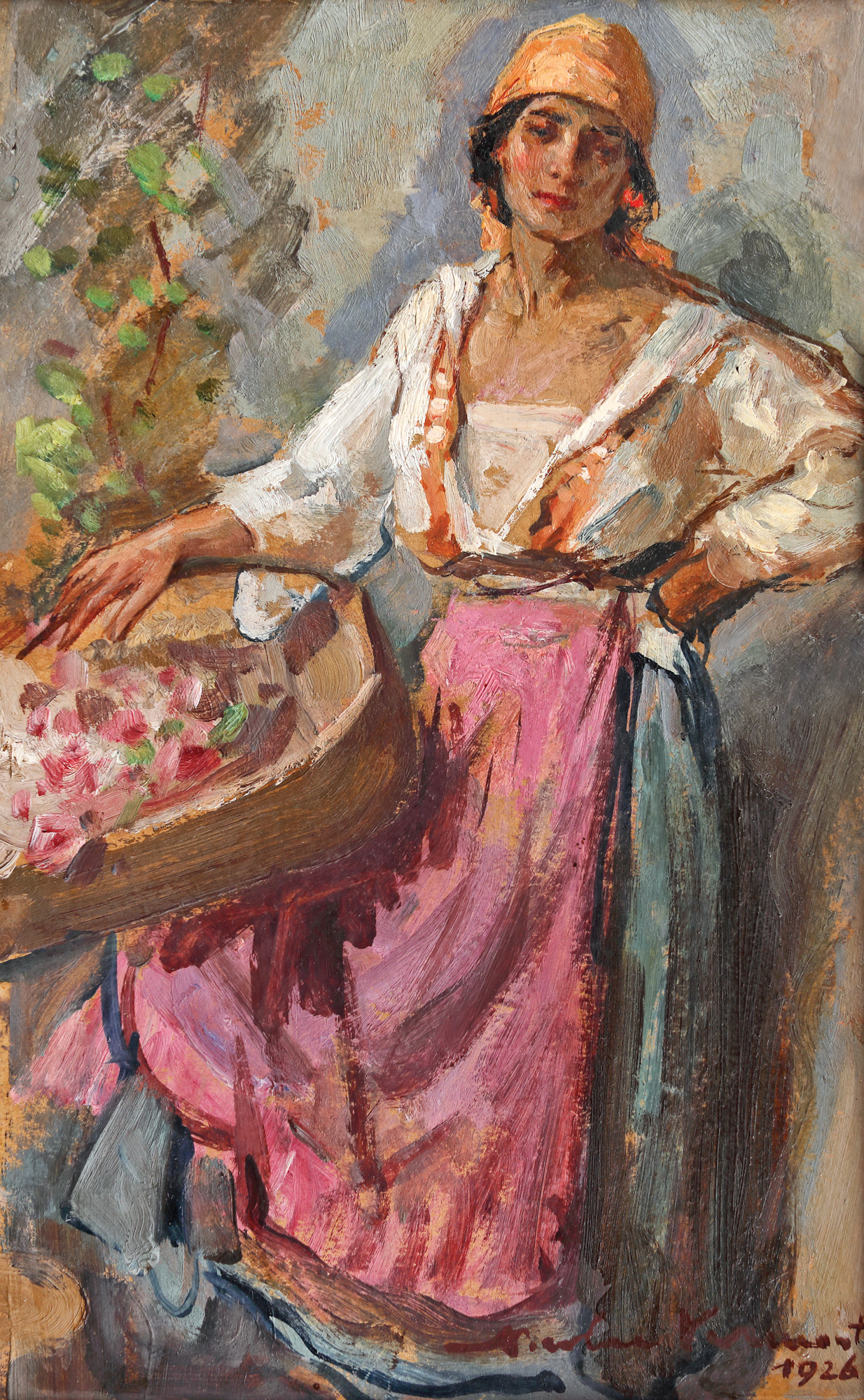
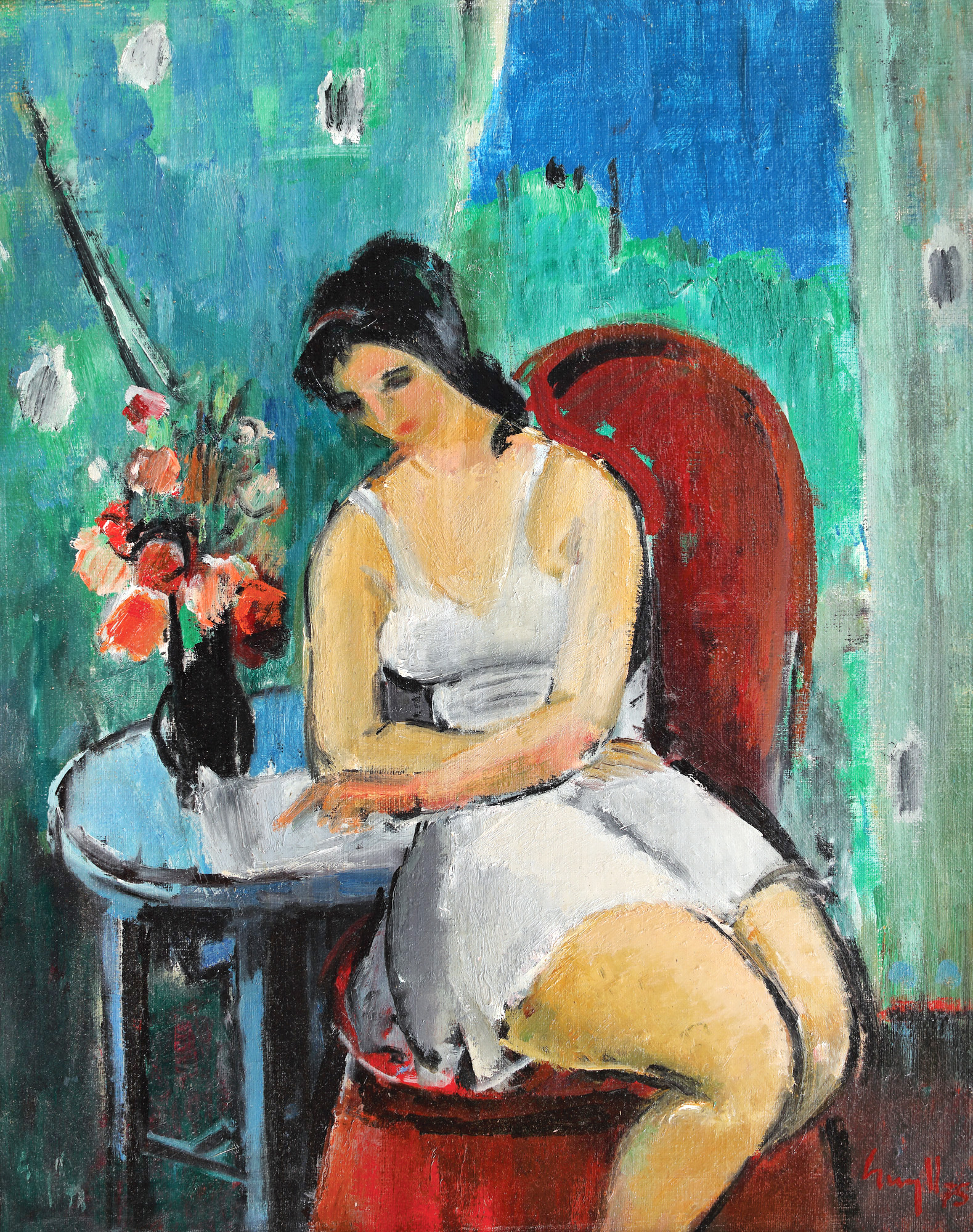
Ștefan Luchian’s work, in complete harmony with his life, bears the seal of authenticity. There were no early signs of artistic expression in his life (until the well-known moment of the drawings on the walls of the house), but his childhood served as a primary inspiration for his future creations. Along with his two younger brothers and the children from the neighbourhood, Ștefan Luchian often found himself playing in the streets neighbouring his house and often embarked on so-called expeditions to the Vergului Bridge, Obor or the merchants’ slum. On Sunday he ventured to church, where he was sometimes permitted to ring the great bell. Although he was the son of a former major-commander of the garrison in Ştefăneşti, Luchian did not attend the Infantry School, but he simultaneously studied Fine Arts and the Conservatory. The classes attended under the guidance of Theodor Aman or Gheorghe Tattarescu provided him with the necessary framework for acquiring prodigious knowledge in the art of drawing, which he would apply religiously in the features of his characters. He therefore studied the academic perspective of art, the same perspective he would encounter in his travels through the capital of Bavaria. In Munich he made copies after the great masters exhibited in the Old Pinakothek– we note here the transcript of Rembrandt’s work, "The Holy Family", which represents a revealing episode in his trajectory. He then arrived in Paris, where he discovered a new cultural horizon, much more suited to his temperament. In the history of Romanian art, Luchian remains known as a virtuoso of the portrait. Among the most famous works of this kind we mention "Flower Girl Safta", which enjoyed resounding echoes in the era. The primary direction in his art is therefore man. The beginning of his creation contained a series of portraits dedicated to his family members, executed either after the model or after photographs. We note the works dedicated to the mother, which he transposed in the middle of the field landscapes, lying on the grass, or whose features he sketched in portraits. He showed the same interest for the faces he met in his day-to-day life, but also people from the village, florists or nomads. However, the musicality of his visual work is especially translated into female faces and physiognomies. He often captures elegant, mysterious, graceful women who seem to "pose" with the obvious influences of French Impressionism. In this work, Luchian draws with the same dedication the features of his younger brother: Anibal. This time he adopts a more sober palette and relies on the pronounced play of light and shadow games. The heavy, pressed strokes of the brush leave behind them bright shades of ochre and earth tones. The elegant yet imposing outfit, chosen according to the fashion of the time; but also the moustache and carefully arranged hair, reveals to us the corporal of the 30th Muscel Regiment, Anibal Luchian. Still retaining the reminiscences of the academic teachings, the artist illustrates his brother in a contemplative, concentrated stance, with a penetrating look, deep in his own thoughts. Although Luchian’s portraits are often individualized, they become exponential for an entire social category. In his rich portrait work, the artist captures the human drama, the faces marked by thoughts, and the eyes crushed by his characters’ inward dramas.
Literatura
LASSAIGNE, Jacques, "Ștefan Luchian", Meridiane Publishing House, Bucharest, 1972.
CIUCĂ, Valentin, "Pe urmele lui Ștefan Luchian" ("In the footsteps of Ștefan Luchian"), Pim Publishing House, Iași, 2016.
MARINACHE, Oana, "Casele familiei Luchian și arhitecții lor" ("Luchian family houses and their architects"), 2016.
Dimenzije
width 39.5 cm, height 55.5 cm
Opis
oil on canvas, signed bottom right, in brown, "Luchian"
Izlasci
cca. 1910
DODATNE INFORMACIJE
Za pojašnjenja u vezi s postupkom licitiranja, troškovima kupnje, uvjetima jamstva, plaćanja i preuzimanja osvojenog lota preporučujemo da pažljivo pročitate/ponovno pročitate Pravilnik o licitiranju.
Ștefan Luchian’s work, in complete harmony with his life, bears the seal of authenticity. There were no early signs of artistic expression in his life (until the well-known moment of the drawings on the walls of the house), but his childhood served as a primary inspiration for his future creations. Along with his two younger brothers and the children from the neighbourhood, Ștefan Luchian often found himself playing in the streets neighbouring his house and often embarked on so-called expeditions to the Vergului Bridge, Obor or the merchants’ slum. On Sunday he ventured to church, where he was sometimes permitted to ring the great bell. Although he was the son of a former major-commander of the garrison in Ştefăneşti, Luchian did not attend the Infantry School, but he simultaneously studied Fine Arts and the Conservatory. The classes attended under the guidance of Theodor Aman or Gheorghe Tattarescu provided him with the necessary framework for acquiring prodigious knowledge in the art of drawing, which he would apply religiously in the features of his characters. He therefore studied the academic perspective of art, the same perspective he would encounter in his travels through the capital of Bavaria. In Munich he made copies after the great masters exhibited in the Old Pinakothek– we note here the transcript of Rembrandt’s work, "The Holy Family", which represents a revealing episode in his trajectory. He then arrived in Paris, where he discovered a new cultural horizon, much more suited to his temperament. In the history of Romanian art, Luchian remains known as a virtuoso of the portrait. Among the most famous works of this kind we mention "Flower Girl Safta", which enjoyed resounding echoes in the era. The primary direction in his art is therefore man. The beginning of his creation contained a series of portraits dedicated to his family members, executed either after the model or after photographs. We note the works dedicated to the mother, which he transposed in the middle of the field landscapes, lying on the grass, or whose features he sketched in portraits. He showed the same interest for the faces he met in his day-to-day life, but also people from the village, florists or nomads. However, the musicality of his visual work is especially translated into female faces and physiognomies. He often captures elegant, mysterious, graceful women who seem to "pose" with the obvious influences of French Impressionism. In this work, Luchian draws with the same dedication the features of his younger brother: Anibal. This time he adopts a more sober palette and relies on the pronounced play of light and shadow games. The heavy, pressed strokes of the brush leave behind them bright shades of ochre and earth tones. The elegant yet imposing outfit, chosen according to the fashion of the time; but also the moustache and carefully arranged hair, reveals to us the corporal of the 30th Muscel Regiment, Anibal Luchian. Still retaining the reminiscences of the academic teachings, the artist illustrates his brother in a contemplative, concentrated stance, with a penetrating look, deep in his own thoughts. Although Luchian’s portraits are often individualized, they become exponential for an entire social category. In his rich portrait work, the artist captures the human drama, the faces marked by thoughts, and the eyes crushed by his characters’ inward dramas.
DODATNE INFORMACIJE
Za pojašnjenja u vezi s postupkom licitiranja, troškovima kupnje, uvjetima jamstva, plaćanja i preuzimanja osvojenog lota preporučujemo da pažljivo pročitate/ponovno pročitate Pravilnik o licitiranju.
LASSAIGNE, Jacques, "Ștefan Luchian", Meridiane Publishing House, Bucharest, 1972.
CIUCĂ, Valentin, "Pe urmele lui Ștefan Luchian" ("In the footsteps of Ștefan Luchian"), Pim Publishing House, Iași, 2016.
MARINACHE, Oana, "Casele familiei Luchian și arhitecții lor" ("Luchian family houses and their architects"), 2016.
Dimenzije
width 39.5 cm, height 55.5 cm
Opis
oil on canvas, signed bottom right, in brown, "Luchian"