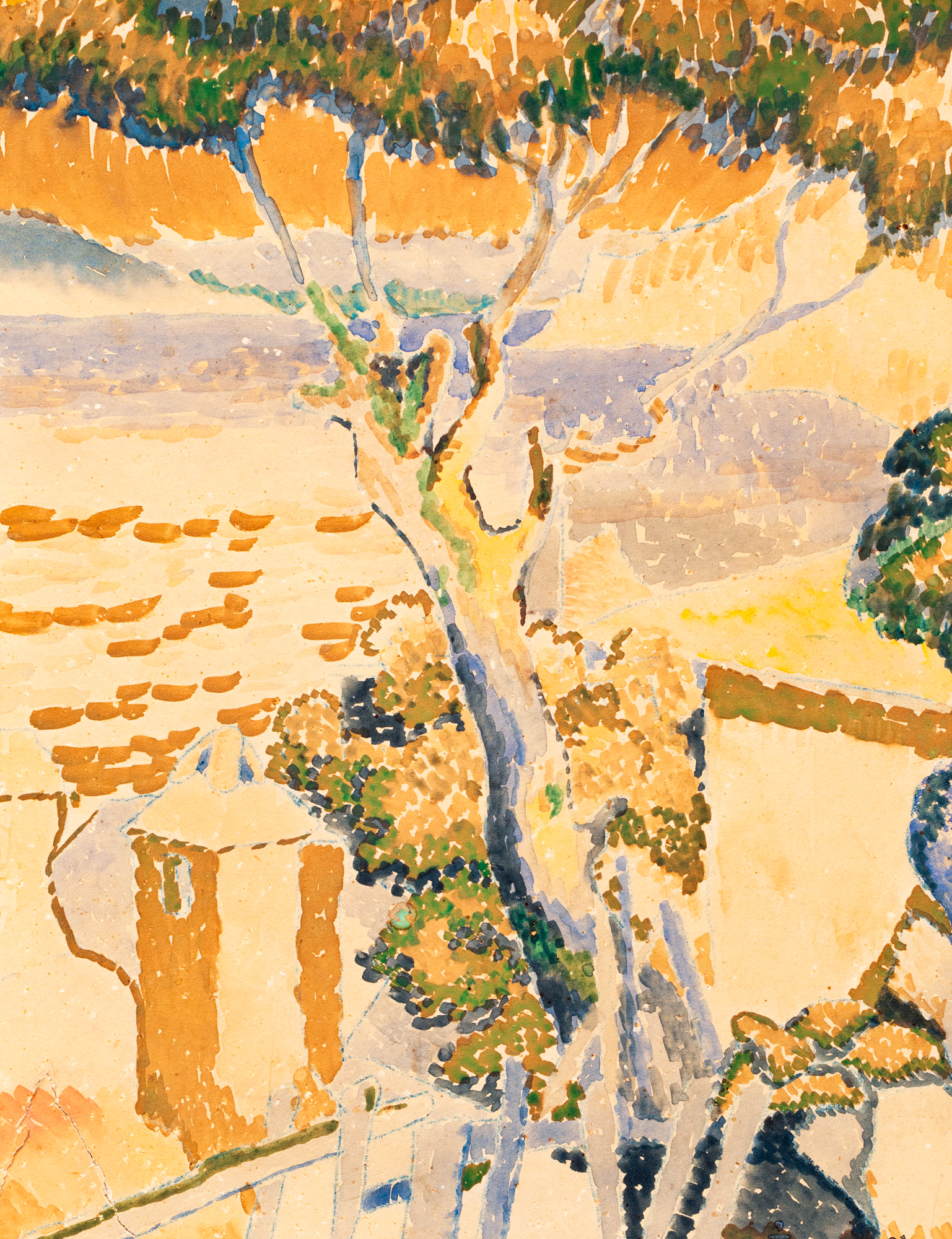
Fotografije parcele su informativne i indikativne te ne mogu pružiti vrlo detaljan prikaz objekta iz svih kutova. Preporučujemo pažljiv fizički pregled parcele prije licitiranja.
Fotografije parcele su informativne i indikativne te ne mogu pružiti vrlo detaljan prikaz objekta iz svih kutova. Preporučujemo pažljiv fizički pregled parcele prije licitiranja.
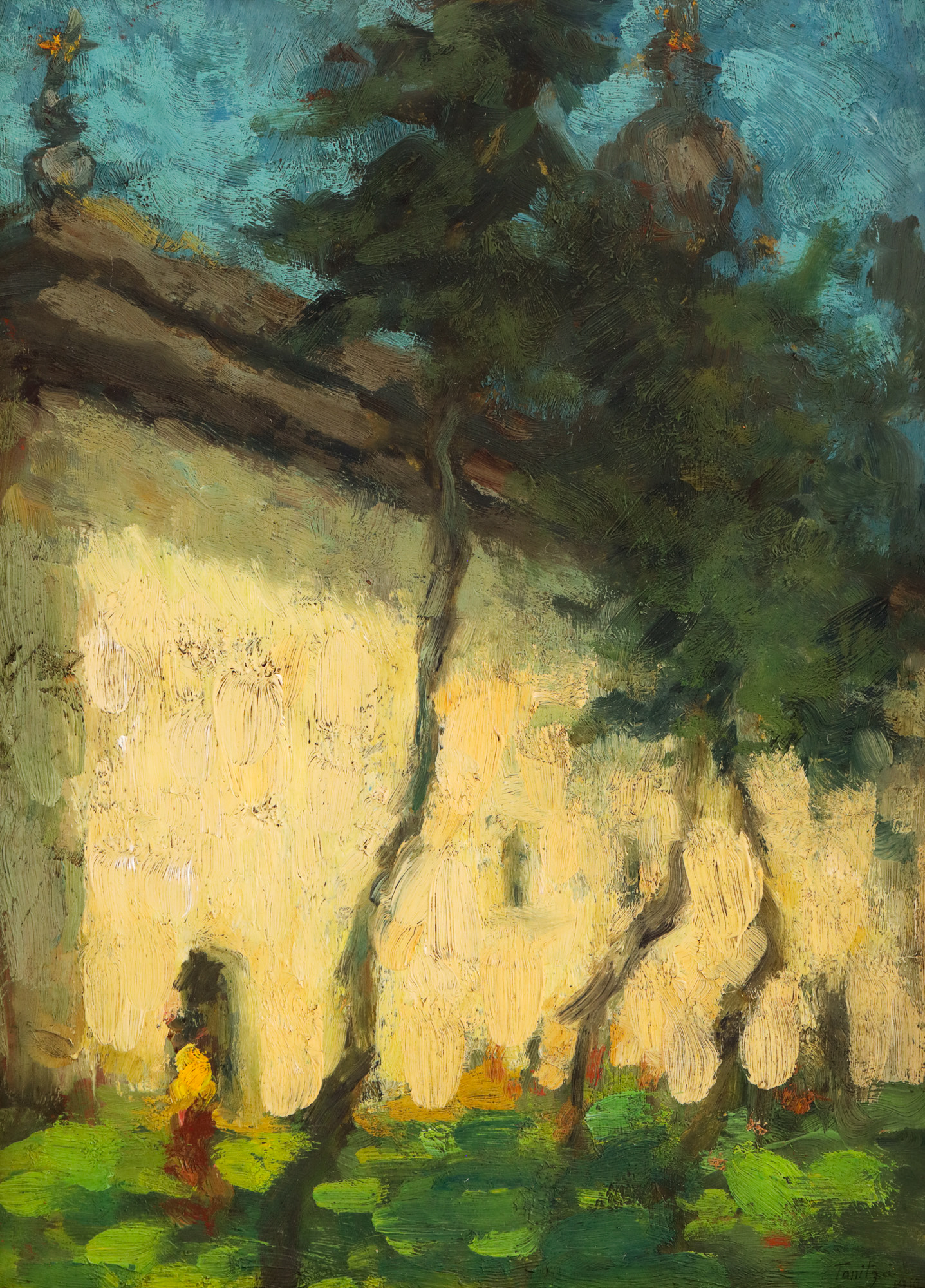
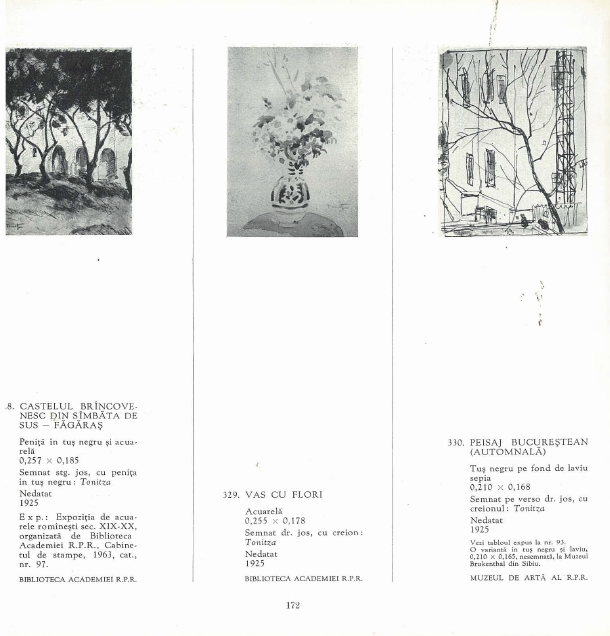
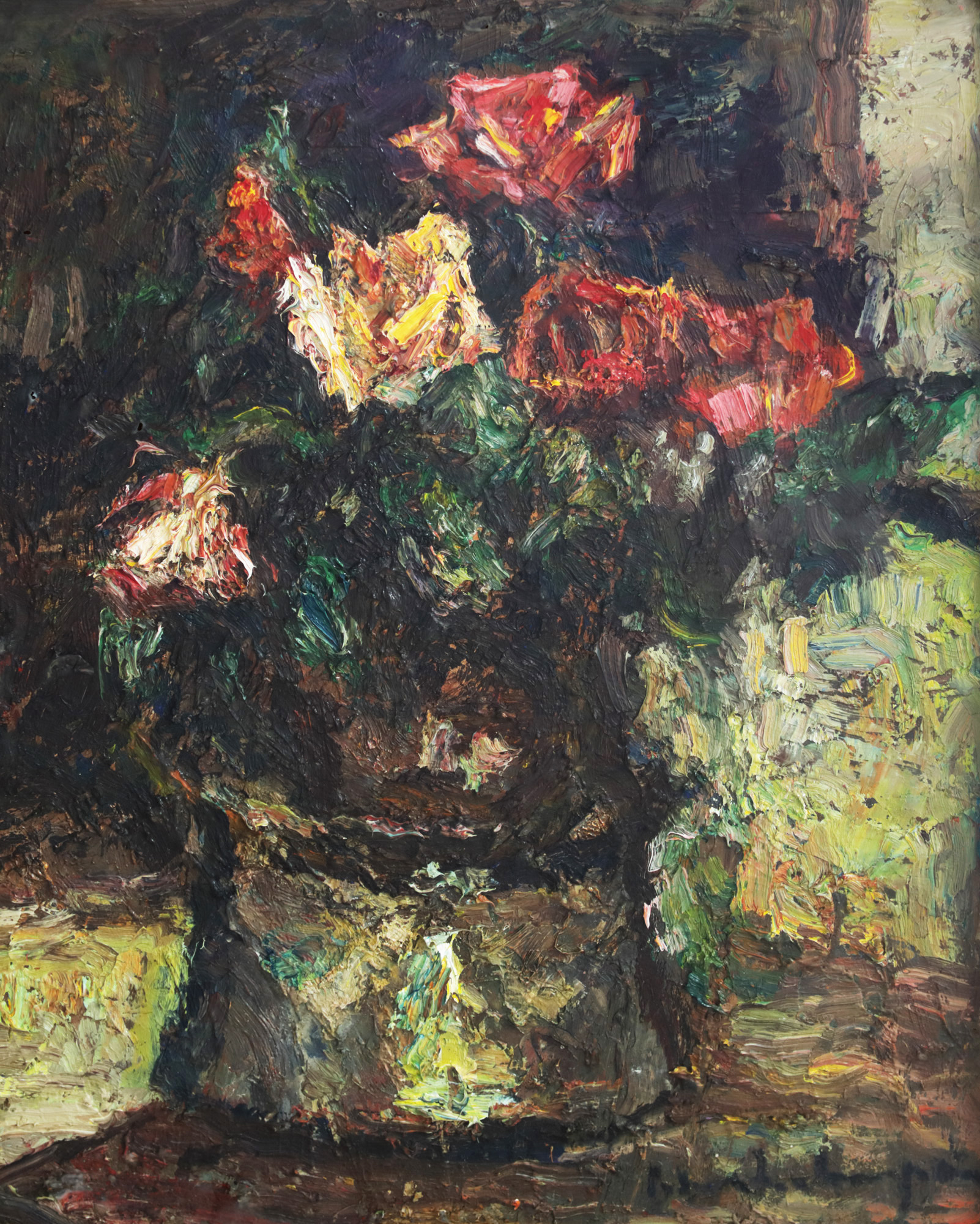
In 1906, while he was still a student at the School of Fine Arts in Iași, Nicolae Tonitza, along with his colleague Ștefan Dimitrescu, submitted a request to the school's board. Through this request, they asked for travel exemptions for train journeys - both students believed that the beauty of local landscapes had to be experienced up close to be better translated onto canvas. Thus began a close relationship with Dimitrescu, with whom he would initiate several artistic groups, including "Romanian Art" and "The Group of Four". About Dimitrescu, Tonitza had only words of praise. He appreciated his determination to find his own path in the vast expanse of art and described him as so taken up by the subjects he represented that he became synonymous with them, akin to the "great chosen of the arts". The two, alongside other artists, would work on painting churches; they would organize their first exhibitions together and carry out a more or less intentional exchange of technical and visual influences. They would support each other in their applications for positions at the fine arts school's art chair and constantly and diligently collaborate to explore and capitalize on Romania's artistic potential. In 1926, their wanderings in their native lands brought the two friends to Țara Făgărașului, at Sâmbăta de Sus. They would work here at the Brâncoveanu Castle, an impressive monument that would later be transformed into a pictorial motif by both artists. As a result, Tonitza's travels were reflected in dedicated thematic cycles; Făgăraș would become a recurring topos in his artistic and graphic work. During 1907-1909, with his departure to Munich, Tonitza assimilated and implemented the precepts of academicism. A few years later, between 1910-1911, he came into direct contact with Impressionism. We will notice the influence of this style in the works that date from this period, as in the present piece. In his 1910 landscapes, Tonitza adopted a style with manifest impressionistic influences: fluid composition; fine contour line; patches of color that render a vibrant atmosphere. He started painting directly in front of the motif, especially in warm weather, when he would prop his easel into the fertile soil and subtly detach from everyday triviality. In the reviews he published in the "Literary Universe", he reiterated his orientation towards Impressionism and a much freer art, pragmatically and progressively distancing from the academic teachings acquired in Bavaria. He praised Claude Monet, Toulouse-Lautrec, Georges Seurat, Utrillo, and Cézanne and diligently studied their works. In trying to perfect his own painting style, he engaged in complex exercises in front of the model or the landscape. He painted in Luxembourg, Barbizon, Sannois, or Courbevoie, and upon return to his country, he moved his easel to the most rural areas charged with pictorial motives from his perspective.
Literatura
BREZIANU, Barbu, "Tonitza", Academy Publishing House of the Socialist Republic of Romania, Bucharest, 1967.
PARADAIS, Claudiu, "Ștefan Dimitrescu", Meridians Publishing House, Bucharest, 1978.
Dimenzije
width 20 cm, height 27.5 cm
Opis
oil on cardboard, signed and dated bottom right, in pencil, "Tonitză, 1910"
Izlasci
1910
DODATNE INFORMACIJE
Za pojašnjenja u vezi s postupkom licitiranja, troškovima kupnje, uvjetima jamstva, plaćanja i preuzimanja osvojenog lota preporučujemo da pažljivo pročitate/ponovno pročitate Pravilnik o licitiranju.
In 1906, while he was still a student at the School of Fine Arts in Iași, Nicolae Tonitza, along with his colleague Ștefan Dimitrescu, submitted a request to the school's board. Through this request, they asked for travel exemptions for train journeys - both students believed that the beauty of local landscapes had to be experienced up close to be better translated onto canvas. Thus began a close relationship with Dimitrescu, with whom he would initiate several artistic groups, including "Romanian Art" and "The Group of Four". About Dimitrescu, Tonitza had only words of praise. He appreciated his determination to find his own path in the vast expanse of art and described him as so taken up by the subjects he represented that he became synonymous with them, akin to the "great chosen of the arts". The two, alongside other artists, would work on painting churches; they would organize their first exhibitions together and carry out a more or less intentional exchange of technical and visual influences. They would support each other in their applications for positions at the fine arts school's art chair and constantly and diligently collaborate to explore and capitalize on Romania's artistic potential. In 1926, their wanderings in their native lands brought the two friends to Țara Făgărașului, at Sâmbăta de Sus. They would work here at the Brâncoveanu Castle, an impressive monument that would later be transformed into a pictorial motif by both artists. As a result, Tonitza's travels were reflected in dedicated thematic cycles; Făgăraș would become a recurring topos in his artistic and graphic work. During 1907-1909, with his departure to Munich, Tonitza assimilated and implemented the precepts of academicism. A few years later, between 1910-1911, he came into direct contact with Impressionism. We will notice the influence of this style in the works that date from this period, as in the present piece. In his 1910 landscapes, Tonitza adopted a style with manifest impressionistic influences: fluid composition; fine contour line; patches of color that render a vibrant atmosphere. He started painting directly in front of the motif, especially in warm weather, when he would prop his easel into the fertile soil and subtly detach from everyday triviality. In the reviews he published in the "Literary Universe", he reiterated his orientation towards Impressionism and a much freer art, pragmatically and progressively distancing from the academic teachings acquired in Bavaria. He praised Claude Monet, Toulouse-Lautrec, Georges Seurat, Utrillo, and Cézanne and diligently studied their works. In trying to perfect his own painting style, he engaged in complex exercises in front of the model or the landscape. He painted in Luxembourg, Barbizon, Sannois, or Courbevoie, and upon return to his country, he moved his easel to the most rural areas charged with pictorial motives from his perspective.
DODATNE INFORMACIJE
Za pojašnjenja u vezi s postupkom licitiranja, troškovima kupnje, uvjetima jamstva, plaćanja i preuzimanja osvojenog lota preporučujemo da pažljivo pročitate/ponovno pročitate Pravilnik o licitiranju.
BREZIANU, Barbu, "Tonitza", Academy Publishing House of the Socialist Republic of Romania, Bucharest, 1967.
PARADAIS, Claudiu, "Ștefan Dimitrescu", Meridians Publishing House, Bucharest, 1978.
Dimenzije
width 20 cm, height 27.5 cm
Opis
oil on cardboard, signed and dated bottom right, in pencil, "Tonitză, 1910"