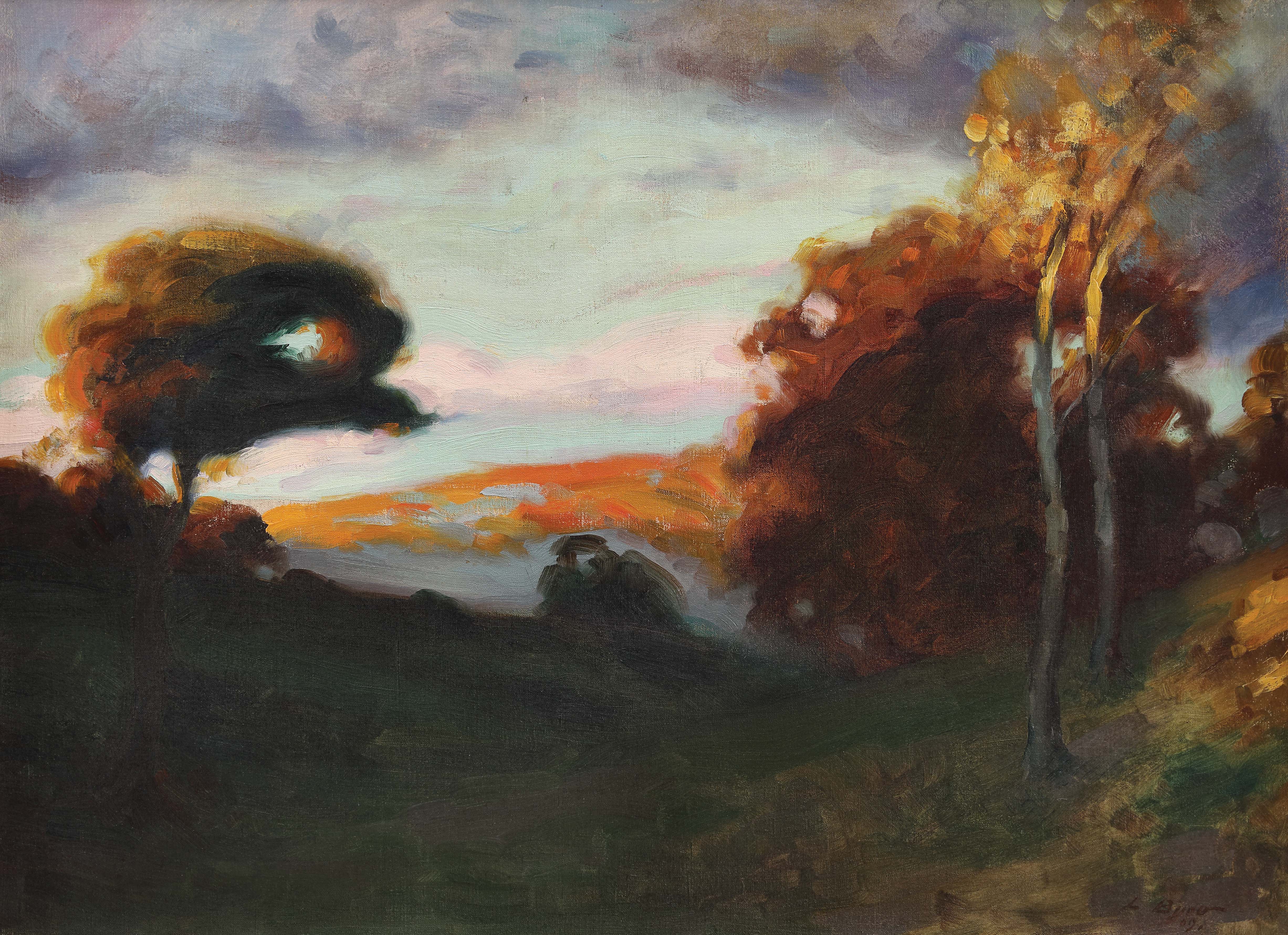

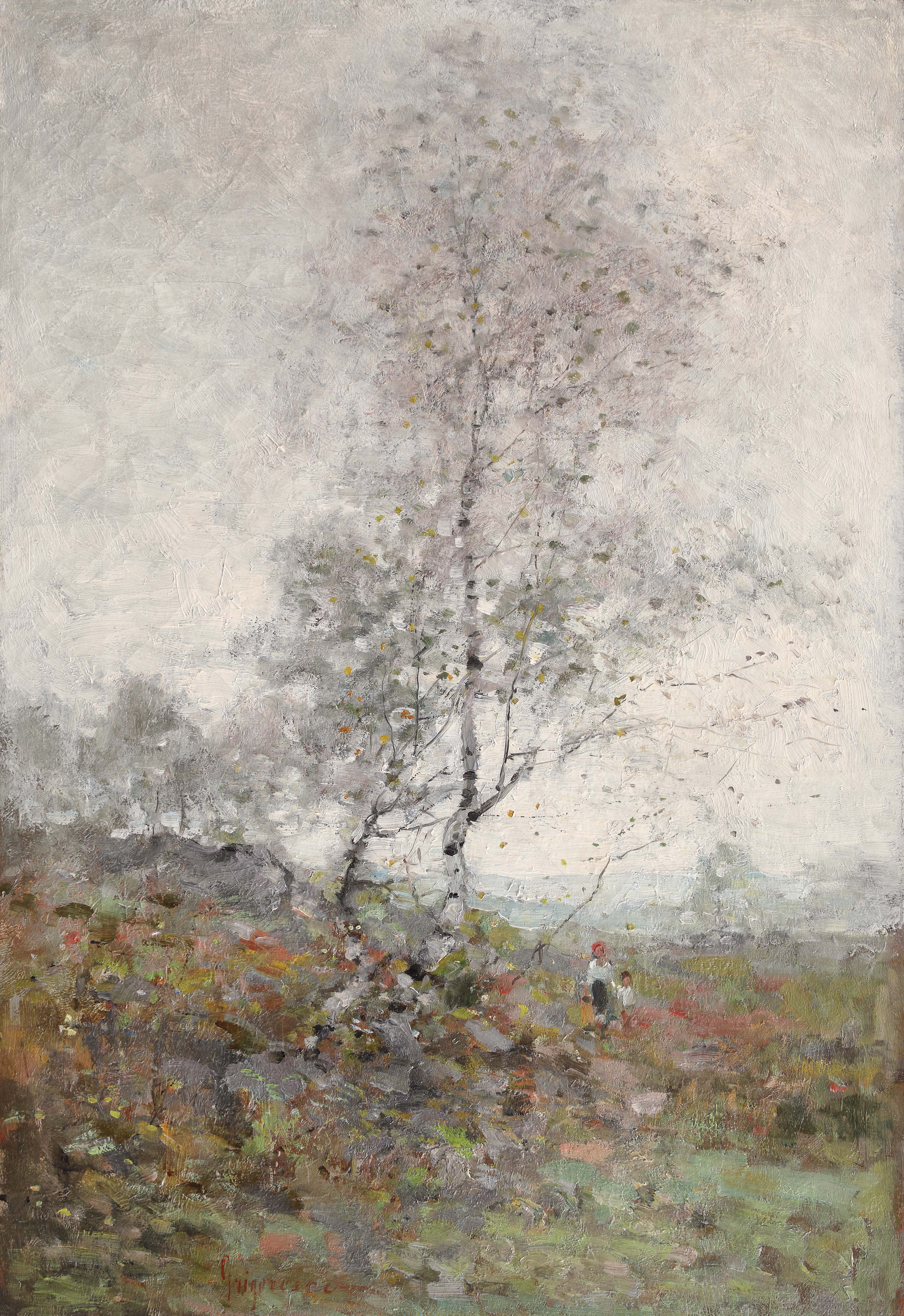
116. Spring at Câmpina [1885-1890]
Procjena
EUR 70.000 - 120.000
Prodano
EUR 95.000
Sesija
Uto., 22 ožujka 2022 19:00
Literatura
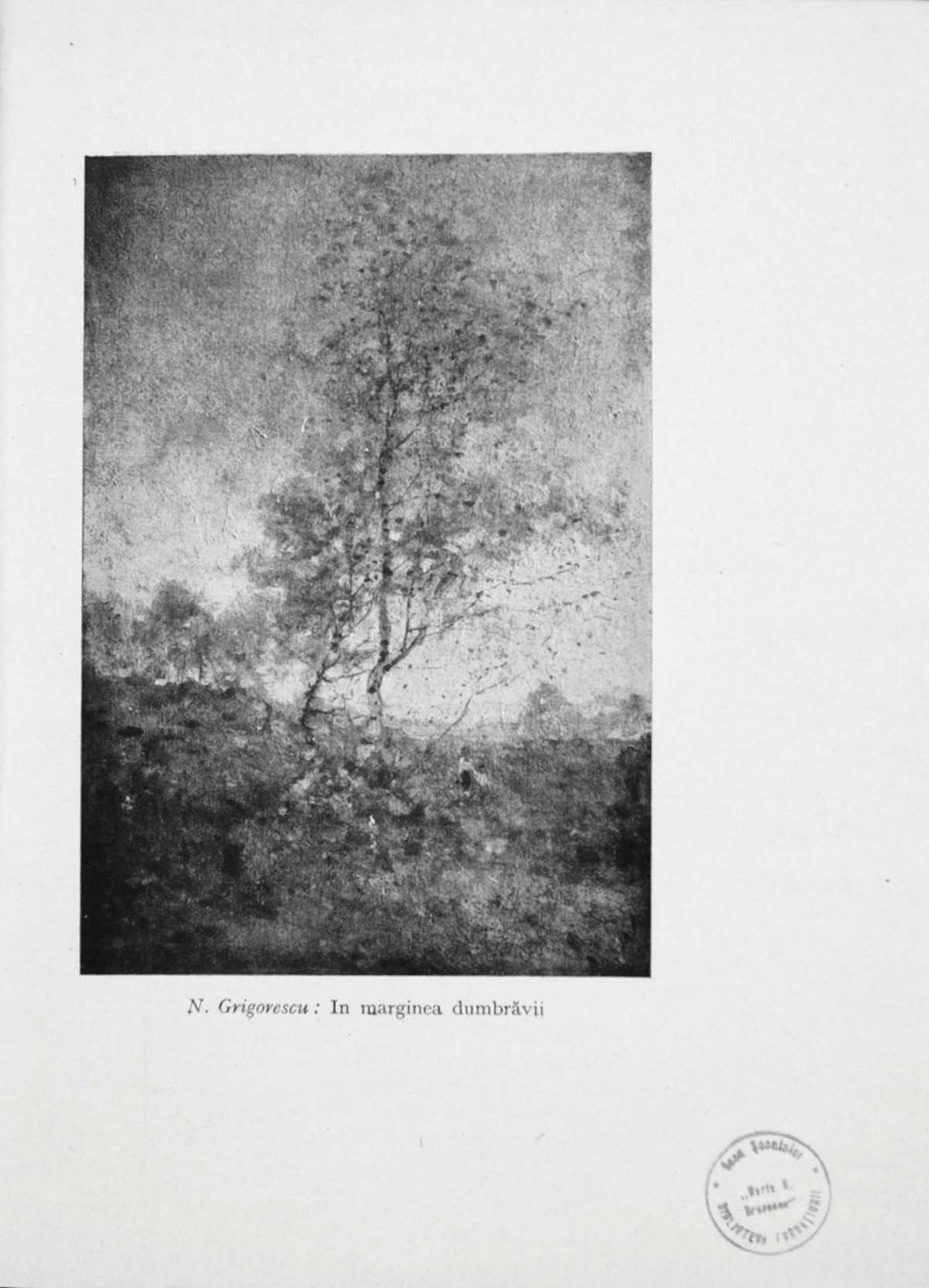
VLAHUȚĂ, Alexandru, "Pictorul Nicolae Grigorescu. Viața și opera lui" ("The painter Nicolae Grigorescu. His life and work"), Casa Școalelor Publishing House, Bucharest, 1910. VIDA, Mariana, "Grigorescu pictor al naturii=Grigorescu peintre de la nature: (1838-1907)", Publishing House of the Art Museum of the Socialist Republic of Romania, Bucharest, 2007.
Dimenzije
width 43 cm, height 62.5 cm
Opis
oil on canvas, signed bottom centred, with brown, "Grigorescu"
Informacije o istraživanju
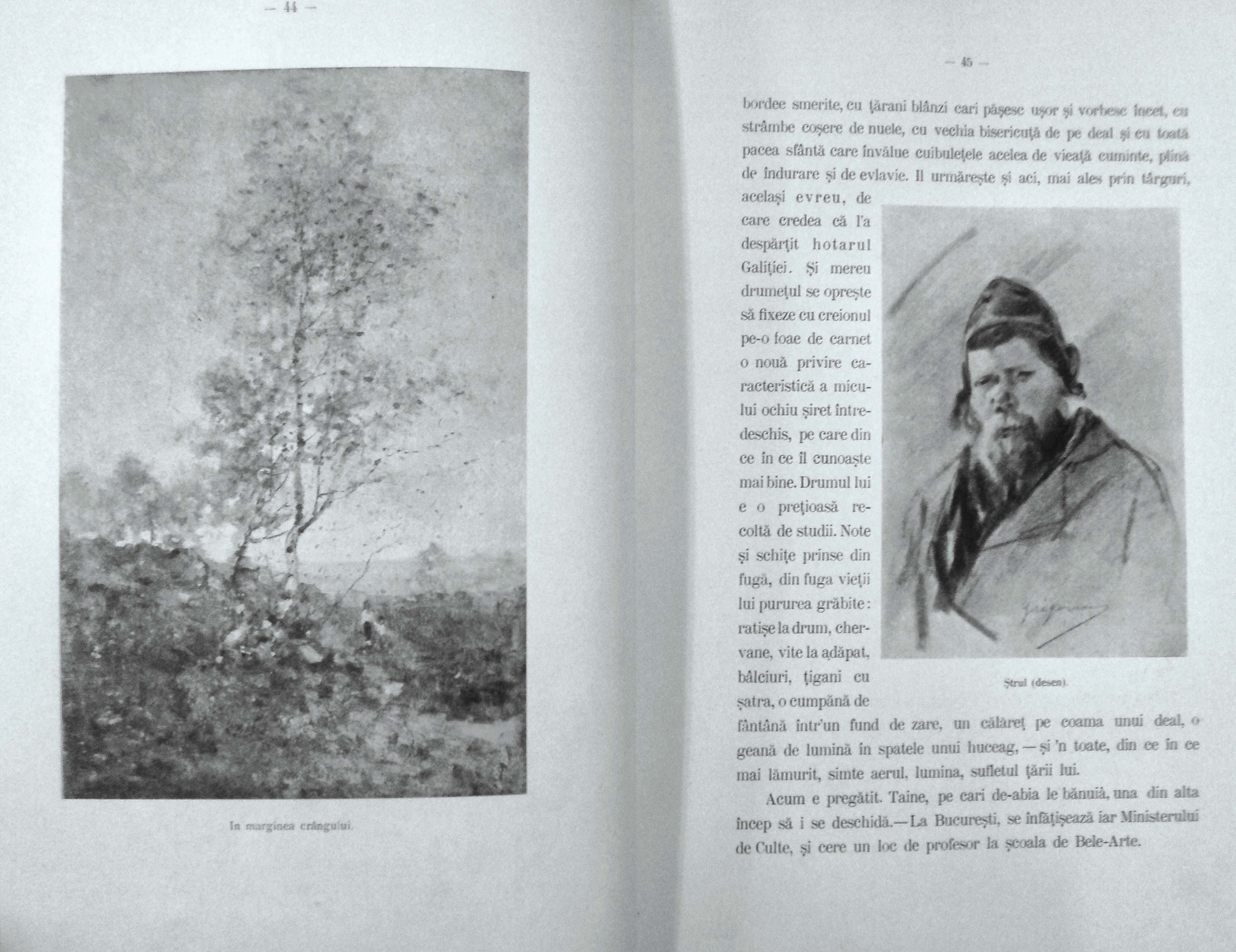
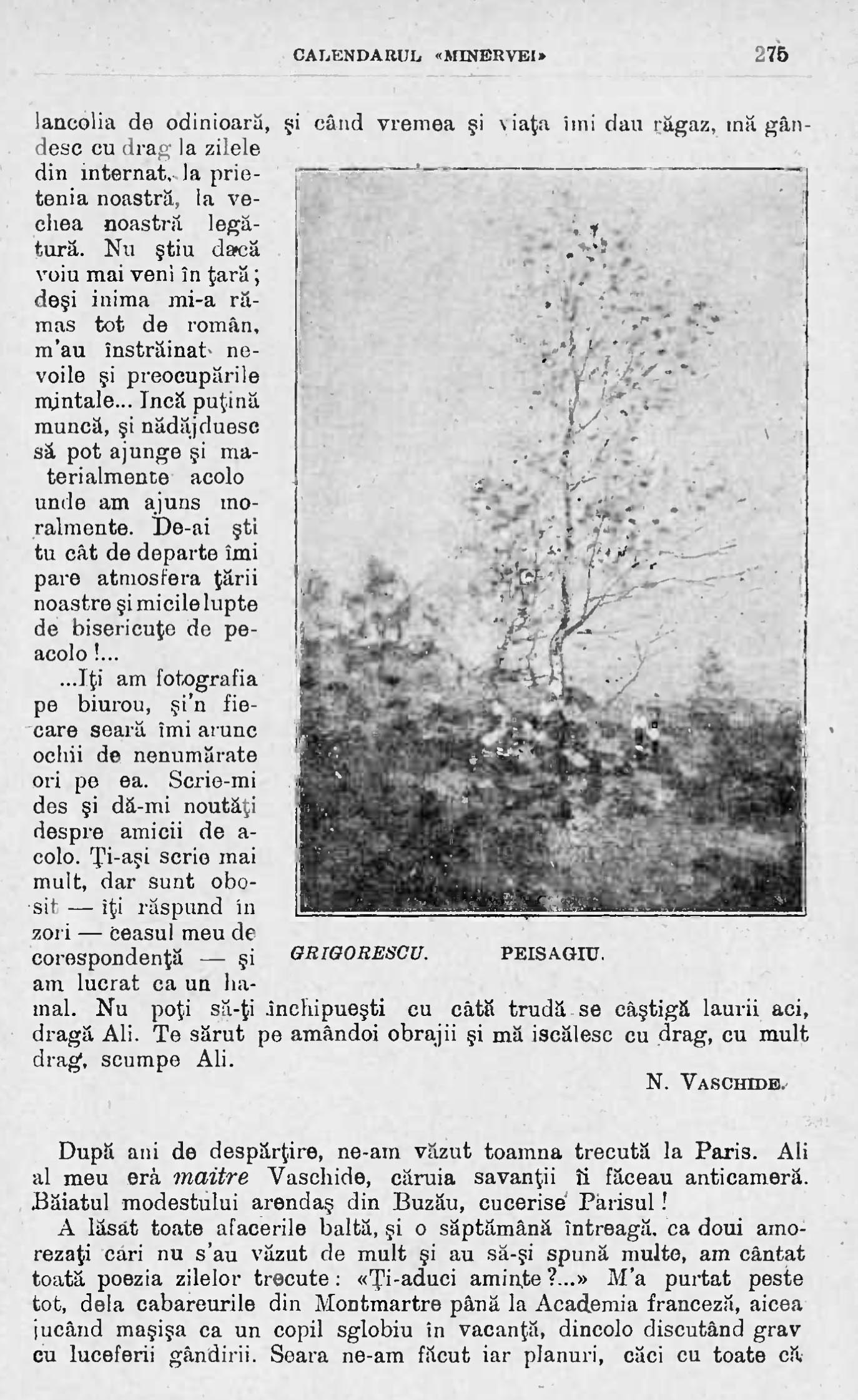
The artwork is reproduced in the monograph "ViaÈa Èi opera pictorului N. I. Grigorescu" ("The life and work of the painter N. I. Grigorescu"), Alexandru VlahuÈÄ, SOCEC, Bucharest, 1910 at p. 44, under the title "La marginea crângului" ("At the edge of the grove"). The artwork is reproduced in "N. Grigorescu", by Nicolae PetraÈcu, Bucovina Printing House, Bucharest, 1930, at cat. 68, p. 181, under the title "Ãn marginea crângului" ("At the edge of the grove"). The artwork is the first illustration in the volume "Poezii populare ale românilor" ("Folk poems of the Romanians") by Vasile Alecsandri, Casa Ècoalelor, Bucharest, 1942 at p. 32, under the title "La marginea dumbrÄvii" ("At the edge of the woods").
Izlasci
1885-1890
PODRIJETLO
the historical collection of banker Ernest Edmond Goodwin (1848-1931). Ernest Goodwin, a native Englishman and deputy director of the Banque de Roumanie, married to Maria (MiÈa) ÈuÈu, was known for the skill with which he assembled some of the master's best paintings, his collection competing in number and value with those of Eugeniu Carada and Alexandru VlahuÈÄ. Over a period of twenty years he purchased works by Grigorescu, which he chose after repeated visits to his studio and less frequently from exhibitions. At least until 1910 the work was in the collection of the banker, who after that year decided to sell it and return to the UK.
DODATNE INFORMACIJE
Za pojašnjenja u vezi s postupkom licitiranja, troškovima kupnje, uvjetima jamstva, plaćanja i preuzimanja osvojenog lota preporučujemo da pažljivo pročitate/ponovno pročitate Pravilnik o licitiranju.
Za dodatne informacije o lotu i aukciji kontaktirajte Odjel umjetničkih savjetnika.
Detalii
DODATNE INFORMACIJE
Za pojašnjenja u vezi s postupkom licitiranja, troškovima kupnje, uvjetima jamstva, plaćanja i preuzimanja osvojenog lota preporučujemo da pažljivo pročitate/ponovno pročitate Pravilnik o licitiranju.
Za dodatne informacije o lotu i aukciji kontaktirajte Odjel umjetničkih savjetnika.
Literatura
VLAHUȚĂ, Alexandru, "Pictorul Nicolae Grigorescu. Viața și opera lui" ("The painter Nicolae Grigorescu. His life and work"), Casa Școalelor Publishing House, Bucharest, 1910. VIDA, Mariana, "Grigorescu pictor al naturii=Grigorescu peintre de la nature: (1838-1907)", Publishing House of the Art Museum of the Socialist Republic of Romania, Bucharest, 2007.
Dimenzije
width 43 cm, height 62.5 cm
Opis
oil on canvas, signed bottom centred, with brown, "Grigorescu"
Informacije o istraživanju
The artwork is reproduced in the monograph "ViaÈa Èi opera pictorului N. I. Grigorescu" ("The life and work of the painter N. I. Grigorescu"), Alexandru VlahuÈÄ, SOCEC, Bucharest, 1910 at p. 44, under the title "La marginea crângului" ("At the edge of the grove"). The artwork is reproduced in "N. Grigorescu", by Nicolae PetraÈcu, Bucovina Printing House, Bucharest, 1930, at cat. 68, p. 181, under the title "Ãn marginea crângului" ("At the edge of the grove"). The artwork is the first illustration in the volume "Poezii populare ale românilor" ("Folk poems of the Romanians") by Vasile Alecsandri, Casa Ècoalelor, Bucharest, 1942 at p. 32, under the title "La marginea dumbrÄvii" ("At the edge of the woods").
Izlasci
1885-1890
PODRIJETLO
the historical collection of banker Ernest Edmond Goodwin (1848-1931). Ernest Goodwin, a native Englishman and deputy director of the Banque de Roumanie, married to Maria (MiÈa) ÈuÈu, was known for the skill with which he assembled some of the master's best paintings, his collection competing in number and value with those of Eugeniu Carada and Alexandru VlahuÈÄ. Over a period of twenty years he purchased works by Grigorescu, which he chose after repeated visits to his studio and less frequently from exhibitions. At least until 1910 the work was in the collection of the banker, who after that year decided to sell it and return to the UK.
Alternativni lotovi