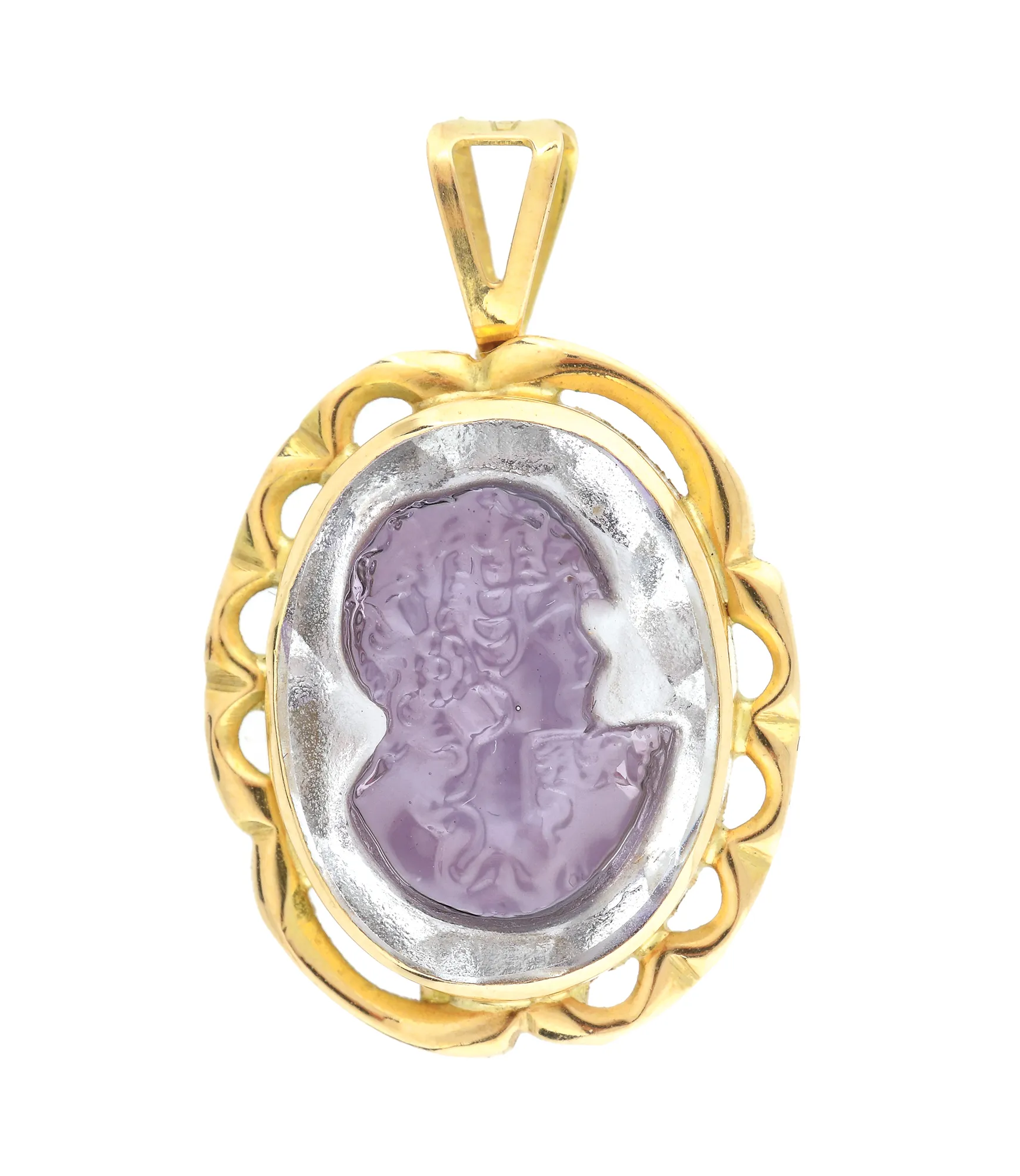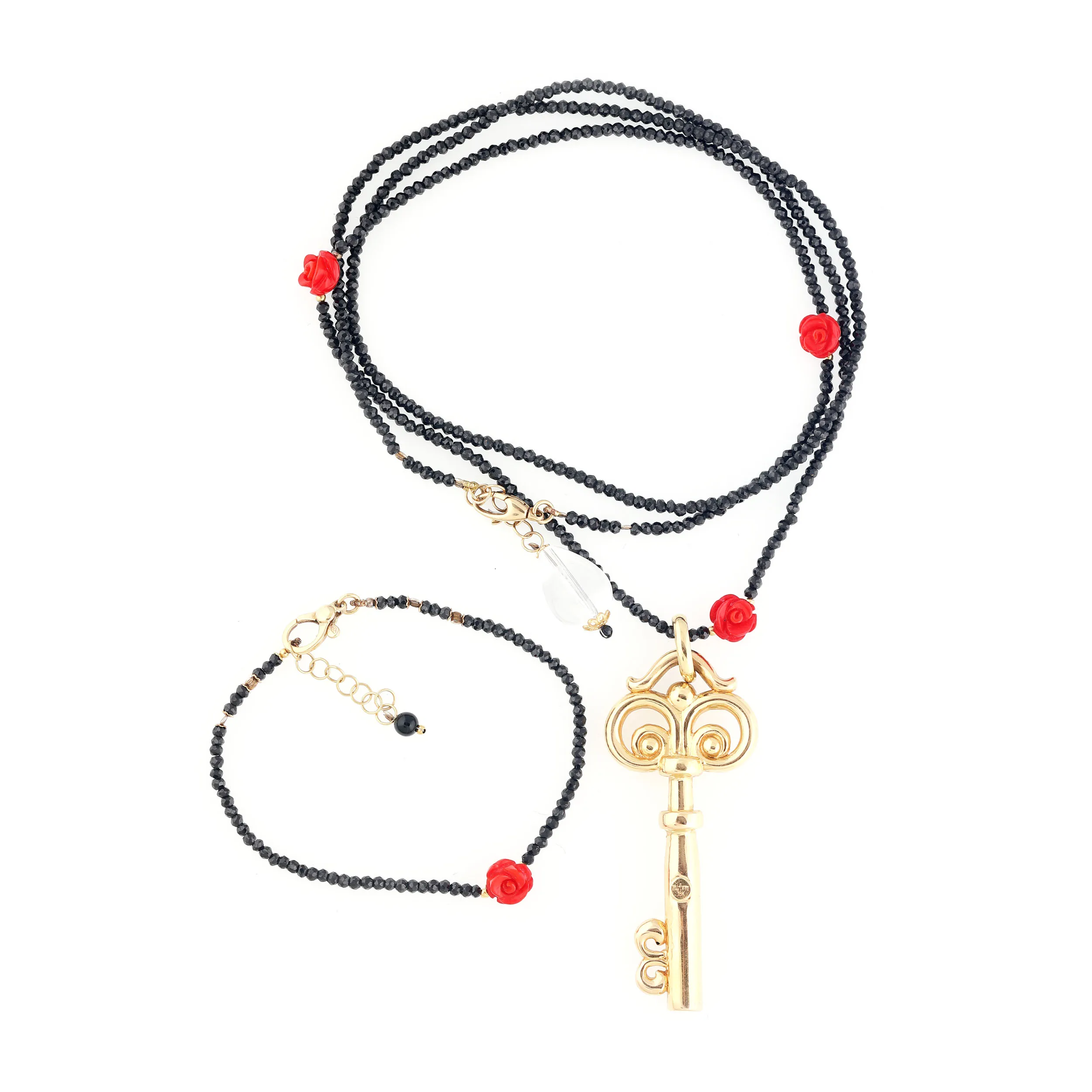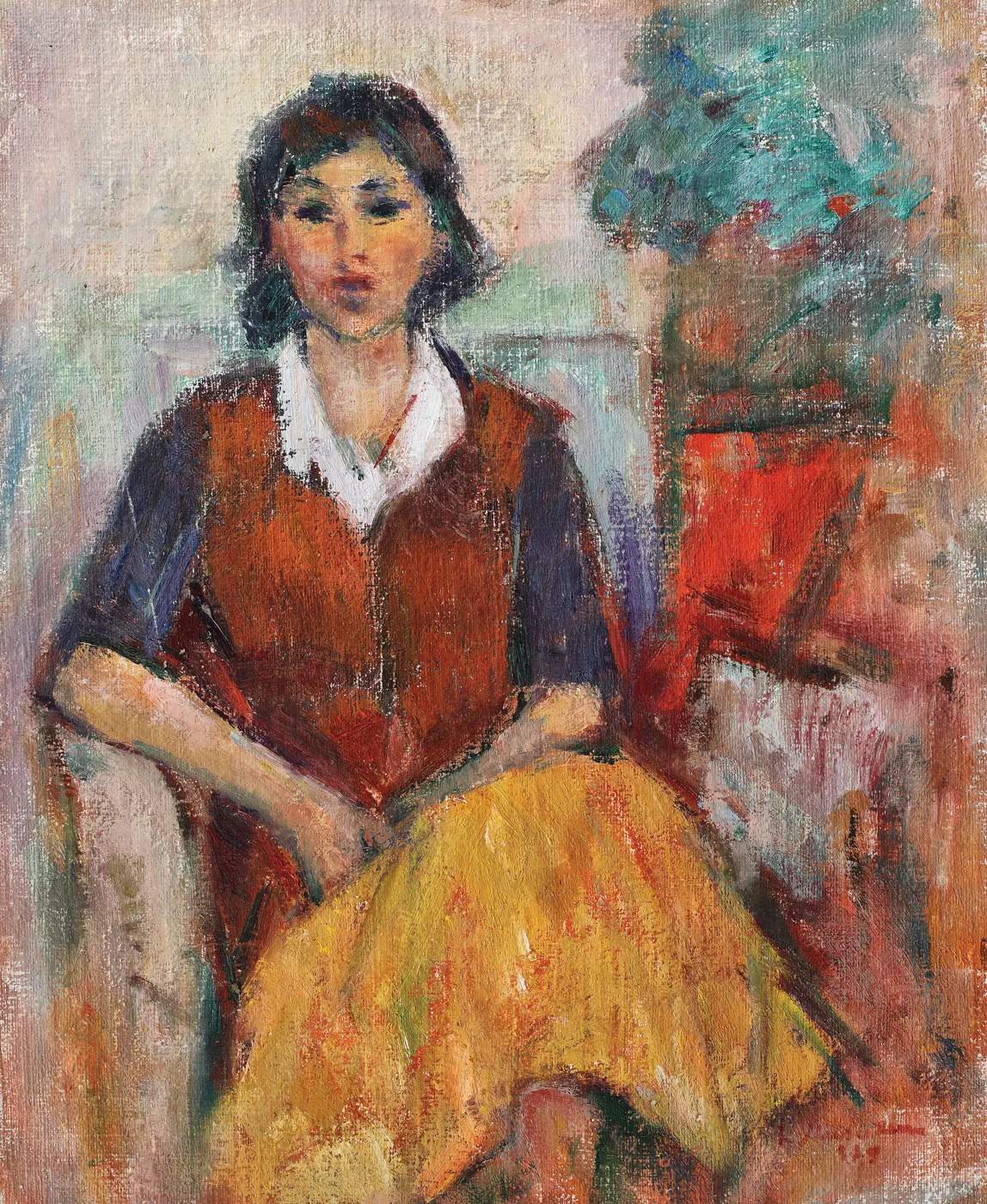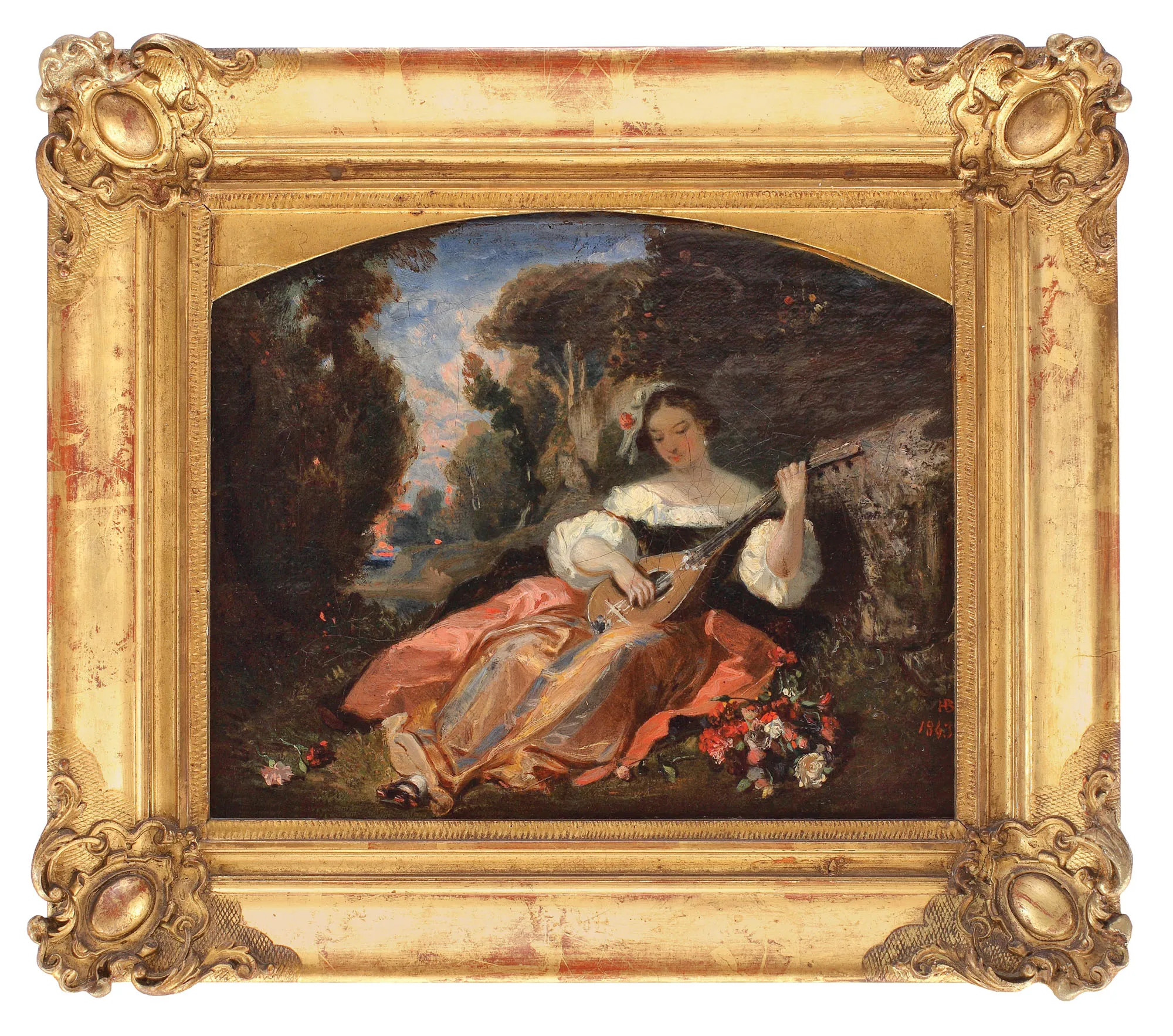


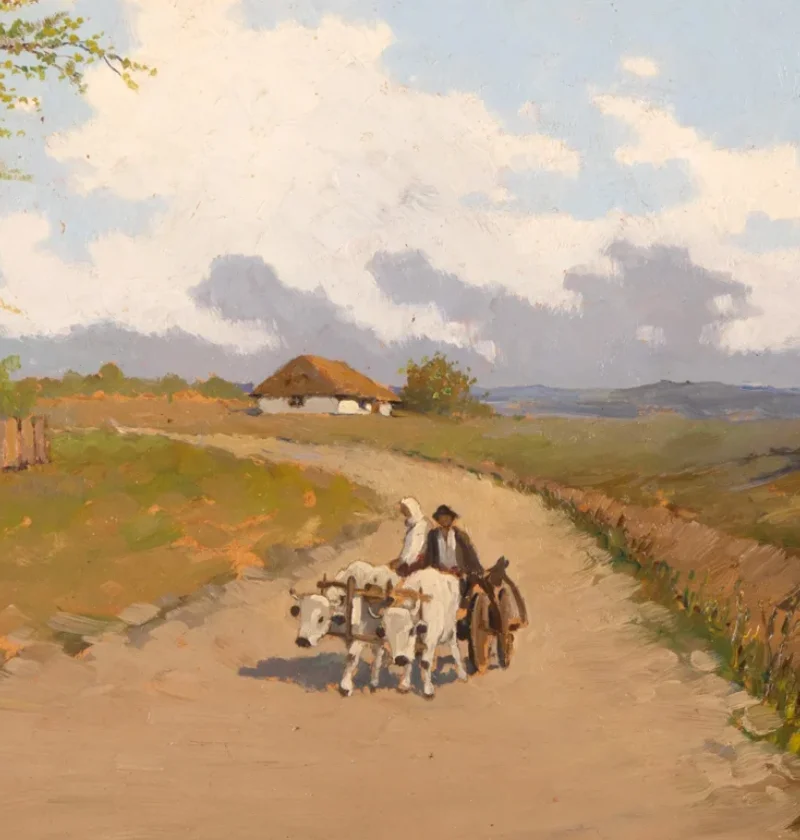
Fotografije parcele su informativne i indikativne te ne mogu pružiti vrlo detaljan prikaz objekta iz svih kutova. Preporučujemo pažljiv fizički pregled parcele prije licitiranja.
Rezső Bálint, of Hungarian origin, discovers his artistic calling from childhood. From only 13 years old, between 1898 and 1902, he studies graphic printing techniques, a moment he later recalls in old age: "A painter sets off". Despite aspiring to an artistic career from an early age, his path is strewn with difficulties and refusals, most famous being the painter Bertalan Székely's words, remembered verbatim by Bálint himself, "I do not recommend him to enter the career of a painter... better a shoemaker than a painter!"
Despite these discouragements, Bálint does not give up on his vocation. In these difficult years, he leaves the family comfort and, living with a friend, earns his living by painting postcards, continuing to look for a mentor. In 1907, Manó Vesztróczy was the one who teaches him to paint, and a year later, Ferenc Szablya-Frischauf gives him access to the KÉVE art society, where Bálint will be shaped in an academist spirit.
As a KÉVE member, Bálint achieves the artistic recognition he seeks. He participates in important exhibitions of the National Salon in Budapest in 1909, 1911, 1912, but also in international exhibitions in Berlin, Düsseldorf, Dresden and Vienna. In 1906, he also reaches the Free School of Painting in Baia Mare, where he regularly returns until 1911, attracting fame in our country as well. He spends a short period in Munich, then in 1910, he leaves for Paris, crucial experiences for his artistic evolution.
The impressionist and modernist influences assimilated during this period shape his chromatic sensitivity and preference for compositions with wide lights, vibrant atmospheres and firm contours. In Paris, he lives in Montparnasse, shares the studio with Amedeo Modigliani, and participates in group exhibitions alongside artists such as Alexander Archipenko and Charles Freegrove-Windzer. His experience at the Grande Chaumière Academy between 1910 and 1912, consolidates his liberal technique free from academist constraints, favoring early modernism. After 1920 he settles in Izbég-Szentendre, near Budapest, where he paints landscapes, interiors and everyday scenes. Today, three of his paintings, "Mother and her Child", "Interior", "Hospital Scene", are at the National Gallery in Hungary. (L.M.)
Dimenzije
width 46 cm, height 39 cm
Opis
oil on canvas, signed lower left, in black, "Balint R."
DODATNE INFORMACIJE
Za pojašnjenja u vezi s postupkom licitiranja, troškovima kupnje, uvjetima jamstva, plaćanja i preuzimanja osvojenog lota preporučujemo da pažljivo pročitate/ponovno pročitate Pravilnik o licitiranju.
Rezső Bálint, of Hungarian origin, discovers his artistic calling from childhood. From only 13 years old, between 1898 and 1902, he studies graphic printing techniques, a moment he later recalls in old age: "A painter sets off". Despite aspiring to an artistic career from an early age, his path is strewn with difficulties and refusals, most famous being the painter Bertalan Székely's words, remembered verbatim by Bálint himself, "I do not recommend him to enter the career of a painter... better a shoemaker than a painter!"
Despite these discouragements, Bálint does not give up on his vocation. In these difficult years, he leaves the family comfort and, living with a friend, earns his living by painting postcards, continuing to look for a mentor. In 1907, Manó Vesztróczy was the one who teaches him to paint, and a year later, Ferenc Szablya-Frischauf gives him access to the KÉVE art society, where Bálint will be shaped in an academist spirit.
As a KÉVE member, Bálint achieves the artistic recognition he seeks. He participates in important exhibitions of the National Salon in Budapest in 1909, 1911, 1912, but also in international exhibitions in Berlin, Düsseldorf, Dresden and Vienna. In 1906, he also reaches the Free School of Painting in Baia Mare, where he regularly returns until 1911, attracting fame in our country as well. He spends a short period in Munich, then in 1910, he leaves for Paris, crucial experiences for his artistic evolution.
The impressionist and modernist influences assimilated during this period shape his chromatic sensitivity and preference for compositions with wide lights, vibrant atmospheres and firm contours. In Paris, he lives in Montparnasse, shares the studio with Amedeo Modigliani, and participates in group exhibitions alongside artists such as Alexander Archipenko and Charles Freegrove-Windzer. His experience at the Grande Chaumière Academy between 1910 and 1912, consolidates his liberal technique free from academist constraints, favoring early modernism. After 1920 he settles in Izbég-Szentendre, near Budapest, where he paints landscapes, interiors and everyday scenes. Today, three of his paintings, "Mother and her Child", "Interior", "Hospital Scene", are at the National Gallery in Hungary. (L.M.)
DODATNE INFORMACIJE
Za pojašnjenja u vezi s postupkom licitiranja, troškovima kupnje, uvjetima jamstva, plaćanja i preuzimanja osvojenog lota preporučujemo da pažljivo pročitate/ponovno pročitate Pravilnik o licitiranju.